
It's Time To Expand Your Island Extractor Hood Options
페이지 정보
작성일 25-05-20 19:57 조회 32회 댓글 0
본문
Understanding Island Extractor Hoods: A Comprehensive Guide
In modern-day kitchen areas, the role of an extractor hood, particularly the island extractor hood, can not be overstated. These home appliances not just boost the aesthetics of a kitchen but also play an important role in preserving air quality. In this short article, we will explore what island extractors are, their benefits, types, setup factors to consider, maintenance pointers, and answer some regularly asked concerns to assist home cooks and property owners in making informed decisions.
What is an Island Extractor Hood?
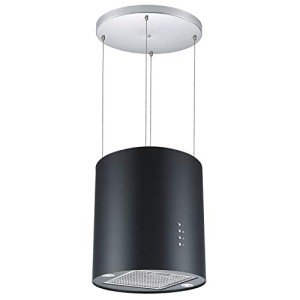
An island extractor hood, likewise referred to as an island cooker hood uk range hood, is a type of ventilation system that is suspended above a kitchen island cooktop, where cooking takes location. Unlike traditional wall-mounted hoods, which are affixed to walls, island hoods hang from the ceiling, supplying unblocked views and making sure effective ventilation for all types of cooking activities.
Benefits of Island Extractor Hoods
island chimney hood Extractor hoods (http://www.1V34.com) provide a wide range of advantages:
- Enhanced Air Quality: They effectively remove smoke, steam, and cooking odors, Island Extractor Hoods promoting a healthier kitchen environment.
- Aesthetic Appeal: Available in various designs and finishes, island hoods can work as a sensational focal point in open-concept cooking areas.
- Flexibility: Many designs feature flexible ventilation options, accommodating both ducted and ductless setups.
- Noise Reduction: Advanced innovation in modern-day extractor hoods often decreases operational noise, enabling an enjoyable cooking experience.
- Lighting: Many island hoods are geared up with built-in lights that light up the cooking location, boosting presence during meal preparation.
Types of Island Extractor Hoods
When picking an island extractor hood, you will experience several types. Here's a short overview:
| Type | Description |
|---|---|
| Ducted | Ventilation system that needs ductwork to funnel air outside the house. |
| Ductless | Utilizes filters to clean up the air before recirculating it back into the kitchen; perfect for homes. |
| Convertible | Can work as both ducted and ductless, supplying versatility based on the kitchen design. |
| Integrated | Developed straight into cabinetry or lighting, providing a sleek, inconspicuous style. |
| Wall-mounted | Although not conventional island hoods, some wall-mounted hoods can be installed in a method that serves kitchen islands. |
Setup Considerations
When installing an island extractor hood, there are a number of crucial elements to think about:
- Height: The hood ought to be installed at a height of 28 to 30 inches above the cooktop to successfully capture smoke and odors.
- Ventilation: Ensure appropriate ducting is readily available if opting for a ducted model, particularly in homes with complicated designs.
- Air flow Capacity: Choose a hood with enough CFM (cubic feet per minute) score to suit the cooking device. As a guideline of thumb, increase the BTUs of your cooktop by 1.5 to determine the needed CFM.
- Power Supply: Verify that electrical circuitry meets the hood's operational requirements. Speak with a service technician if adjustment is needed.
Maintenance Tips for Island Extractor Hoods
Correct maintenance guarantees the durability and island cooker hood black performance of your island extractor fan kitchen island hood. Follow these suggestions:
- Regular Cleaning: Clean the outside surfaces and the grease filters month-to-month. The majority of filters can be washed in warm, soapy water.
- Check Light Fixtures: Inspect and change bulbs as needed to make sure the cooking area is well-lit.
- Examine for Duct Blockages: If utilizing a ducted system, periodically examine ducts for clogs to guarantee optimal air flow.
- Monitor Noise Levels: If your hood starts to make unusual sounds, check for loose parts or particles within the unit.
- Arrange Professional Maintenance: Consider having an expert inspect and service your hood every year to address any possible issues.
FAQs
What is the perfect CFM for an island extractor hood?
The ideal CFM depends on your cooktop's BTU. For a lot of home cooking, a variety of 600 to 1200 CFM is suggested, depending upon the intensity of your cooking routines.
Can I set up an island extractor hood myself?
While DIY setup is possible for those with experience, having a professional install your island hood is advisable to ensure optimum functionality and security.
Are ductless island extractor hoods efficient?
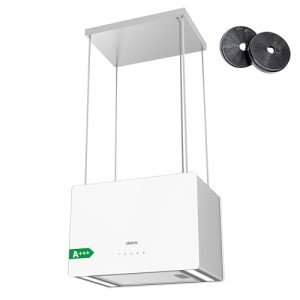
Ductless hoods can be effective in removing smoke and smells when geared up with premium filters, but they might not be as effective as ducted versions in ventilating hot air.
How typically should I change the filters?
For ductless designs, it is suggested to replace the filters every 6 months to a year, depending on usage. Constantly refer to the manufacturer's guidelines for specifics.
Island extractor hoods raise both the performance and aesthetic appeal of modern kitchens. With various types, setup alternatives, and Island extractor hoods upkeep ideas, homeowners can find the perfect option to fit their cooking needs and style choices. By buying a quality island extractor hood, one not just boosts their cooking environment but also promotes a much healthier home. As you navigate alternatives, remember to consider your kitchen design and cooking habits to choose a hood that completely matches your cooking lifestyle.
댓글목록
등록된 댓글이 없습니다.