
Swedish Driving License Test: The Good, The Bad, And The Ugly
페이지 정보
작성일 26-06-17 21:25 조회 4회 댓글 0
본문
Navigating the Swedish Driving License Test: A Complete Guide
Obtaining a driving license in Sweden represents a substantial milestone for many residents, whether they are newly gotten here immigrants, young people starting self-reliance, or seasoned drivers seeking to transfer their existing credentials. The Swedish driving license system stands among the most structured and extensive in Europe, created to ensure that every licensed motorist has not only technical skills but also a deep understanding of traffic safety, ecological considerations, and responsible roadway habits. While the process might appear requiring compared to some other countries, this strenuous technique contributes to Sweden's impressively low traffic death rates and its reputation for producing highly skilled chauffeurs.
Comprehending the total pathway to a Swedish driving license requires acquaint yourself with numerous parts, from initial training requirements to the final practical assessment. This guide checks out every aspect of the Swedish driving license test, offering prospective chauffeurs with the knowledge they require to approach this journey with self-confidence.
Understanding the Swedish Driving License System
Sweden operates a finished licensing system that progressively constructs driver competence through structured training and assessment. Unlike some nations where a basic written test followed by a brief roadway examination is enough, Swedish authorities need candidates to demonstrate proficiency throughout numerous driving scenarios, theoretical knowledge, and hazard understanding. The system shows Sweden's wider approach that driving advantages carry substantial duty towards public security.
The Swedish Transport Administration, referred to as Transportstyrelsen, supervises the licensing system throughout the nation. This agency establishes the requirements, approves driving schools, administers the theoretical assessments at main test centers, and collaborates with examiner organizations for practical assessments. Understanding that Transportstyrelsen preserves rigid standards helps candidates value why the Swedish license carries global regard and recognition across nearly all nations worldwide.
Candidates need to meet a number of requirements before undertaking the official testing procedure. Candidates should be at least sixteen years of age for a moped license and eighteen for a standard passenger vehicle license. People need to hold a legitimate identity file, usually a Swedish individuality number or a coordination number for recent arrivals. Health requirements consist of great vision conference particular requirements and the absence of medical conditions that might hinder safe driving.
Types of Driving Licenses in Sweden
The Swedish licensing system categorizes automobiles into distinct license classes, each with particular requirements and constraints. Understanding these categories assists candidates pursue the suitable license for their desired automobile usage.
| License Type | Minimum Age | Lorry Description | Validity Period |
|---|---|---|---|
| AM | 15 | Light moped (max 50cc, Svenskt KöRkort För Utlänningar 45 km/h) | 10 years |
| A1 | 16 | Light bike (as much as 125cc) | Lifetime (with medical review after 50) |
| A | 20 | Standard motorbike | Life time (with medical review after 50) |
| B | 18 | Passenger automobile up to 3,500 kg | Lifetime (with medical review after 50) |
| BE | 18 | Vehicle with trailer over 750kg | Life time |
| C | 21 | Trucks over 3,500 kg | 5 years with medical certificate |
| D | 23 | Buses carrying more than 8 passengers | 5 years with medical certificate |
The B license, licensing the operation of basic traveler lorries, represents the most commonly looked for classification. This license allows driving automobiles, SUVs, and light vans, making it vital for day-to-day transport requirements. The advantages extend to hauling trailers weighing up to 750 kgs, though additional recommendations exist for much heavier loads.
The Theory Test: Demonstrating Knowledge and Judgment
Before any candidate may run a vehicle on public roadways under examination conditions, Transportstyrelsen requires effective conclusion of the theoretical examination. This computerized test assesses understanding across several domains critical to safe and accountable driving.
The theory test comprises multiple-choice concerns drawn from an extensive concern bank, with prospects dealing with forty-three questions per evaluation. A minimum of thirty-two right responses is required for passing, indicating candidates might miss approximately eleven concerns while still attaining success. However, particular concern classifications carry "knock-out" status-- inaccurate responses on these crucial products instantly lead to failure no matter total performance. These knockout questions normally deal with essential security principles, such as recognizing the threats of impaired driving or comprehending right-of-way rules at intersections.
Preparation for the theory test requires methodical study of Swedish traffic regulations, roadway signs, and driving theory. Authorities research study products, offered through approved driving schools and Transportstyrelsen's online platforms, cover subjects consisting of speed limits and their reasoning, alcohol and drug problems impacts, environmental considerations such as eco-driving techniques, fatigue and diversion avoidance, and interaction with vulnerable road users consisting of pedestrians, test för svenskt Körkort cyclists, and motorcyclists.
The evaluation environment at official test centers utilizes advanced confirmation procedures including identity confirmation and biometric checks to avoid cheating. Candidates receive immediate outcomes following completion, with passing prospects getting documents licensing development to practical training phases.
The Practical Driving Test: Proving Road Competence
The useful driving test represents the most tough component of the Swedish licensing process, needing prospects to show safe vehicle operation throughout varied roadway and traffic conditions. This evaluation, carried out by authorized independent examiners, normally spans thirty to forty-five minutes and includes several examination parts.
Before the roadway examination starts, candidates go through an automobile safety examination lasting approximately ten minutes. Examiners present situations requiring candidates to recognize safety issues such as tire damage, fluid leaks, or lighting failures. This component evaluates whether motorists comprehend routine lorry maintenance and can recognize conditions that would make operation risky.
The road evaluation exposes candidates to varied driving scenarios including domestic locations with intricate crossways, highway driving requiring lane modifications and combining, metropolitan environments with rush hour and public transportation considerations, and rural roads evaluating automobile control on varying surfaces. Inspectors assess not merely whether prospects can run the vehicle but whether they show suitable judgment, prepare for prospective dangers, and maintain factor to consider for other roadway users.
Throughout the useful test, inspectors evaluate particular competency locations consisting of observation skills, automobile positioning, speed management, signaling habits, and response to risks. A single serious error or accumulation of small mistakes leads to failure. Prospects who stop working get detailed feedback determining locations needing enhancement before a subsequent attempt.
Preparation Requirements and Training Options
Swedish regulations mandate conclusion of mandatory training components before candidates might arrange their theory and useful examinations. These requirements ensure standardized minimum preparation regardless of which training supplier candidates select.
Mandatory training consists of risk education coursework resolving alcohol and drug impacts, fatigue, and threat understanding through both class direction and useful workouts. Emergency treatment training, requiring accreditation, makes sure drivers possess basic understanding of emergency situation action treatments. This compulsory curriculum amounts to roughly twelve hours of instruction, though most candidates need considerably more training to accomplish assessment preparedness.
Prospects might choose between training through Traffic School Sweden (Trafikskolan) associated trainers or licensing independent driving schools. Both alternatives deliver identical curriculum material, though organizational approaches and scheduling flexibility may differ. Many prospects require in between twenty and forty hours of practical driving guideline depending upon specific ability and previous experience. Those with comprehensive previous driving experience, whether from international licenses or informal practice, may need fewer extra hours after completing compulsory parts.
Associated Costs and Financial Planning
Obtaining a Swedish driving license includes numerous expenditure classifications that candidates must think about during financial planning. While exact expenses vary based on individual circumstances, training supplier selection, and geographic area, comprehending typical expenditure varies helps candidates budget plan properly.
| Expense Category | Common Range (SEK) | Notes |
|---|---|---|
| Theory Test Fee | 325-400 | Payable to Transportstyrelsen |
| Dry Run Fee | 800-1,000 | Payable to evaluation organization |
| Compulsory Training | 3,000-5,000 | Consists of risk education and emergency treatment |
| Driving Instruction | 600-1,000/ hour | 20-40 hours typically needed |
| Research study Materials | 500-1,500 | Books, online resources, practice tests |
| Car Rental (Test Day) | 1,500-3,000 | If using school vehicle for KöP KöRkort Sverige assessment |
The majority of candidates should expect overall expenditures in between 15,000 and 30,000 Swedish kronor for acquiring a standard B license. Those needing extra instruction due to anxiety, prior failed efforts, or limited preliminary experience should budget towards the greater range. While substantial, these financial investments produce a lifetime property and necessary life ability.
Tips for Examination Success
Prospects who approach their Swedish driving license tests with thorough preparation and suitable state of mind consistently accomplish better results than those trying rushed techniques. Numerous concepts add to examination success throughout both theory and practical parts.
For theory test preparation, completing comprehensive practice assessments familiarizes candidates with question formats and builds confidence in understanding retrieval under time pressure. Numerous candidates find that evaluating inaccurate responses from practice tests reveals understanding gaps requiring additional research study. Understanding the thinking behind appropriate responses proves more important than remembering private concerns, as the real evaluation draws from a much bigger concern pool.
Dry run success depends mainly on establishing great practices during initial training and preserving them throughout direction. Trainers who determine and Svenskt Körkort Till Salu fix small issues before they become deep-rooted patterns produce much better assessment prospects. Candidates need to ask for specific feedback after each lesson and actively work on recognized weaknesses rather than focusing specifically on scenarios they find comfortable.
Regularly Asked Questions
Can I drive in Sweden with a foreign driving license?
Visitors and brand-new residents may drive in Sweden utilizing valid foreign licenses for up to one year from establishing residency. Licenses from EU/EEA nations remain legitimate indefinitely, while licenses from other nations need Swedish translation and may need conversion depending on bilateral contracts. Those with licenses not recognized for direct exchange must go through the full Swedish testing process.
The number of times can I fail the driving test before retaking obligatory training?
Swedish policies currently enable endless evaluation attempts without needing extra compulsory training. Nevertheless, candidates who build up multiple failures usually gain from additional instruction dealing with identified weak points. Driving schools frequently provide specialized preparation courses for repeat test-takers attending to typical failure causes.
What takes place if I fail the useful driving test?
Prospects who fail receive detailed written feedback determining specific competency locations needing enhancement. This feedback guides subsequent training focus. A new evaluation visit may be scheduled after completing additional practice resolving determined weaknesses, without any obligatory waiting period needed in between attempts.
Is the Swedish driving test carried out in English?
Theory tests are offered in multiple languages consisting of English, though candidates need to define their language choice when scheduling. Practical driving tests are carried out using a mix of the candidate's selected language and standardized driving terms. Inspectors communicate instructions clearly, and candidates might request English-language inspectors when readily available.
For how long is the Swedish driving license valid?
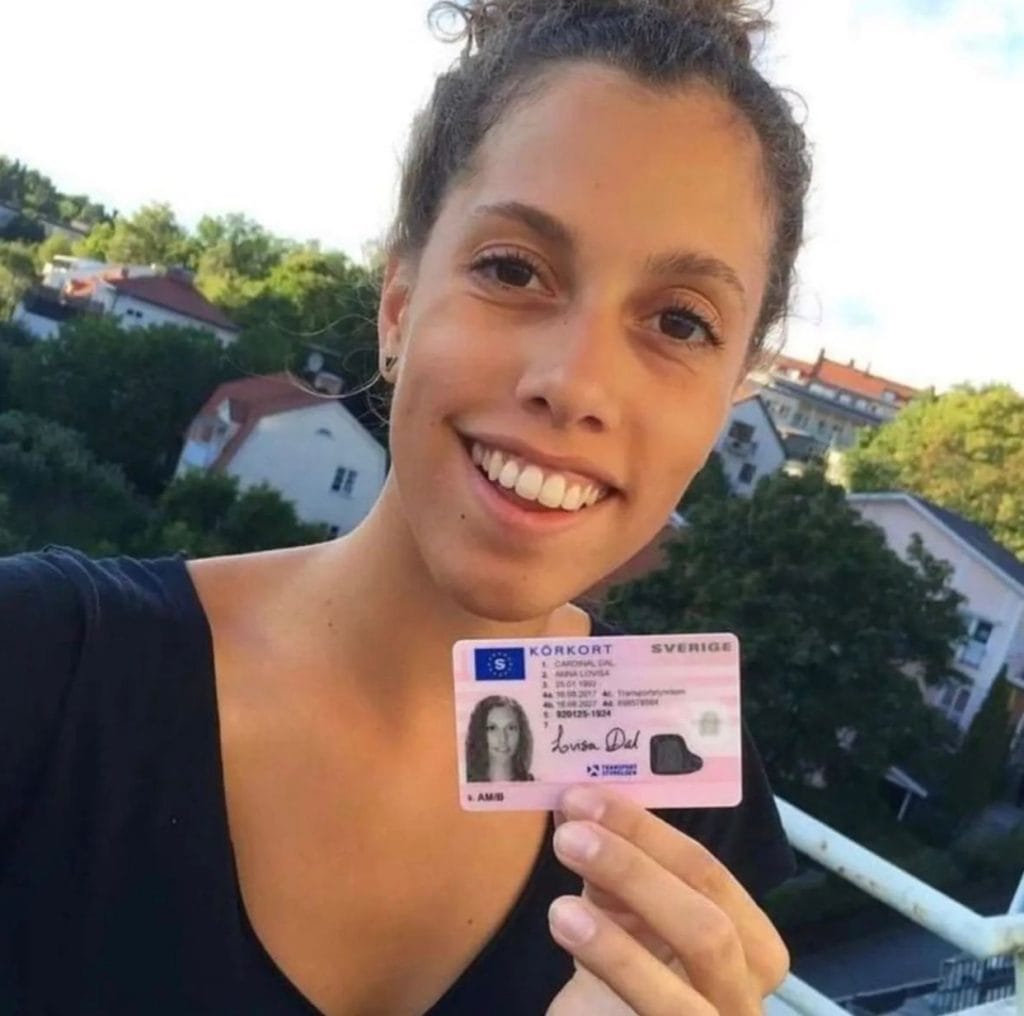
Most Swedish licenses issued after 2013 remain legitimate for life time, though holders must go through medical reviews at ages fifty, sixty, and seventy for categories A, A1, and B. Commercial licenses (C and D categories) need medical accreditation renewal every 5 years despite age.
The journey toward acquiring a Swedish driving license needs dedication, perseverance, and commitment to establishing authentic proficiency rather than simple test-taking ability. While the procedure involves considerable investment of time and resources, the resulting license represents not just a legal authorization to drive but demonstrated capability to run lorries securely among a few of the world's most diligent roadway users. Prospects who approach this journey with proper respect for its requirements, who invest completely in preparation, and who keep persistence through inescapable obstacles place themselves not merely to pass examinations however to end up being truly proficient chauffeurs deserving of the advantages that accompany Swedish licensure.
댓글목록
등록된 댓글이 없습니다.