
Why You'll Definitely Want To Learn More About Multi Burner Stove
페이지 정보
작성자 Bobby Mobley
작성일 23-11-06 20:15 조회 13회 댓글 0
작성일 23-11-06 20:15 조회 13회 댓글 0
본문
What is a Multi Burner Stove?
A multi-burner stove is designed to burn different fuel types. They create a controlled environment to allow different types of smokeless and wood fuels to burn to create heat.
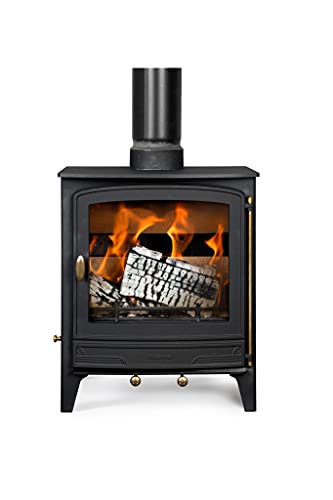 They have a firebox into which the fuel is inserted and ignited, a door to access it with a glass door and air vents that allow you to moderate the stove's air supply while controlling how quickly the fire burns.
Adjustable Flame
A lot of multi fuel stoves come with an adjustable flame height control. This is a fantastic feature for cooking and heating your stove at the same time. You can adjust the heat to your preferences, and cook/heat your food more efficiently. Most multi-fuel stoves have an air vent that is built into the back of the stove. This allows you to keep the fire burning even after you've finished cooking. It can also be used to eliminate all noxious gasses.
In contrast to Wood burning Stoves that are only compatible with logs, Multi Fuel Stoves permit the use of any solid fuel that is combustible, such as coal, peat etc in addition to seasoned wood logs. Coal is being eliminated gradually since it isn't suitable in smoke control areas, and can produce more harmful gases than seasoned wood.
To light a fire in a multi fuel stove simply open the door and place some fire lighters or paper amid dry twigs and dry kindling on the grill. Then, light the firelighters or paper and wait for the kindling to light. Once the kindling has caught flame, you can add the kiln dried logs to the top of the kindling, allowing you to create a fire bed that will help your logs burn more efficiently.
A good quality Multi fuel stove will feature a grate carrier frame and ash pan so you can remove the ash from your stove without opening the door. Some modern stoves come with a built-in grate carrier frame that is designed to improve the combustion of your logs by allowing more air to move through the stove when the logs are in a fire bed and burning.
If you plan to backpack or camp with your multi-burner stove, it is a good idea to choose one that has an advanced pot support design, such as the MSR PocketRocket 2 and Jetboil MiniMo which are able to better endure the elements of wind. Non-integrated containers leave more of the fire exposed. The MSR PocketRocket 2 and the more recent MSR WindMaster have a unique pot support that clamps on to the side of the stove to improve performance during windy conditions.
Adjustable Airflow
Multi fuel stoves are able to regulate the airflow to ensure that the fire is burning at a high rate. The stove can produce heat efficiently, and the space is not cluttered with fumes or waste gases. It also permits the stove to work with different kinds of fuel, such as coal. This is important because some solid fuels can't be used in smoke control areas, and others are dirtier or more expensive than wood.
In contrast to wood burning stoves that are typically constructed with a static grate or riddling grate system, multi-fuel stoves come with an integrated raised riddling grate which allows combustion air to flow under the fuel, and make it simple to remove ash from the ash pan. Many of our multi fuel stoves also include a number of innovative technologies including Cleanburn and Airwash, which help to ensure that the stove is running at its optimal level for each kind of fuel.
Modern multi fuel stoves can be adjusted by using the secondary and primary air controls. You can choose to operate them manually or automatically. The adjustable airflow feature allows you to control how much secondary and first air is delivered to your stove. This will ensure that the stove is burning at its most efficient level for the type of fuel you use.
To optimize the performance of your multi fuel stove, it's recommended to select kiln dried wood that have a low moisture content. Keep the stove in good shape and add small amounts of fuel to the fire frequently. Don't shut off the air supply completely but this could cause a vortex that sucks unburned volatile compounds back into the fire. Instead, try to leave the door to the stove open to a point that's comfortable for you and only add wood only when it's visible through the glass pane. When you add a log to the stove, it should be placed horizontally on the glowing embers, so that it doesn't touch the side of the stove or the bottom of the grate bars.
Adjustable Temperature
If you're looking to have the option of burning a variety of different fuels, then a multi burner stove may be the right option for you. A multifuel stove is capable of burning wood logs peat briquettes, turf briquettes and peat along with anthracite and other smokeless fuels. You can now have an array of heat sources and save time and money by not having to buy and transport various types of fuel.
Many wood burning stoves feature primary, secondary and occasionally tertiary air vents to help regulate the flame's pattern and improve efficiency. These air vents allow the stove to be adjusted to a specific type of fuel and achieve optimum heat output. This is especially useful as the cost of different fuels can be very different.
You can also make use of a multifuel stove to heat water systems for domestic use. This will allow you to provide hot water to your home. Some models can even be used as boilers to heat the tank of hot water to be used by household. This way, you can make your home warm and cozy without having to turn on your central heating system.
The main distinction between a multi-fuel stove as well as a log burner is the latter's ability to only burn wood logs. If you want to make use of a wood stove to burn other solid fuels, it is likely that you'll need a special grate as they do not burn like logs.
Multifuel stoves feature a metal grate at the base of the fire chamber which allows air to flow from below to keep the flame going. This is because coal, for instance, needs lots of combustion air to stay burning. Therefore, multifuel stoves tend to be fitted with a riddler which can be removed and emptied while the fire is still burning to avoid a accumulation of ash that blocks the flow of air.
Cleanburn
A multi fuel stove is great because it can burn smokeless coal, wood and even some mineral fuels. It is crucial to select a high-quality wood or fireplaces and Stove wood pellet that has been properly seasoned and kiln dried to below 20% moisture content.
When wood is heated, the gases and particles that have built in the wood throughout its lifespan are released. Older wood stoves and Fireplaces And Stove release a large amount of these up the chimney along with the heat, resulting in a low efficiency and poor air quality inside. New stoves that use Cleanburn technology efficiently burn these gases and particles. This technology reduces emissions, enhances combustion efficiency and lowers flue gas temperatures.
At Jotul we have high-level climate goals and that's why all of our wood-burning stoves are built with cleanburn technology. We have also developed our own Cleanburn additive that makes your stove burn more cleanly and reduces the amount of soot that builds up on the walls of your firebox and stove glass, particularly when you use higher moisture content wood or fuels that are softer, such as softwood.
A stove that has cleanburn technology is essential for anyone who uses wood as their main source for heating. It is a great way to improve the air quality in your home. If you reside in a city or town that is designated as a smokeless zone, then switching to a stove that is cleaner burning will allow you to stay within the strict limits of these rules and help those suffering from asthma and other respiratory problems.
Our multi fuel stoves with cleanburn technology come with secondary air and a pre-heated tertiary system and a plain steel or vermiculite stove base to ensure optimal combustion. The tertiary air system that is pre-heated which is usually only found on the highest end stoves, helps prevent soot and ash sticking to the glass of the stove and permits more gases produced during combustion to be burned.
The Cleanburn additive from Jotul can be used in conjunction with the pre-heated tertiary air-system to enhance your stove's combustion performance further and is a great way to achieve an efficient, cleaner carbon neutral flame as well as reduce soot deposits on the firebox's inner wall of your stove.
A multi-burner stove is designed to burn different fuel types. They create a controlled environment to allow different types of smokeless and wood fuels to burn to create heat.
They have a firebox into which the fuel is inserted and ignited, a door to access it with a glass door and air vents that allow you to moderate the stove's air supply while controlling how quickly the fire burns.Adjustable Flame
A lot of multi fuel stoves come with an adjustable flame height control. This is a fantastic feature for cooking and heating your stove at the same time. You can adjust the heat to your preferences, and cook/heat your food more efficiently. Most multi-fuel stoves have an air vent that is built into the back of the stove. This allows you to keep the fire burning even after you've finished cooking. It can also be used to eliminate all noxious gasses.
In contrast to Wood burning Stoves that are only compatible with logs, Multi Fuel Stoves permit the use of any solid fuel that is combustible, such as coal, peat etc in addition to seasoned wood logs. Coal is being eliminated gradually since it isn't suitable in smoke control areas, and can produce more harmful gases than seasoned wood.
To light a fire in a multi fuel stove simply open the door and place some fire lighters or paper amid dry twigs and dry kindling on the grill. Then, light the firelighters or paper and wait for the kindling to light. Once the kindling has caught flame, you can add the kiln dried logs to the top of the kindling, allowing you to create a fire bed that will help your logs burn more efficiently.
A good quality Multi fuel stove will feature a grate carrier frame and ash pan so you can remove the ash from your stove without opening the door. Some modern stoves come with a built-in grate carrier frame that is designed to improve the combustion of your logs by allowing more air to move through the stove when the logs are in a fire bed and burning.
If you plan to backpack or camp with your multi-burner stove, it is a good idea to choose one that has an advanced pot support design, such as the MSR PocketRocket 2 and Jetboil MiniMo which are able to better endure the elements of wind. Non-integrated containers leave more of the fire exposed. The MSR PocketRocket 2 and the more recent MSR WindMaster have a unique pot support that clamps on to the side of the stove to improve performance during windy conditions.
Adjustable Airflow
Multi fuel stoves are able to regulate the airflow to ensure that the fire is burning at a high rate. The stove can produce heat efficiently, and the space is not cluttered with fumes or waste gases. It also permits the stove to work with different kinds of fuel, such as coal. This is important because some solid fuels can't be used in smoke control areas, and others are dirtier or more expensive than wood.
In contrast to wood burning stoves that are typically constructed with a static grate or riddling grate system, multi-fuel stoves come with an integrated raised riddling grate which allows combustion air to flow under the fuel, and make it simple to remove ash from the ash pan. Many of our multi fuel stoves also include a number of innovative technologies including Cleanburn and Airwash, which help to ensure that the stove is running at its optimal level for each kind of fuel.
Modern multi fuel stoves can be adjusted by using the secondary and primary air controls. You can choose to operate them manually or automatically. The adjustable airflow feature allows you to control how much secondary and first air is delivered to your stove. This will ensure that the stove is burning at its most efficient level for the type of fuel you use.
To optimize the performance of your multi fuel stove, it's recommended to select kiln dried wood that have a low moisture content. Keep the stove in good shape and add small amounts of fuel to the fire frequently. Don't shut off the air supply completely but this could cause a vortex that sucks unburned volatile compounds back into the fire. Instead, try to leave the door to the stove open to a point that's comfortable for you and only add wood only when it's visible through the glass pane. When you add a log to the stove, it should be placed horizontally on the glowing embers, so that it doesn't touch the side of the stove or the bottom of the grate bars.
Adjustable Temperature
If you're looking to have the option of burning a variety of different fuels, then a multi burner stove may be the right option for you. A multifuel stove is capable of burning wood logs peat briquettes, turf briquettes and peat along with anthracite and other smokeless fuels. You can now have an array of heat sources and save time and money by not having to buy and transport various types of fuel.
Many wood burning stoves feature primary, secondary and occasionally tertiary air vents to help regulate the flame's pattern and improve efficiency. These air vents allow the stove to be adjusted to a specific type of fuel and achieve optimum heat output. This is especially useful as the cost of different fuels can be very different.
You can also make use of a multifuel stove to heat water systems for domestic use. This will allow you to provide hot water to your home. Some models can even be used as boilers to heat the tank of hot water to be used by household. This way, you can make your home warm and cozy without having to turn on your central heating system.
The main distinction between a multi-fuel stove as well as a log burner is the latter's ability to only burn wood logs. If you want to make use of a wood stove to burn other solid fuels, it is likely that you'll need a special grate as they do not burn like logs.
Multifuel stoves feature a metal grate at the base of the fire chamber which allows air to flow from below to keep the flame going. This is because coal, for instance, needs lots of combustion air to stay burning. Therefore, multifuel stoves tend to be fitted with a riddler which can be removed and emptied while the fire is still burning to avoid a accumulation of ash that blocks the flow of air.
Cleanburn
A multi fuel stove is great because it can burn smokeless coal, wood and even some mineral fuels. It is crucial to select a high-quality wood or fireplaces and Stove wood pellet that has been properly seasoned and kiln dried to below 20% moisture content.
When wood is heated, the gases and particles that have built in the wood throughout its lifespan are released. Older wood stoves and Fireplaces And Stove release a large amount of these up the chimney along with the heat, resulting in a low efficiency and poor air quality inside. New stoves that use Cleanburn technology efficiently burn these gases and particles. This technology reduces emissions, enhances combustion efficiency and lowers flue gas temperatures.
At Jotul we have high-level climate goals and that's why all of our wood-burning stoves are built with cleanburn technology. We have also developed our own Cleanburn additive that makes your stove burn more cleanly and reduces the amount of soot that builds up on the walls of your firebox and stove glass, particularly when you use higher moisture content wood or fuels that are softer, such as softwood.
A stove that has cleanburn technology is essential for anyone who uses wood as their main source for heating. It is a great way to improve the air quality in your home. If you reside in a city or town that is designated as a smokeless zone, then switching to a stove that is cleaner burning will allow you to stay within the strict limits of these rules and help those suffering from asthma and other respiratory problems.
Our multi fuel stoves with cleanburn technology come with secondary air and a pre-heated tertiary system and a plain steel or vermiculite stove base to ensure optimal combustion. The tertiary air system that is pre-heated which is usually only found on the highest end stoves, helps prevent soot and ash sticking to the glass of the stove and permits more gases produced during combustion to be burned.
The Cleanburn additive from Jotul can be used in conjunction with the pre-heated tertiary air-system to enhance your stove's combustion performance further and is a great way to achieve an efficient, cleaner carbon neutral flame as well as reduce soot deposits on the firebox's inner wall of your stove.
댓글목록
등록된 댓글이 없습니다.