
There's A Reason Why The Most Common Heatpump Dryer Debate Isn't As Bl…
페이지 정보
작성자 Dorothy
작성일 24-04-14 16:58 조회 9회 댓글 0
작성일 24-04-14 16:58 조회 9회 댓글 0
본문
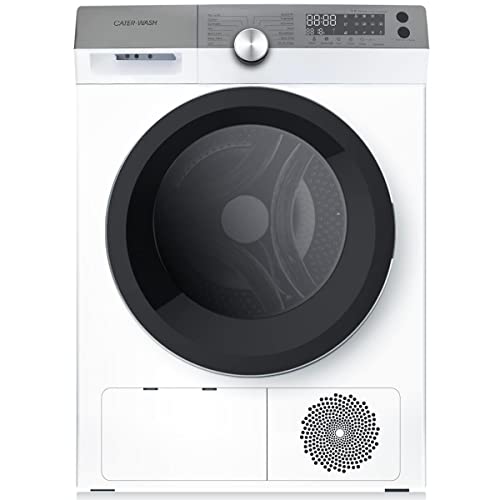 What is a Heatpump Dryer?
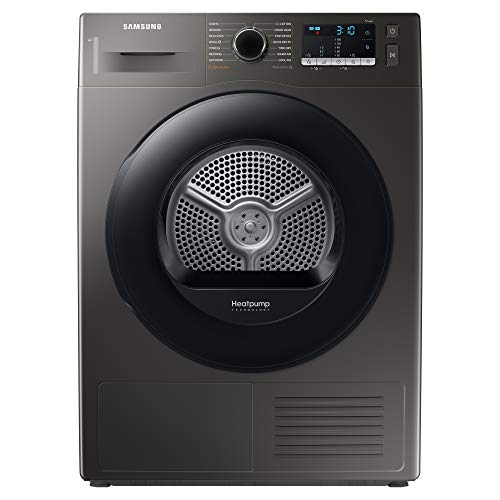
Heatpump dryers are an energy-efficient alternative to fossil fuel-powered dryers for clothes. They use air from outside instead of exhausting inside. It's more than an energy-saving device.
The compressor pumps refrigerant through a second set of coils. This warms up the air, which is then used to dry clothes.
Energy Efficiency
Heatpump dryers use an air compressor and an evaporator in combination to remove the moisture from your clothes. This technology is an excellent option for those looking to reduce their energy consumption, but don't have the space or ability to hang clothes on the line or run a traditional dryer. This is because heatpump dryers don't have vents and do not require a ventilation pipe. The air is sourced from the outside, pumped through a filtration process and then exhausted. This closed-loop system helps conserve energy because it does not remove the air inside that has already been heated or cooled prior to entering the home (as conventional dryers would).
This is also an excellent option for those who wish to minimize their exposure to environmental pollutants such as pollen, dust and. When the air is circulated through a filter and condensed, the majority UFPs (Ultrafine Particles), are attracted into the water and released as gas. This prevents them from being scattered in the air and causing respiratory issues as they would do in a normal vented dryer.
The most significant benefit of using the heatpump dryer is its energy efficiency. It can save up to 50 percent of the energy needed for drying compared to a traditional dryer. It is also able to save up to 30 percent of the energy used by a gas dryer and up to 40% of the energy used by an electric dryer. Moreover, it can save up to 10 percent of the energy used to cool compared with an ordinary dryer.
In the past, all research on drying with heat pumps was focused on the heat pump itself. However, there has been a shift of focus on the overall performance of the system. This performance can be measured using COP (coefficients of performance) and SMER (specific moisture removal rate), i.e. the amount of moisture removed per Kilowatt-hour) and drying efficiency (Chua and co. 2001).
Studies on the use of heat pumps for drying has revealed that it can provide better quality of product and be more economical than traditional hot air drying methods. For instance, a research study conducted by Soponronnarit and Prasertsan on tomato slices that were dried in a heat pump dryer revealed that they had more vibrant color and aroma than those dried in a conventional hot air dryer.
Moisture Removal
A heat pump dryer is equipped with an evaporator that absorbs the water vapor of the wet fabric as it moves through it. This moisture is removed from the evaporator and then disposed into a drain pan or it is removed directly from the dryer into a drain or sink pipe. The heat pump has a significant advantage over resistance dryers, which rely on a heating component to generate heat. heat pump dryers - https://ai-db.science/, do not add any additional humidity to your home, and they will save you money and time by reducing drying times.
They function in a similar manner as conventional dryers, by compressing fluid. As the fluid is compressed into the air, it absorbs heat pump tumble dryer reviews from the air and transfers this heat to the fabric. Heat-pump models are more energy efficient and could reduce your utility bill by as much as 30%..
The drying systems that use heat are smaller and require less maintenance than traditional dryers. They have fewer components and do not utilize resistance heaters which are the main source of energy loss in traditional dryers heat pump. Heat-pump dryers may have an lint screen that must be cleaned regularly and the condenser coils, that are responsible for transferring heat from the evaporator, may also need to be cleaned frequently.
The performance of a Heat Pump Dryer can be assessed by measuring the specific humidity extraction rate (SMER), which indicates the capacity of the dryer. And the energy efficiency of a Heat Pump Dryer can be measured by its COP or coefficient of performance. This is the ratio of the heat that is absorbed by the condenser and the work performed by the compressor. In this study a heat-pump dryer (HPD) was experimentally evaluated by utilizing various designs and test loads (4 kg and 7 kg). The HPD was equipped with an adsorption-dehumidification system comprised of a desiccant wheel at the dryer inlet.
The drying processes of the four designs of the HPD were examined by measuring the SMER at a constant volumetric flow rate of 100 m3/h. The three designs all reached a steady-state in the drying process. The performance of the HPD was improved when the adsorption device was placed at the inlet of the dryer instead of outlet.
Fabric Care
The lower temperatures for drying of heat pump dryers shield fabrics from excessive heat damage and prolong their life and stopping shrinkage. They also provide a more gentle cleaning experience than vented dryers, which makes them a great option for delicate or natural fabrics, such as cotton and wool.
A proper maintenance and use can increase the efficiency of heat pump dryers and their ability to care for fabric. Regularly cleaning the condenser and lint filter unit, emptying the water container, and clearing the air intake vent can ensure that your dryer operates at its best.
Regularly cleaning the lint filters in your dryer's heat pump will stop the accumulation of lint, which can cause the appliance to overheat and decrease performance. After each drying cycle it is essential to remove and thoroughly clean the lint filter with warm water. Let it dry completely before reinstalling in the dryer.
Emptying the water container in your heat pump dryer will help prevent the build-up and potential flooding of water that is too large that could cause harm to your appliance. Drain the water using a drain or hose. Then, rinse the container and let it dry completely before reinstalling in your dryer.
It is crucial to select the appropriate temperature for each load of washing to ensure optimal care for your fabric. To avoid damage to synthetic clothing and sportswear it is recommended to use lower temperatures for drying. Fabrics made of cotton and upholstery can withstand higher temperatures. Bosch heat pump drying systems provide a variety of drying options to suit different types of fabrics and washing conditions.
A heat pump dryer fitted with PerfectDry can automatically adjust the duration of each cycle and the temperature to the desired level. This eliminates the need to guess, and saves you time. For instance, the 40' Express Cycle gets a small 2 lb load of laundry dry and ready to wear in just over an hour.
A heat pump dryer will be the ideal option for you if you are looking for a sustainable, efficient laundry solution, or if you simply want to upgrade your laundry room. Explore Aztec's collection of top-rated brands to find the right heat pump dryer that suits your needs.
Longevity
They're relatively new to the market in the United States. They've been in use for a while in Europe and other countries. The heat pump dryer is one of two types ventless dryers. The other is the condenser dryer. Both have their advantages and drawbacks, however heat pump dryers are becoming more popular.
Contrary to traditional vented dryers which use heat to dry laundry and then vent the warm air outside they recycle the energy they consume for heat pump dryers the drying process. This means that heat-pump dryers consume much less energy than conventional dryers, and last for for a long time.
The dryers that use heat pumps as well as being eco-friendly are also more gentle on clothing. Since they don't add the heat needed to dry, they can help protect high-quality fibers. They are therefore ideal for delicate fabrics such as cashmere and wool. Another advantage of a heat-pump dryer is that it doesn't cause more wrinkles than a conventional dryer and Heat pump dryers can also reduce the amount of time you're spending ironing your clothes.
However, a heater doesn't eliminate the necessity for regular maintenance. Like all dryers, you have to clean the bottom container and lint screen regularly. Also, you must make sure that the dryer is level so that it doesn't overwork its motor. Regular maintenance can prolong the life of the dryer's heat pump.
The longevity capabilities of a heat-pump dryer are another major advantage over traditional vented dryers. Traditional vented dryers need vent pipes that connect through the exterior of your house. The pipe is required to remove excess moisture and heat however it can get blocked by debris in time. The life expectancy of a traditional dryer can be extended significantly by maintaining it regularly which is much easier to do than removing an entire exterior wall of your home.
Heat-pump dryers are also more tolerant to humidity than traditional vented dryers, and they can operate at lower temperatures, which is good news for those with sensitive skin or allergies. Some heat-pump dryers can even run on a 120-volt, 15-amp electrical circuit; this is essential for those who live in homes that have limited wiring.
댓글목록
등록된 댓글이 없습니다.