
Fitting a Cat Flap in a UPVC Door
페이지 정보
작성자 Elise
작성일 25-02-24 14:49 조회 13회 댓글 0
작성일 25-02-24 14:49 조회 13회 댓글 0
본문
Allowing your cat to enter and go out of the home at their own pace is a good idea to keep it physically and mentally engaged. A flap can reduce accidents with toilets by making it easier for your cat to leave the house if needed.
Take a measurement of the door
A cat flap allows your pet to come and go as they please without opening the door for them. This is a great method to keep your pet in the house when you are away or at home. It also helps to keep unwanted pests out of your.
It is essential to measure the door before you purchase the cat flap, as there are various sizes available. You can then ensure that the cat flap is the proper size for the door you have. Otherwise, it may be too big or small and your cat might have difficulty using it.
Use a ruler to measure the width at several locations along the edge of the door. Also, you should determine the door's height in a few spots. A door that is too high will make your cat do an acrobatics routine each time it is tempted to use the flap.
Ask a glazier for assistance when you're unsure of how much to install a cat flap to measure the door. They will be able determine if your door is suitable for cat flaps and can advise you on what size flap to purchase.
Once you've got your measurements, the next step to do is to draw the shape of the hole in the door. This will assist you when cutting the hole and save you money!
Make sure to put the hole in the correct position. If you are fitting an apex flap to the patio door, it is vital that the hole does not get too close to the hinges. This could result in leakage or issues with the seal.
If you have a glass door you could want to leave this task to a glazier. It can be a challenge to insert a cat flap inside the glass pane and you might find that the process causes it to break and lose its weatherproof seal.
Measure the Cat
A cat flap allows your pet to come and go whenever they like without having to leave them home on their own. It also helps stop the draughts from entering your home, which isn't good for either you or your cat!
If you have a uPVC door or composite, it may be difficult to install a cat flap. These kinds of doors are typically made from different materials than traditional wooden or uPVC doors, and the installation process is different as well. Before you consider fitting a cat flap in a upvc door the cat flap on your uPVC or composite door, make sure that it's compatible and that you have consulted the manufacturers as alterations may affect any warranties.
These doors are typically designed to last and are tough, with insulation. This makes them more resistant to weather elements than other types of doors, fitting a cat Flap in a upvc door but they may be a challenge to insert the cat flap. Consult a professional before installing a cat flap onto the uPVC door or composite.
You'll need to determine the height of your child to make sure they fit through the door. This is easier when they're sleeping or calm, so that they're not moving around too often. Once you've determined their height, take a measurement of the distance between their stomachs and the floor to determine where the bottom of the cat flap should go. This position is marked on the door.
When using power tools to cut your upvc cat flap door panels door or composite door, you will need be cautious. Cutting into metal can cause cracks, particularly if the area is made of toughened glass. This is why it's highly recommended to engage a glazier when installing your cat flap into the glass pane. This will prevent the glass from becoming fragile or shattering. A glazier can also supply you with a circular hole for the cat flap, which will be less likely to crack and is more secure for your cat to use.
Cut the Hole
A good cat flap comes with a template drawing that you can use to mark the spot on your door where the hole needs to be. If it doesn't, you can create one by using the thin paper (tracing paper is ideal). After the shape is drawn on the door, you can then use a spirit level to ensure that the shape is horizontal. This will ensure that your cat flap is positioned correctly in the opening, and it will not slide open or close.
Then, you can use your jigsaw and cut the design that was drawn on the door. Use a blade designed for uPVC door use. It will typically be identified with this information. If not you can ask the staff at your DIY store for help. Once the hole is made and the flap is placed against it and open it, making sure that the flap is moving smoothly. If it becomes stuck at any point, make use of a file or a rasp to fix this.
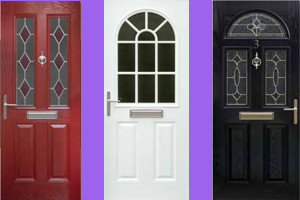 You should also check whether there are any electric gas or cable lines within the door you'll be cutting into because they could be damaged by your Jigsaw. Also, be aware of any handles, or other fixtures that are on the door which will need to be removed to fit the cat flap. Be careful not to damage these items in the process.
The majority of people who install a cat flap on their own will have the standard solid uPVC front door, meaning they won't be faced with these problems. If your door is made of timber or has a decorative panel that cannot be removed, this could increase the difficulty of the job.
It is always worth seeking assistance from an expert cat flap fitter for these kinds of jobs as it is essential to do them right to avoid any potential issues in the future. Making the wrong choice could lead to the door being damaged and could cause the warranty to be invalidated.
Fit the Flap
After you've made your hole drilled, put the flap in place to test whether it will fit and opens easily. If you find any points that catch or stick to the door, smooth them out using an sandpaper or hand file until it is a perfect fit and opens with no issues. Make sure that the flap is perfectly flush with the door.
If your tool doesn't have a template, you can make use of thin paper such as tracing or acetate. Lay the paper against the door and draw an area on which you'll want to position the flap (this will serve as your cutting guide). Draw four screw holes at every corner of the flap using the pencil marks you made on the door. These are the screws will be used to secure the flap in place.
Most uPVC doors are strong and easy to cut. If your door is constructed of GRP or composite however, it could be more difficult. If you're not familiar with this, it might be advisable to hire a professional to handle the work for you. They will also be able tell you if your door is suitable to install a cat flap.
If you want to install a cat flap on composite door cat flap doors, it is essential to first consult with the manufacturer or a professional joiner. Any changes made to these doors could invalidate the warranty. If you decide to do the work yourself, be aware that it can be messy and dangerous task.
You'll require an instrument like a grinder or a saw to cut through composite doors rather than only the GRP. Be aware that this could be extremely dangerous work and you'll have to take extreme care not to harm the door or yourself as it's extremely fragile. It's also worth noting that cutting a hole in any kind of glass door is far more difficult than making the same changes in the case of a uPVC or solid wood door.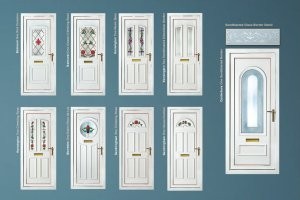
Take a measurement of the door
A cat flap allows your pet to come and go as they please without opening the door for them. This is a great method to keep your pet in the house when you are away or at home. It also helps to keep unwanted pests out of your.
It is essential to measure the door before you purchase the cat flap, as there are various sizes available. You can then ensure that the cat flap is the proper size for the door you have. Otherwise, it may be too big or small and your cat might have difficulty using it.
Use a ruler to measure the width at several locations along the edge of the door. Also, you should determine the door's height in a few spots. A door that is too high will make your cat do an acrobatics routine each time it is tempted to use the flap.
Ask a glazier for assistance when you're unsure of how much to install a cat flap to measure the door. They will be able determine if your door is suitable for cat flaps and can advise you on what size flap to purchase.
Once you've got your measurements, the next step to do is to draw the shape of the hole in the door. This will assist you when cutting the hole and save you money!
Make sure to put the hole in the correct position. If you are fitting an apex flap to the patio door, it is vital that the hole does not get too close to the hinges. This could result in leakage or issues with the seal.
If you have a glass door you could want to leave this task to a glazier. It can be a challenge to insert a cat flap inside the glass pane and you might find that the process causes it to break and lose its weatherproof seal.
Measure the Cat
A cat flap allows your pet to come and go whenever they like without having to leave them home on their own. It also helps stop the draughts from entering your home, which isn't good for either you or your cat!
If you have a uPVC door or composite, it may be difficult to install a cat flap. These kinds of doors are typically made from different materials than traditional wooden or uPVC doors, and the installation process is different as well. Before you consider fitting a cat flap in a upvc door the cat flap on your uPVC or composite door, make sure that it's compatible and that you have consulted the manufacturers as alterations may affect any warranties.
These doors are typically designed to last and are tough, with insulation. This makes them more resistant to weather elements than other types of doors, fitting a cat Flap in a upvc door but they may be a challenge to insert the cat flap. Consult a professional before installing a cat flap onto the uPVC door or composite.
You'll need to determine the height of your child to make sure they fit through the door. This is easier when they're sleeping or calm, so that they're not moving around too often. Once you've determined their height, take a measurement of the distance between their stomachs and the floor to determine where the bottom of the cat flap should go. This position is marked on the door.
When using power tools to cut your upvc cat flap door panels door or composite door, you will need be cautious. Cutting into metal can cause cracks, particularly if the area is made of toughened glass. This is why it's highly recommended to engage a glazier when installing your cat flap into the glass pane. This will prevent the glass from becoming fragile or shattering. A glazier can also supply you with a circular hole for the cat flap, which will be less likely to crack and is more secure for your cat to use.
Cut the Hole
A good cat flap comes with a template drawing that you can use to mark the spot on your door where the hole needs to be. If it doesn't, you can create one by using the thin paper (tracing paper is ideal). After the shape is drawn on the door, you can then use a spirit level to ensure that the shape is horizontal. This will ensure that your cat flap is positioned correctly in the opening, and it will not slide open or close.
Then, you can use your jigsaw and cut the design that was drawn on the door. Use a blade designed for uPVC door use. It will typically be identified with this information. If not you can ask the staff at your DIY store for help. Once the hole is made and the flap is placed against it and open it, making sure that the flap is moving smoothly. If it becomes stuck at any point, make use of a file or a rasp to fix this.
You should also check whether there are any electric gas or cable lines within the door you'll be cutting into because they could be damaged by your Jigsaw. Also, be aware of any handles, or other fixtures that are on the door which will need to be removed to fit the cat flap. Be careful not to damage these items in the process.The majority of people who install a cat flap on their own will have the standard solid uPVC front door, meaning they won't be faced with these problems. If your door is made of timber or has a decorative panel that cannot be removed, this could increase the difficulty of the job.
It is always worth seeking assistance from an expert cat flap fitter for these kinds of jobs as it is essential to do them right to avoid any potential issues in the future. Making the wrong choice could lead to the door being damaged and could cause the warranty to be invalidated.
Fit the Flap
After you've made your hole drilled, put the flap in place to test whether it will fit and opens easily. If you find any points that catch or stick to the door, smooth them out using an sandpaper or hand file until it is a perfect fit and opens with no issues. Make sure that the flap is perfectly flush with the door.
If your tool doesn't have a template, you can make use of thin paper such as tracing or acetate. Lay the paper against the door and draw an area on which you'll want to position the flap (this will serve as your cutting guide). Draw four screw holes at every corner of the flap using the pencil marks you made on the door. These are the screws will be used to secure the flap in place.
Most uPVC doors are strong and easy to cut. If your door is constructed of GRP or composite however, it could be more difficult. If you're not familiar with this, it might be advisable to hire a professional to handle the work for you. They will also be able tell you if your door is suitable to install a cat flap.
If you want to install a cat flap on composite door cat flap doors, it is essential to first consult with the manufacturer or a professional joiner. Any changes made to these doors could invalidate the warranty. If you decide to do the work yourself, be aware that it can be messy and dangerous task.
You'll require an instrument like a grinder or a saw to cut through composite doors rather than only the GRP. Be aware that this could be extremely dangerous work and you'll have to take extreme care not to harm the door or yourself as it's extremely fragile. It's also worth noting that cutting a hole in any kind of glass door is far more difficult than making the same changes in the case of a uPVC or solid wood door.
댓글목록
등록된 댓글이 없습니다.