
The 9 Things Your Parents Teach You About Confined Space Containers
페이지 정보
작성자 Tara
작성일 25-02-26 12:28 조회 14회 댓글 0
작성일 25-02-26 12:28 조회 14회 댓글 0
본문
Using Confined Space Multistore Containers (click the following internet site) to Prevent Hazards
Confined spaces can be a unique environment with a wide range of dangers. These can include oxygen deficiency and toxic atmospheres, flammable atmospheres and physical hazards.
These areas are also prone to cause communication, accessibility, and rescue problems. It is recommended to stay clear of these areas unless absolutely necessary.
Training
It is crucial that workers who work in confined areas are trained to recognize hazards and take the appropriate precautions. This training is an excellent way to avoid accidents and ensure that employees are prepared in the case of an emergency. The training covers subjects like entry procedures and permits warning signs and personal responsibility, air monitoring equipment, and the potential dangers.
Workers should be educated on basic emergency procedures to be followed in the event of a confined-space emergency. These include locking and tagging the outgoing piping, testing for the quality of air that is breathable, forcing ventilation, and ensuring that rescue personnel are on standby.
While this training is an excellent idea for any employee who might need to be in confined areas It is especially important for Confined Space Containers those who regularly visit these areas. This includes entrants and attendants as also supervisors. It's also an excellent idea for the employees of the controlling contractors as well as host employers Catering And Hospitality Containers safety officers at construction sites with confined areas to undergo this kind of training, since they'll be accountable for implementing the correct entry procedure.
The course covers a variety of dangers, including fires, toxic gases and oxygen deficiency. It teaches the correct use of special equipment, such as self-rescuing devices, and it emphasizes the importance of having an open mind in times of emergency. In addition, it covers important protocols, such as checking that the area is safe to enter and keeping in contact with an outside person in a situation of confined space.
Besides the training mentioned above There is also a tool that can supplement theoretical training to add a realistic and experiential element that is virtual reality. This technology provides trainees with to experience the procedure of entering a restricted space by wearing VR glasses. The trainer controls the simulation, but the user makes decisions within the scenario to enter a real enclosed space without risking their life.
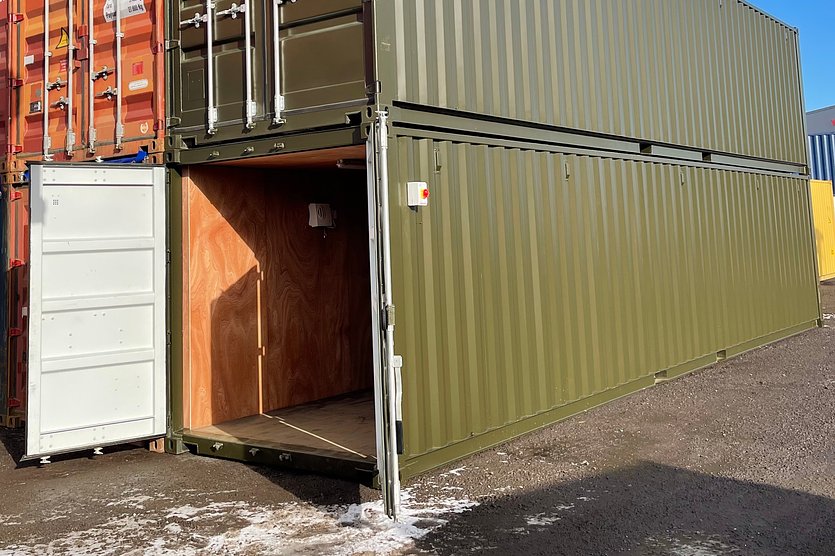
A mobile container is an efficient and safe way to simulate the conditions that might exist in small spaces. The mobile container is used in a wide range of industries, such as mining and the energy sector. It's also used for police, firefighting, and other emergency response teams to develop the ability to respond to danger.
 Ventilation
 is the process of circulating air to remove harmful contaminants from a confined space. The goal is to keep oxygen levels at a safe amount and to keep the level of contaminants below LEL (above the upper limit of explosion). It is also essential that the air in the area is healthy, which means that it should not contain toxic gasses or hydrocarbons that can create dangerous air.
The primary danger in confined spaces is the build-up of toxic gases and/or oxygen depletion. Confined spaces can be dangerous due to other risks like biological and chemical exposure, fire dangers, engulfment and mechanical and physical dangers. Prior to any work being carried out in a confined space the risk assessment needs to be completed. This will help identify the dangers and determine what measures of control are needed, including ventilation.
 It is essential to conduct a thorough examination during the risk assessment to ensure that the area meets the entry requirements. This inspection will include checking the entry and exit points, determining whether there are liquids or free-flowing substances that could entangle or suffocate an individual, and identifying the potential for fire hazards Chemical Storage Containers and biological exposure to engulfment, contaminant levels and other factors.
Once the risk assessment has been carried out After the risk assessment has been completed, the Confined Space Entry Permit must be obtained and a suitable plan developed containers for sale middlesbrough the work to be carried out. This plan should detail the equipment required as well as the ventilation method for the area that is confined.
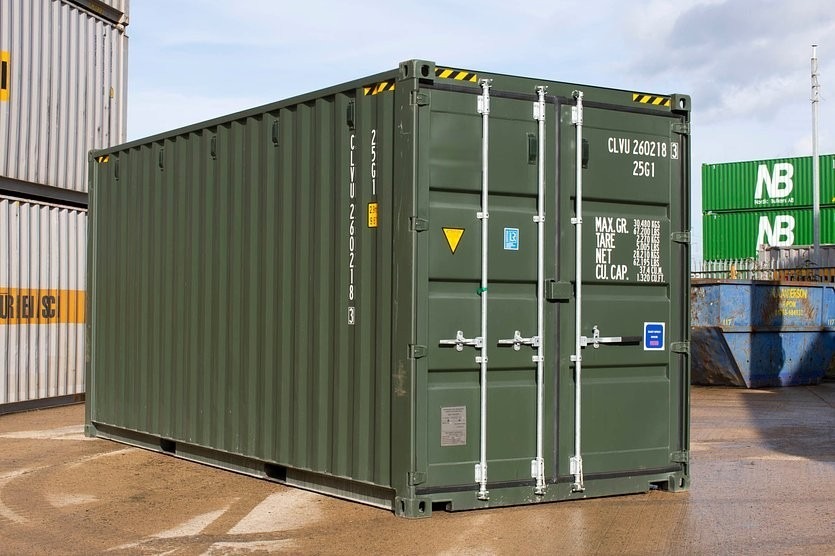
If the space is an old shipping container that was used as an outdoor storage space the building, it must be altered to allow sufficient airflow.
This will involve creating an opening for the entrance into the confined space and also ducting to get rid of any contaminants present. The ducting must be designed to allow the proper amount of airflow to be achieved taking into consideration the size of the space and the type and amount of contaminants, as well as their permissible exposure limits. To be effective the ventilation fan must be able to meet a minimum air change rate of 20 air changes per hour.
Atmosphere
Gases, vapors, and fumes in confined areas can be dangerous without adequate ventilation. Even household cleaners can produce poisonous fumes when confined to a small area.
A lot of confined spaces can accumulate methane, a natural gas that forms due to the decomposition of organic matter. This gas is produced by manure pits, and underground 10ft Storage Containers tanks. Carbon monoxide can also be generated by equipment powered by combustion.
A hazardous atmosphere is caused by flammable liquids or gases or dust that are combustible suspended in the air or an atmosphere with low oxygen levels. These kinds of environments pose a threat of explosion or fire and can kill workers instantly. Fluids that flow freely or solids that are free-flowing pose a risk to those who enter, resulting in drowning or asphyxiation. The risk is increased when an entrant gets engulfed by the fluid, and cannot escape.
People who work in confined areas should carry portable gas monitors that direct-reading can test for flammable and toxic gases, as well as oxygen levels. It is important to realize that a contaminant will only create a hazardous atmosphere if its concentration exceeds TLVs or if a worker cannot escape the space without assistance.
If the oxygen level falls below 19.5 percent, a dangerous atmosphere can quickly turn deadly. This lower level is known as an oxygen deficient environment. Unlike oxygen, contaminants such as hydrogen sulfide or carbon monoxide do not appear, making it difficult for workers to identify them.
The instrument's reading must be checked at minimum every five minutes to ensure that the instrument is functioning properly. A wire may break, the sensor could become loose or a trimpot could shift. All of these may influence the reading. Electrical instruments must also be tested for continuity and voltage. Workers must wear PPE such as safety harnesses, respirators or lines of support in the event they need to escape a hazardous situation. A plan for emergency rescue should be in place and workers must be in the sight of a qualified professional.
Access
Workers entering these spaces, whether it's the attic, crawlspace, or small storage areas should follow specific safety guidelines and communicate with an attendant. These spaces are often confined and be a serious risk for those who aren't adequately prepared.
Lack of training, inexperience and disregarding permit requirements are the primary reasons for accidents in confined spaces. This last point is extremely crucial, since three out of the five people killed in accidents involving confined space are rescuers. This is because it is not difficult for dangers to enter the confined space, or for the atmosphere to can quickly become dangerous due to a lack of oxygen and hazardous materials, as well as other environmental issues.
A confined space may be defined as any area that meets four criteria that it is closed off, difficult to enter, and contains a hazardous substance that could kill someone within 10 minutes. In the event of an emergency, it could be difficult for other people to reach those within. This includes small grow-rooms commercial freezers and keg coolers. They also include tunnels, sewers water tanks access shafts, silos, and tunnels.
The workplace will require specific equipment for workers who work in these places regularly. These tools and techniques can make the job easier and safer while reducing the risk of injuries or deaths. One example is the camera-on-a-stick that allows workers to lower a camera down into a small area to capture images under and around objects without having to enter the space.
Another essential piece of equipment for confined spaces is a portable gas monitor. This device can be used to identify dangerous levels of gases in the air that could be threatening the safety of those working inside. It can also be used to identify potential sources of danger such as leaking pipes or a dangerously low oxygen level.
There are various other tools and technologies which can be utilized to increase the efficiency and effectiveness of repair and inspection tasks in confined areas. For instance, a small robot that can be steered through the space to gather data is a great choice for workers who need to complete complex maintenance tasks in tight spaces. A holographic display can assist in identifying the location of any dangers and how to best avoid them.
Confined spaces can be a unique environment with a wide range of dangers. These can include oxygen deficiency and toxic atmospheres, flammable atmospheres and physical hazards.
These areas are also prone to cause communication, accessibility, and rescue problems. It is recommended to stay clear of these areas unless absolutely necessary.
Training
It is crucial that workers who work in confined areas are trained to recognize hazards and take the appropriate precautions. This training is an excellent way to avoid accidents and ensure that employees are prepared in the case of an emergency. The training covers subjects like entry procedures and permits warning signs and personal responsibility, air monitoring equipment, and the potential dangers.
Workers should be educated on basic emergency procedures to be followed in the event of a confined-space emergency. These include locking and tagging the outgoing piping, testing for the quality of air that is breathable, forcing ventilation, and ensuring that rescue personnel are on standby.
While this training is an excellent idea for any employee who might need to be in confined areas It is especially important for Confined Space Containers those who regularly visit these areas. This includes entrants and attendants as also supervisors. It's also an excellent idea for the employees of the controlling contractors as well as host employers Catering And Hospitality Containers safety officers at construction sites with confined areas to undergo this kind of training, since they'll be accountable for implementing the correct entry procedure.
The course covers a variety of dangers, including fires, toxic gases and oxygen deficiency. It teaches the correct use of special equipment, such as self-rescuing devices, and it emphasizes the importance of having an open mind in times of emergency. In addition, it covers important protocols, such as checking that the area is safe to enter and keeping in contact with an outside person in a situation of confined space.
Besides the training mentioned above There is also a tool that can supplement theoretical training to add a realistic and experiential element that is virtual reality. This technology provides trainees with to experience the procedure of entering a restricted space by wearing VR glasses. The trainer controls the simulation, but the user makes decisions within the scenario to enter a real enclosed space without risking their life.
A mobile container is an efficient and safe way to simulate the conditions that might exist in small spaces. The mobile container is used in a wide range of industries, such as mining and the energy sector. It's also used for police, firefighting, and other emergency response teams to develop the ability to respond to danger.
VentilationVentilation is the process of circulating air to remove harmful contaminants from a confined space. The goal is to keep oxygen levels at a safe amount and to keep the level of contaminants below LEL (above the upper limit of explosion). It is also essential that the air in the area is healthy, which means that it should not contain toxic gasses or hydrocarbons that can create dangerous air.
The primary danger in confined spaces is the build-up of toxic gases and/or oxygen depletion. Confined spaces can be dangerous due to other risks like biological and chemical exposure, fire dangers, engulfment and mechanical and physical dangers. Prior to any work being carried out in a confined space the risk assessment needs to be completed. This will help identify the dangers and determine what measures of control are needed, including ventilation.
It is essential to conduct a thorough examination during the risk assessment to ensure that the area meets the entry requirements. This inspection will include checking the entry and exit points, determining whether there are liquids or free-flowing substances that could entangle or suffocate an individual, and identifying the potential for fire hazards Chemical Storage Containers and biological exposure to engulfment, contaminant levels and other factors.Once the risk assessment has been carried out After the risk assessment has been completed, the Confined Space Entry Permit must be obtained and a suitable plan developed containers for sale middlesbrough the work to be carried out. This plan should detail the equipment required as well as the ventilation method for the area that is confined.
If the space is an old shipping container that was used as an outdoor storage space the building, it must be altered to allow sufficient airflow.
This will involve creating an opening for the entrance into the confined space and also ducting to get rid of any contaminants present. The ducting must be designed to allow the proper amount of airflow to be achieved taking into consideration the size of the space and the type and amount of contaminants, as well as their permissible exposure limits. To be effective the ventilation fan must be able to meet a minimum air change rate of 20 air changes per hour.
Atmosphere
Gases, vapors, and fumes in confined areas can be dangerous without adequate ventilation. Even household cleaners can produce poisonous fumes when confined to a small area.
A lot of confined spaces can accumulate methane, a natural gas that forms due to the decomposition of organic matter. This gas is produced by manure pits, and underground 10ft Storage Containers tanks. Carbon monoxide can also be generated by equipment powered by combustion.
A hazardous atmosphere is caused by flammable liquids or gases or dust that are combustible suspended in the air or an atmosphere with low oxygen levels. These kinds of environments pose a threat of explosion or fire and can kill workers instantly. Fluids that flow freely or solids that are free-flowing pose a risk to those who enter, resulting in drowning or asphyxiation. The risk is increased when an entrant gets engulfed by the fluid, and cannot escape.
People who work in confined areas should carry portable gas monitors that direct-reading can test for flammable and toxic gases, as well as oxygen levels. It is important to realize that a contaminant will only create a hazardous atmosphere if its concentration exceeds TLVs or if a worker cannot escape the space without assistance.
If the oxygen level falls below 19.5 percent, a dangerous atmosphere can quickly turn deadly. This lower level is known as an oxygen deficient environment. Unlike oxygen, contaminants such as hydrogen sulfide or carbon monoxide do not appear, making it difficult for workers to identify them.
The instrument's reading must be checked at minimum every five minutes to ensure that the instrument is functioning properly. A wire may break, the sensor could become loose or a trimpot could shift. All of these may influence the reading. Electrical instruments must also be tested for continuity and voltage. Workers must wear PPE such as safety harnesses, respirators or lines of support in the event they need to escape a hazardous situation. A plan for emergency rescue should be in place and workers must be in the sight of a qualified professional.
Access
Workers entering these spaces, whether it's the attic, crawlspace, or small storage areas should follow specific safety guidelines and communicate with an attendant. These spaces are often confined and be a serious risk for those who aren't adequately prepared.
Lack of training, inexperience and disregarding permit requirements are the primary reasons for accidents in confined spaces. This last point is extremely crucial, since three out of the five people killed in accidents involving confined space are rescuers. This is because it is not difficult for dangers to enter the confined space, or for the atmosphere to can quickly become dangerous due to a lack of oxygen and hazardous materials, as well as other environmental issues.
A confined space may be defined as any area that meets four criteria that it is closed off, difficult to enter, and contains a hazardous substance that could kill someone within 10 minutes. In the event of an emergency, it could be difficult for other people to reach those within. This includes small grow-rooms commercial freezers and keg coolers. They also include tunnels, sewers water tanks access shafts, silos, and tunnels.
The workplace will require specific equipment for workers who work in these places regularly. These tools and techniques can make the job easier and safer while reducing the risk of injuries or deaths. One example is the camera-on-a-stick that allows workers to lower a camera down into a small area to capture images under and around objects without having to enter the space.
Another essential piece of equipment for confined spaces is a portable gas monitor. This device can be used to identify dangerous levels of gases in the air that could be threatening the safety of those working inside. It can also be used to identify potential sources of danger such as leaking pipes or a dangerously low oxygen level.
There are various other tools and technologies which can be utilized to increase the efficiency and effectiveness of repair and inspection tasks in confined areas. For instance, a small robot that can be steered through the space to gather data is a great choice for workers who need to complete complex maintenance tasks in tight spaces. A holographic display can assist in identifying the location of any dangers and how to best avoid them.
댓글목록
등록된 댓글이 없습니다.