
The 9 Things Your Parents Teach You About Doors Windows Uk
페이지 정보
작성일 25-03-05 19:39 조회 5회 댓글 0
본문
Opening Doors and Seeing Clearly: A Comprehensive Guide to Doors and Windows in the UK
Doors and windows are more than simply functional components of a building; they are important to the character, security, and energy efficiency of homes and industrial residential or commercial properties throughout the United Kingdom. From the classic charm of sash windows in Georgian townhouses to the smooth modernity of bi-fold doors in contemporary homes, the UK boasts a varied range of designs and products in its door and window landscape. Comprehending the nuances of this market is important for homeowners, builders, and anybody looking to update or set up new doors and windows in the UK.
This post explores the world of doors and windows in the UK, checking out the numerous types offered, the common products utilized, the regulative requirements they need to fulfill, and the key factors to think about when making options for your residential or commercial property.
A Gateway to Style and Functionality: Exploring Door Types in the UK
Doors are the welcoming handshake of any building, providing gain access to, security, and contributing substantially to the overall aesthetic. In the UK, a wide array of door types deal with varied requirements and architectural designs.
Front Doors: The primary entry point of a home requires to be both protect and aesthetically enticing. Typical front door products in the UK include:
- uPVC (Unplasticized Polyvinyl Chloride): A popular choice due to its toughness, low upkeep, and cost. uPVC doors use exceptional thermal efficiency and security functions.
- Composite: Combining the finest of various materials, composite doors usually include a solid timber core enclosed in a uPVC or Glass Reinforced Plastic (GRP) skin. They master security, insulation, and weather condition resistance, while providing a wood-like look.
- Timber: A conventional and visually pleasing choice, timber doors use natural warmth and can be crafted into intricate styles. However, they need regular maintenance to safeguard versus the UK's typically wet climate.
- Aluminium: Known for its strength and slim profiles, aluminium doors are significantly popular for contemporary homes. They are durable, low upkeep, and can be powder-coated in a broad range of colours.
Internal Doors: These doors define spaces within a residential or commercial property, using privacy and sound insulation. Typical types include:
- Panel Doors: The most typical internal door style in the UK, including raised or flat panels within a frame, frequently made of timber or MDF (Medium Density Fibreboard).
- Flush Doors: Simple, flat-surfaced doors with windows that are popular for minimalist interiors.
- Glazed Doors: Incorporating glass panels to enable light to stream between rooms, typically utilized in living areas or cooking areas.
- Fire Doors: Essential for safety, fire doors are designed to resist fire and smoke for a specified period, supplying essential escape time in case of a fire. They are a legal requirement in specific locations of buildings in the UK.
Patio area Doors: Connecting indoor living areas with gardens or patio areas, these doors generate natural light and deal simple access to outdoor areas. Popular outdoor patio door enters the UK include:
- Sliding Patio Doors: Space-saving doors that slide horizontally, providing large glass panels and unblocked views.
- french windows and doors Doors: Double doors that open outwards or inwards, adding a touch of beauty and permitting a large opening.
- Bi-fold Doors: Folding doors that concertina back to produce a large, smooth opening, ideal for taking full advantage of area and connecting indoor and outdoor areas.
Letting the Light In: Understanding Window Types in the UK
Windows are essential for natural light, ventilation, and the total ambiance of a building. The UK uses a diverse series of window designs, each with its own attributes and advantages.
Sash Windows: The most common key in the UK, casement windows are hinged at the side or top and open outwards. They provide outstanding weather sealing and security.
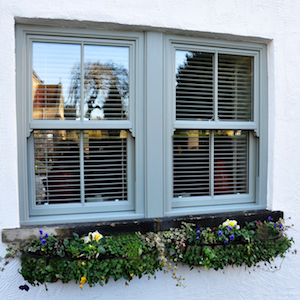
Sash Windows: A traditional British design, particularly prevalent in duration homes. Sash windows consist of two panels (sashes) that move vertically, frequently counterbalanced by weights and cords. They are known for their elegant look but can be less energy-efficient than modern-day window types if not well-maintained.
Tilt and Turn Windows: Offering adaptability, tilt and turn windows can be slanted inwards for ventilation and fully opened inwards for simple cleansing. They are popular in modern homes and apartments for their practicality and security features.
Bay Windows: Projecting outwards from a building, bay windows develop additional interior area and deal larger views. They are typically discovered in Victorian and Edwardian homes throughout the UK.
Fixed Windows (Picture Windows): Non-opening windows and doors replacement created to optimize natural light and views. Typically used in mix with opening windows for ventilation.
Material Matters: Choosing the Right Materials for UK Doors and Windows
The choice of material significantly affects the performance, aesthetics, and lifespan of windows and doors. In the UK, the most typical materials consist of:
uPVC: As pointed out formerly, uPVC is a commonly utilized material for both doors and windows in the UK. It's budget-friendly, low maintenance, energy-efficient, and uses good security. Modern uPVC systems can also be made to simulate the appearance of timber.
Timber: A standard choice offering natural beauty and outstanding insulation homes. Sustainable timber sources are progressively crucial. Hardwoods like oak are resilient but more expensive, while softwoods like pine are more budget friendly but require more regular upkeep in the UK environment.
Aluminium: Increasingly popular for contemporary designs, aluminium is strong, lightweight, and long-lasting. It can be powder-coated in numerous colours and uses slim profiles, taking full advantage of glass location. Thermally broken aluminium systems are essential for energy effectiveness in the UK.
Composite: Combining products like timber, uPVC, and aluminium windows doors to leverage their highest qualities. Typically utilized for front doors, offering high performance in security, insulation, and weather condition resistance with various visual options.
Browsing Regulations and Standards in the UK
Doors and windows in the UK must abide by stringent structure regulations and requirements to ensure safety, energy performance, and availability. Key considerations consist of:
Building Regulations Part L (Conservation of Fuel and Power) and Part F (Ventilation): These regulations set minimum requirements for thermal efficiency and ventilation to lower energy consumption and keep healthy indoor air quality. Doors and window U-values (measuring heat loss) and Window Energy Ratings (WERs) are essential aspects.
Building Regulations Part Q (Security): This part focuses on security requirements for doors and windows in new houses to reduce the threat of break-in. Security functions such as multi-point locking systems and laminated glass are crucial.
Building Regulations Part M (Access to and Use of Buildings): Ensures that buildings are available to all, consisting of people with disabilities. This can impact door widths, threshold heights, and window operation in certain circumstances.
British Standards (BS): Various British Standards relate to the performance and testing of doors and windows, covering aspects like weather resistance, security, and acoustic efficiency.
Energy Efficiency: Keeping Homes Warm and Bills Low
In the UK, where energy costs are a considerable concern, energy-efficient windows and doors are vital. Double or triple glazing, thermal breaks, and energy-efficient frame materials all add to lowering heat loss and enhancing a residential or commercial property's energy performance. Try to find windows and doors with high Window Energy Ratings (WERs), often graded from A++ to G, with A++ being the most energy-efficient.
Security First: Protecting Your Home
Security is a paramount factor to consider for windows and doors in the UK. Features to try to find include:
- Multi-point Locking Systems: Ensuring doors and windows are protected at numerous points along the frame for improved resistance against forced entry.
- Laminated or Toughened Glass: Stronger than standard glass, offering increased security and resistance to damage.
- Enhanced Frames: Providing extra strength and resilience to the door or window structure.
- Protect Hardware: Including robust manages, hinges, and locking systems that satisfy security requirements.
Trends in UK Door and Window Design
The aesthetics of windows and doors are continuously evolving. Current trends in the UK consist of:
- Slim Frames and Large Glass Areas: Maximizing natural light and views with minimalist frames, particularly in aluminium and contemporary uPVC systems.
- Grey and Anthracite Grey Finishes: Popular colour choices for window and door frames, offering a modern-day and trendy appearance.
- Bi-fold Doors and Large Sliding Doors: Creating smooth shifts between indoor and outside areas and enhancing open-plan living.
- Smart Home Integration: Increasingly, windows and doors are being incorporated with clever home systems, providing functions like remote locking, automated ventilation, and energy tracking.
Maintaining Your Doors Windows uk and Windows
Proper maintenance extends the life expectancy and performance of doors and windows and doors uk.
- uPVC and Aluminium: Generally low upkeep, requiring regular cleaning with soapy water.
- Timber: Requires regular painting or staining to secure versus the aspects and prevent rot. Examine for signs of damage and bring out repairs immediately.
- Seals and Weatherstripping: Inspect seals annually and replace them if they are damaged or used to maintain energy efficiency and prevent drafts.
- Hinges and Locks: Lubricate hinges and locks occasionally to guarantee smooth operation.
Conclusion
Selecting the ideal windows and doors for a UK residential or commercial property is a significant choice involving factors to consider of style, security, energy performance, and spending plan. By comprehending the various types, materials, regulations, and trends, property owners and contractors can make educated options that boost their properties and produce comfy, safe, and energy-efficient living areas. Whether you are refurbishing a period home or constructing a new property, the UK market uses a wide variety of windows and doors to meet every need and aesthetic preference.
Regularly Asked Questions (FAQs)
Q: Do I require preparing approval to replace my doors and windows in the UK?A: Generally, replacing doors and windows like-for-like in an existing residence does not need preparation approval. However, there are exceptions, particularly in conservation areas, listed structures, or if you are making substantial alterations to the look of your property. It is constantly best to talk to your local preparation authority to verify if permission is needed.
Q: What is a U-value and why is it important for doors and windows?A: A U-value procedures the rate of heat loss through a product. For doors and windows, a lower U-value suggests much better thermal insulation. In the UK, Building Regulations set minimum U-value requirements for new doors and windows to make sure energy effectiveness. Choosing doors and windows with low U-values can considerably lower heating costs.
Q: What are Window Energy Ratings (WERs)?A: Window Energy Ratings (WERs) are a system used in the UK to rate the energy effectiveness of windows. They are graded on a scale from A++ (most efficient) to G (least efficient). WERs consider aspects such as solar heat gain, heat loss, and air leakage to offer a detailed step of a window's energy performance.
Q: How typically should I replace my windows and doors?A: The life expectancy of doors and windows depends on the product and quality of setup. uPVC and aluminium windows can last for 20-30 years or more, while timber windows may need changing quicker depending on upkeep. Try to find signs of wear and tear, such as drafts, condensation within the glass panes, problem opening and closing, or rot in timber frames, as indicators that replacement might be required.
Q: What are the advantages of double or triple glazing in the UK?A: Double or triple glazing includes two or three panes of glass with an insulating gas (like argon) in between. The benefits consist of:
- Improved Thermal Insulation: Reducing heat loss and reducing energy expenses.
- Lowered Noise Pollution: Providing much better sound insulation from outside sound.
- Minimized Condensation: Minimizing condensation accumulation on the inside of windows, particularly in cooler months.
- Improved Security: Offering a little enhanced security compared to single glazing.
Q: What are the security standards I should try to find in windows and doors?A: Look for doors and windows that fulfill or go beyond the requirements of Building Regulations Part Q (Security) or Secured by Design requirements. Key security features consist of:
- Multi-point locking systems
- Laminated or toughened glass
- Strengthened frames
- Security-rated hardware
- Tested and licensed security items
By considering these elements and comprehending the options offered, it's possible to make educated choices about windows and doors that boost both the appeal and performance of any UK residential or commercial property.
댓글목록
등록된 댓글이 없습니다.