
10 Things That Your Family Taught You About Confined Space Containers
페이지 정보
본문
Using Confined Space Containers to Prevent Hazards
Confined spaces can be a unique environment that can be filled with a range of hazards. They can be a source of oxygen deficiency or toxic atmospheres.
These restricted areas may also create accessibility, communication and rescue problems. It is best to avoid these areas unless absolutely essential.
Training
It is essential that workers working in areas that are restricted are trained to recognize hazards and take the appropriate precautions. This training can prevent accidents and ensure that employees are prepared to react in the event of an emergency. The training covers topics such as entry procedures and permits. It also includes warning signs and personal responsibility air monitoring equipment and possible hazards.
In addition to training on the particular dangers of working in confined spaces, employees should also be taught basic emergency activities that could be performed in an emergency in a confined space. These include locking and marking the piping, testing the air quality for breathing, forcing ventilation, and ensuring that emergency personnel are prepared.
This type of training is essential for all employees, but it's important for those who enter these areas regularly. This includes entrants and attendants as well as supervisors. It's also recommended that the representatives of controlling contractors, host employers, and safety managers at construction sites that have restricted spaces to receive this type of instruction, since they'll be responsible to implement the proper entry procedure.
The course is focused on a range of different dangers, such as lack of oxygen, 10Ft Storage Containers toxic gases, and fires. It teaches the proper use of Specialized Containers gear like self-rescuing devices, and stresses the importance of maintaining an open mind in times of emergency. It also covers important procedures including confirming that the area is safe for entry and keeping in contact with an outside person in an emergency situation that is restricted spaces.
Virtual reality is a viable alternative to the above-mentioned training that can add a realistic and immersive component. This technology lets students experience the process of entering a confined space by using VR glasses. The trainer configures the simulation, while the user is able to make decisions in the scenario to enter a enclosed space without risking their lives.
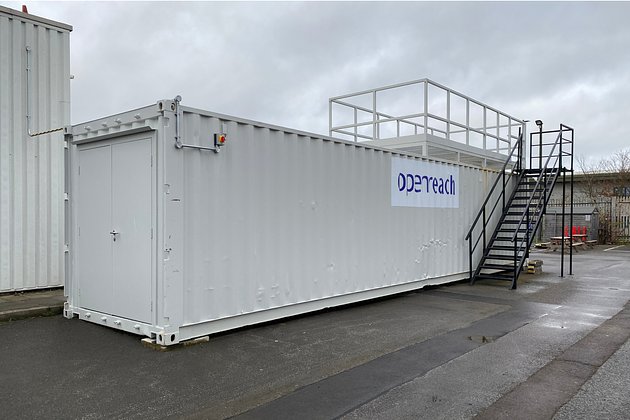
A mobile container is a safe and effective way to simulate the conditions that could exist in confined spaces. The mobile container is employed in a wide range of industries, including mining and the energy industry. It's also used for law enforcement, firefighting and other emergency response teams to build the ability to respond to danger.
Ventilation
Ventilation is a method that circulates air to remove harmful toxins from enclosed spaces. It can be achieved in a variety of ways, but the goal is always to keep oxygen levels at the safe level and to keep contaminant concentrations below their LEL (above their upper explosion limit). It is also crucial that air in the area is healthy, which means that it should not contain toxic gasses or hydrocarbons that could cause a hazardous atmosphere.
The main hazard in enclosed spaces is the build-up of toxic gases and/or oxygen depletion. However, confined spaces can also be a risk due to other hazards including exposure to biological and chemical substances, fire hazards, engulfment, mechanical and physical hazards and others. Before any work can be done in a restricted area, a risk analysis must be conducted. This will help identify the risks and determine the control measures that are needed, including ventilation.
In the course of risk assessment, it is vital that a thorough examination of the area is carried out to ensure it is in compliance with the requirements for entry. This inspection will involve the assessment of entry and exit points and determining if there are liquids, or free-flowing materials that could strangle, or suffocate, a person. It will also determine the risk of fire and chemical and biological exposure.
Once the risk assessment has been carried out After the risk assessment has been completed, it is now time to apply for a Confined Space Entry Permit must be obtained and an appropriate plan drawn up for the work to be completed. This plan should include a specific method of ventilation for the space and details the required equipment to be brought into the space.
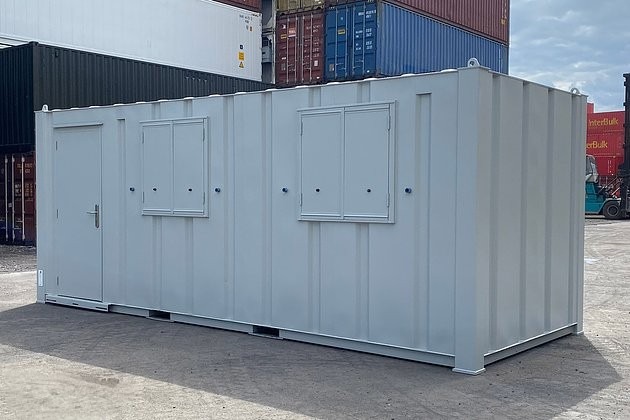
For instance in the case of a classic shipping container that has been used as an external storage area, it will need to be modified and ventilated to ensure that there is sufficient airflow throughout the space.
This will require the construction of an entrance for the confined space, and ducting that will eliminate any contaminants that are present. The ducting must be designed to achieve the appropriate amount of airflow, based on the size of space, the type and volume of contaminants and their exposure limits. A ventilation fan must be chosen that can meet a minimum of 20 air changes per hour in order to be effective.
Atmosphere
Gases, vapors, and fumes in tight areas can be dangerous without adequate ventilation. Additionally, even household cleaners can emit toxic fumes when in an enclosed space.
A lot of confined spaces can accumulate methane in the natural process of building up from decomposition of organic material. Manure pits, sewers, silos and storage tanks underground that used to store rotting grain can all produce this toxic gas. Carbon monoxide can also be generated by burning equipment.
An unsafe atmosphere can be caused by flammable liquids, gases, a suspension of combustible particles in air or an oxygen-deficient atmosphere. Such atmospheres can cause an explosion or Refrigerated Containers fire, and people could die instantly. Free-flowing solids or liquids pose a risk to entrants, leading to drowning or asphyxiation. The danger is increased when an entrant is engulfed by the flowing substance and is unable to escape.
 Workers who enter confined spaces are required to carry portable direct-reading monitors that can check for oxygen and harmful gases. It is crucial to understand that a contaminant can only create dangerous conditions when its concentration exceeds the TLVs for serious health effects, or if it will hinder a worker's ability to leave the space unaided.
When the oxygen level drops below 19.5 percent, a dangerous atmosphere can quickly become fatal. The lower level is thought to be an oxygen deficient atmosphere. Because the contaminants like carbon monoxide and hydrogen sulfide are not visible and are difficult to detect, workers to identify them.
To ensure that the instrument is functioning properly the instrument should be inspected at minimum every five minutes. A wire could break, a sensor may become loose or a trimpot could shift. All of these may influence the reading. Electrical equipment must be tested second hand containers for sale uk continuity and Confined Space Containers voltage. Workers should wear PPE like safety harnesses, respirators or lines of support in the event they have to escape from dangerous situations. Finally an emergency rescue plan must be in place and workers should always be within sight of an experienced rescuer.
Accessible
Whether it's an attic, crawl space or a small storage space the workers who are entering these areas must adhere to specific safety guidelines and communicate with an attendant designated. The reason for this is that restricted spaces pose a risk that can be exacerbated in the event that the worker does not adequately prepare for the task.
The main reasons for accidents in confined spaces are inexperienced, inadequate training, ignored permit conditions and lack of rescue procedures. The last point is particularly crucial since three out of five people who die in confined spaces are rescuers themselves. This is due to the fact that it's simple for dangerous substances to be carried into the confined space or the atmosphere can quickly become dangerous due to a lack of oxygen, hazardous materials or other environmental issues.
A confined space is any space that meets one of four criteria: it's enclosed, hard to enter and has a risk that could kill someone within less than 10 minutes. In the event of an emergency, it can be difficult for Confined Space Containers others to reach those in the area. These include small grow-rooms commercial freezers and keg coolers. They also include tunnels, sewers water tanks access shafts, silos and tunnels.
The workplace will require special equipment for workers who work in these spaces often. These tools and technologies can make the job easier and faster while reducing the risk of injury or death. The camera-on-a stick is a good example. It lets workers lower the camera into a confined area to take pictures of and around objects without entering the space.
Another piece of essential equipment for confined space is a portable gas monitor. This device can be used to identify dangerous levels in the air that could pose a threat to the safety of people working within. It can also be used to determine the potential sources of danger, for instance leaky pipework or a lower oxygen level.
 There are a variety of other technologies and tools that can be utilized in tight spaces to increase the efficiency of repair and inspection jobs. For instance, a tiny robot that can be guided through the space to gather information is a great option for workers who must complete complex maintenance tasks in tight spaces. Holographic displays are also an excellent method of displaying the dangers and how to avoid them.
Confined spaces can be a unique environment that can be filled with a range of hazards. They can be a source of oxygen deficiency or toxic atmospheres.
These restricted areas may also create accessibility, communication and rescue problems. It is best to avoid these areas unless absolutely essential.
Training
It is essential that workers working in areas that are restricted are trained to recognize hazards and take the appropriate precautions. This training can prevent accidents and ensure that employees are prepared to react in the event of an emergency. The training covers topics such as entry procedures and permits. It also includes warning signs and personal responsibility air monitoring equipment and possible hazards.
In addition to training on the particular dangers of working in confined spaces, employees should also be taught basic emergency activities that could be performed in an emergency in a confined space. These include locking and marking the piping, testing the air quality for breathing, forcing ventilation, and ensuring that emergency personnel are prepared.
This type of training is essential for all employees, but it's important for those who enter these areas regularly. This includes entrants and attendants as well as supervisors. It's also recommended that the representatives of controlling contractors, host employers, and safety managers at construction sites that have restricted spaces to receive this type of instruction, since they'll be responsible to implement the proper entry procedure.
The course is focused on a range of different dangers, such as lack of oxygen, 10Ft Storage Containers toxic gases, and fires. It teaches the proper use of Specialized Containers gear like self-rescuing devices, and stresses the importance of maintaining an open mind in times of emergency. It also covers important procedures including confirming that the area is safe for entry and keeping in contact with an outside person in an emergency situation that is restricted spaces.
Virtual reality is a viable alternative to the above-mentioned training that can add a realistic and immersive component. This technology lets students experience the process of entering a confined space by using VR glasses. The trainer configures the simulation, while the user is able to make decisions in the scenario to enter a enclosed space without risking their lives.
A mobile container is a safe and effective way to simulate the conditions that could exist in confined spaces. The mobile container is employed in a wide range of industries, including mining and the energy industry. It's also used for law enforcement, firefighting and other emergency response teams to build the ability to respond to danger.
Ventilation
Ventilation is a method that circulates air to remove harmful toxins from enclosed spaces. It can be achieved in a variety of ways, but the goal is always to keep oxygen levels at the safe level and to keep contaminant concentrations below their LEL (above their upper explosion limit). It is also crucial that air in the area is healthy, which means that it should not contain toxic gasses or hydrocarbons that could cause a hazardous atmosphere.
The main hazard in enclosed spaces is the build-up of toxic gases and/or oxygen depletion. However, confined spaces can also be a risk due to other hazards including exposure to biological and chemical substances, fire hazards, engulfment, mechanical and physical hazards and others. Before any work can be done in a restricted area, a risk analysis must be conducted. This will help identify the risks and determine the control measures that are needed, including ventilation.
In the course of risk assessment, it is vital that a thorough examination of the area is carried out to ensure it is in compliance with the requirements for entry. This inspection will involve the assessment of entry and exit points and determining if there are liquids, or free-flowing materials that could strangle, or suffocate, a person. It will also determine the risk of fire and chemical and biological exposure.
Once the risk assessment has been carried out After the risk assessment has been completed, it is now time to apply for a Confined Space Entry Permit must be obtained and an appropriate plan drawn up for the work to be completed. This plan should include a specific method of ventilation for the space and details the required equipment to be brought into the space.
For instance in the case of a classic shipping container that has been used as an external storage area, it will need to be modified and ventilated to ensure that there is sufficient airflow throughout the space.
This will require the construction of an entrance for the confined space, and ducting that will eliminate any contaminants that are present. The ducting must be designed to achieve the appropriate amount of airflow, based on the size of space, the type and volume of contaminants and their exposure limits. A ventilation fan must be chosen that can meet a minimum of 20 air changes per hour in order to be effective.
Atmosphere
Gases, vapors, and fumes in tight areas can be dangerous without adequate ventilation. Additionally, even household cleaners can emit toxic fumes when in an enclosed space.
A lot of confined spaces can accumulate methane in the natural process of building up from decomposition of organic material. Manure pits, sewers, silos and storage tanks underground that used to store rotting grain can all produce this toxic gas. Carbon monoxide can also be generated by burning equipment.
An unsafe atmosphere can be caused by flammable liquids, gases, a suspension of combustible particles in air or an oxygen-deficient atmosphere. Such atmospheres can cause an explosion or Refrigerated Containers fire, and people could die instantly. Free-flowing solids or liquids pose a risk to entrants, leading to drowning or asphyxiation. The danger is increased when an entrant is engulfed by the flowing substance and is unable to escape.
Workers who enter confined spaces are required to carry portable direct-reading monitors that can check for oxygen and harmful gases. It is crucial to understand that a contaminant can only create dangerous conditions when its concentration exceeds the TLVs for serious health effects, or if it will hinder a worker's ability to leave the space unaided.When the oxygen level drops below 19.5 percent, a dangerous atmosphere can quickly become fatal. The lower level is thought to be an oxygen deficient atmosphere. Because the contaminants like carbon monoxide and hydrogen sulfide are not visible and are difficult to detect, workers to identify them.
To ensure that the instrument is functioning properly the instrument should be inspected at minimum every five minutes. A wire could break, a sensor may become loose or a trimpot could shift. All of these may influence the reading. Electrical equipment must be tested second hand containers for sale uk continuity and Confined Space Containers voltage. Workers should wear PPE like safety harnesses, respirators or lines of support in the event they have to escape from dangerous situations. Finally an emergency rescue plan must be in place and workers should always be within sight of an experienced rescuer.
Accessible
Whether it's an attic, crawl space or a small storage space the workers who are entering these areas must adhere to specific safety guidelines and communicate with an attendant designated. The reason for this is that restricted spaces pose a risk that can be exacerbated in the event that the worker does not adequately prepare for the task.
The main reasons for accidents in confined spaces are inexperienced, inadequate training, ignored permit conditions and lack of rescue procedures. The last point is particularly crucial since three out of five people who die in confined spaces are rescuers themselves. This is due to the fact that it's simple for dangerous substances to be carried into the confined space or the atmosphere can quickly become dangerous due to a lack of oxygen, hazardous materials or other environmental issues.
A confined space is any space that meets one of four criteria: it's enclosed, hard to enter and has a risk that could kill someone within less than 10 minutes. In the event of an emergency, it can be difficult for Confined Space Containers others to reach those in the area. These include small grow-rooms commercial freezers and keg coolers. They also include tunnels, sewers water tanks access shafts, silos and tunnels.
The workplace will require special equipment for workers who work in these spaces often. These tools and technologies can make the job easier and faster while reducing the risk of injury or death. The camera-on-a stick is a good example. It lets workers lower the camera into a confined area to take pictures of and around objects without entering the space.
Another piece of essential equipment for confined space is a portable gas monitor. This device can be used to identify dangerous levels in the air that could pose a threat to the safety of people working within. It can also be used to determine the potential sources of danger, for instance leaky pipework or a lower oxygen level.
There are a variety of other technologies and tools that can be utilized in tight spaces to increase the efficiency of repair and inspection jobs. For instance, a tiny robot that can be guided through the space to gather information is a great option for workers who must complete complex maintenance tasks in tight spaces. Holographic displays are also an excellent method of displaying the dangers and how to avoid them.댓글목록
등록된 댓글이 없습니다.