
You'll Never Guess This Chemical Storage Containers's Tricks
페이지 정보
본문
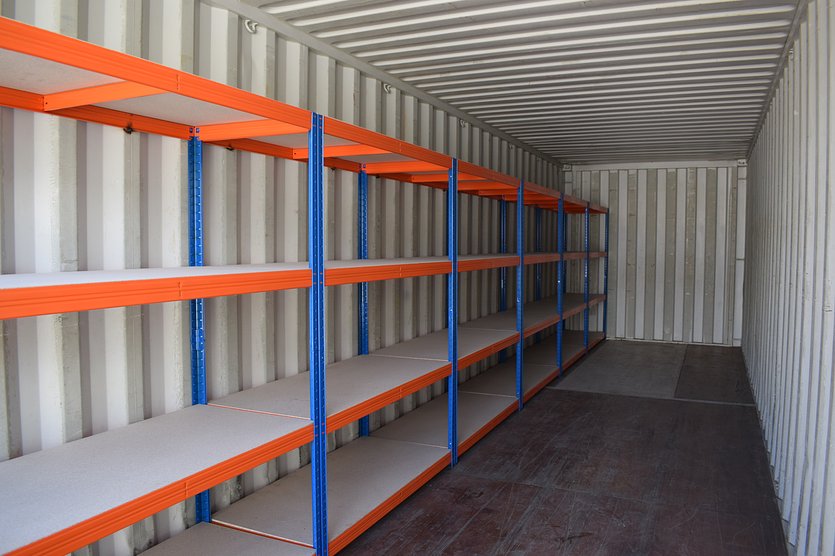 Chemical Storage Containers
Keeping chemicals in optimal storage conditions enhances the quality of products and decreases the chance of chemical reaction. Separating compressed gas that is not compatible (oxidizing versusflammable) as well as empty from full cylinders is also beneficial.
Chemical storage containers, also referred to as safety cabinets or hazardous goods cabinets, are designed and constructed to store hazardous chemicals inside. They offer a combination of safety, portability, and efficiency that minimizes risk and permits site optimization.
Insulation
In addition to keeping your chemicals and dangerous substances at safe temperatures, the insulation in chemical storage Offshore Containers also helps keep mildew and mold from growing. Insulation is especially important for chemicals that are sensitive to humidity, like sodium hypochlorite, or certain acids.
Depending on the climate of the region you reside, you may need different types of insulation to safeguard your chemical storage containers. In warmer climates, you may need to select one that reflect heat, and also provides protection from sun. In contrast in colder climates, you'll require a material that resists heat and has more R-value.
When choosing a type of insulation for your chemical storage containers, think about its efficiency and installation complexity. Spray foam insulation is an easy-to-install quick, cost-effective and efficient choice. It is typically sprayed onto the walls of the container and expands to create an airtight seal, which ensures temperature control and prevents condensation.
Another option for insulation is batt insulation, which is made up of flexible rolls or sheets made from mineral wool, fiberglass or natural fibers like cotton or sheep's wool. If installed correctly this type of insulation can cut down on energy costs by keeping the contents of your chemical storage containers warm or cold for longer durations of time.
The shape and size of your chemical storage containers should also be considered when selecting an insulation material. The size of the container determines the amount of your chemical can be stored at one time and will influence the safety. In general, a larger container can hold more liquid at a time than a smaller one.
No matter the size of your chemical storage containers, they should be securely secured to prevent accidents and ensure conformity with federal and campus regulations. Chemicals should not be kept near exits, areas with high foot traffic or windows with ledges. Containers should be sealed when not being used or dispensing. Additionally, all hazardous chemicals should be stored in a rated storage cabinet or a chemical storage locker that's been welded, riveted, or sealed with a strong epoxy.
Safety
When storing or transporting chemicals in containers, appropriate handling and safety measures are important. This includes segregating mixed classes chemicals, like acids and bases, during the process of transport to avoid chemical reactions that could be hazardous or harmful. All chemicals must be sealed and capped. This decreases the chance of evaporation and spillage and is a mandatory requirement for certain chemicals. All containers that are capped must be child-proof, and they should be kept in areas that are well ventilated to help dissipate fumes.
It is important to ensure that all chemicals are kept in Multistore Containers that are safe and secure. It is also important to follow the storage requirements of every class of chemical. For instance, corrosives need to be stored separately from acids, while flammable liquids must be kept in specially designed cabinets that offer protection against fire. Certain chemicals must be kept in a designated space within a laboratory for example, a fume hood or a chemical storage room. The performance of the hood could be affected if chemicals are placed in these spaces. This could cause accidents.
Separating chemicals according to compatibility is another important aspect to safe chemical storage. Using an alphabetical storage system may place chemicals that are not compatible with each one, increasing the risk of chemical reactions that are not desirable and contamination. Separating chemicals by their hazard classifications can help reduce these risks. It is essential to examine the SDS (Safety Data Sheet) of every chemical prior to storage or using it. This will provide you with the information you need to know whether it's a hazard, a health hazard or a reactivity hazard, and what precautions you should take when handling it.
To limit the spread and damage of flames, chemical storage rooms should be constructed with sturdy materials that are fire-resistant and can withstand high temperature for a long period of time. This is particularly important for areas that contain flammable or toxic chemicals. It is also essential that storage spaces are ventilated and protected from direct sunlight as well as other sources of heat. Additionally, it is essential to inspect regularly chemical storage areas and replace any containers which show signs of corrosion, cracks or degradation. Limiting access to these areas and identifying expired chemical products will ensure a high degree of safety and compliance within lab environments.
Portability
Chemical storage Construction Containers are flexible and economical solutions that make it easy for companies to adapt to a variety of chemicals and tasks. These tanks are made from sturdy materials that can stand up to the corrosive effects of chemicals. They are also easy to transport, which makes them ideal for temporary projects or places that require quick setup and removal. Unlike traditional tank infrastructure, which requires a lot of installation and maintenance Prefabricated chemical storage tanks can save facilities significant time and money.
Using chemical storage containers is one of the most efficient ways to store dangerous chemicals on site. They provide a safe and secure way to safeguard your staff, assets and the local environment from fires and spills. These containers are constructed to comply with the requirements of relevant Australian standards, chemical storage containers including minimum leakage rates and maximum spill capacities. Some containers also have fireproof linings and double-door design to increase security and safety.
Select a container that is adequate for the amount of chemicals you'll be keeping. This will stop you from overfilling or storing unnecessary chemicals that could end up being hazardous and wasteful. You can choose between various sizes, ranging from small shipping containers for sale 80-litre models to huge IBC stores that can have capacities up to 10,000 litres.
If you're keeping flammable chemicals, consider getting an IBC with a vapour barrier. This will prevent the chemicals from burning if they reach high temperatures, and it can be especially beneficial for liquids that are flammable. If you're storing chemicals that are corrosive to metals, opt for a tank that has a stainless steel liner. These tanks are far more resistant to corrosion and are safer to store corrosive chemicals than fiberglass or metal.
Incompatible chemicals should be stored in separate areas to reduce the risk of cross-contamination and Chemical storage containers ensure all employees are protected. To ensure an effective and safe workplace, it is important to have a system in place for storing incompatible chemicals in a separate location. Incompatible chemicals must be grouped according to their hazard class. It is important to check the SDS of the manufacturer for specific storage guidelines.
Efficiency
There are many types of chemicals that need to be stored in a proper way. This ensures that they function in the way they were intended and reduces the likelihood of quality issues. Proper chemical storage also reduces the chance of contamination or temperature fluctuations which can cause them to degrade. This helps businesses control the quality of their products. Chemical storage facilities that are dedicated to chemicals provide the most efficient method of storing these chemicals.
When choosing chemical storage containers It is crucial to take into consideration the size, volume and weight. The material must be compatible with the chemicals in order to prevent the loss of chemical or degradation over time. Glass containers, for example, are suitable for most chemicals, except those that react (e.g. hydrofluoric acid). The shape of the container is important, as it will affect stability and ease in pouring. The container must also have child-proof features and an airflow vent.
Storing incompatible chemicals separately ensures that there is no chance of accidental mixing which could cause explosions, fires and the generation of toxic gas. It is essential to adhere to labeling standards, such as GHS Pictograms for each chemical group. This will help you identify the dangers and the proper PPE for handling and disposal.
It is essential to have access to spill cleanup products in case of an accident. This can range from absorbent pads to neutralizers. Be aware that some chemicals require extra precautions in case of spills, for example, storing them in trays and storing them far away from sources of heat.
The space used for storing chemicals in a laboratory is usually limited, so the proper organization is essential for ensuring safety and efficiency. In the ideal scenario, a floor plan should be created that categorizes chemicals according to their hazard classification and usage. The most frequently used chemicals should be stored in a convenient location, whereas lesser-used chemicals can be kept in more remote areas.
 Selecting the right shelving system is also essential to maximize efficiency. Metal shelves are the best choice for flammable or hazardous chemicals since they can withstand their weight without falling over. Plastic shelving is also a viable option for non-hazardous chemical storage, and can be a cost-effective solution for most labs. In any case, it is important to determine the capacity of any rack or shelving systems prior to deploying them in an lab.
- 이전글The Infrequently Known Benefits To Sofa On Sale 25.02.24
- 다음글How Much Does a Cat Flap Cost? 25.02.24
댓글목록
등록된 댓글이 없습니다.