
The 10 Most Scariest Things About Caring For An Grey Parrot
페이지 정보
본문
caring for an grey parrot For an African Grey Parrot
Similar to toddlers, Gizmo newborn african grey parrot grey parrots can be bored quickly and require lots of mental stimulation to avoid problems with their behavior. They can be destructive or shout if they don't get enough mental stimulation.
Highly intelligent, they are arguably the most accurate mimics of all parrot species and can comprehend human speech. They are threatened by the trade in pets and habitat loss.
Feeding
 The dietary needs of african grey for sale $200 greys are slightly different from other large psittacine species. While they are omnivores in the wild, they prefer seeds to fruit and vegetables.
In captivity, they are more likely to eat fruit and leafy vegetables than seeds. They are also prone to calcium deficiencies and obesity which is why it is essential for owners to monitor the quality of their diets. Pellets or complete crumbles should make up 75% of a parrot's diet and it is recommended that they are purchased from reputable brands such as Harrisons, Murphy's or Vetafarm.
Ideally your diet should include a mix of pellets and fresh food. A good ratio is 60% pellets, 10% seeds and caring for an Grey parrot 30% fresh food. Kale, spinach and silverbeet are among the top choices. Also, native plants and sprouting grasses such as dandelion leaves sweetcorn and endive are good choices. However, you should avoid cruciferous vegetables like cauliflower and cabbage as they are high in oxalic acid. This can hinder the absorption of calcium in the body.
Nuts are a rich source of nutrients to your diet, but they should be consumed sparingly due to their fat content. They are high in protein, healthy fats as well as vitamins and minerals.
The rest of your diet should consist of the combination of vegetables and fruits. It is recommended to stay clear of avocado as it is toxic to psittacines. Other foods that are toxic include alcohol, chocolate, coffee and raw potatoes. If a parrot is consuming too many fruits, they may develop yeast problems in the gastrointestinal tract.
A balanced diet is the best method to keep your African grey parrot happy and healthy. It is important to monitor the bird's weight and introduce new foods in small amounts. The bird's weight is measured every day. This will allow you to quickly observe any changes and then correct them. It's also a great idea to offer the bird fresh water regularly. This will prevent dehydration and infections caused by bacteria. Food that is not consumed in the cage or in the play area could ruin the food and cause health issues for your bird.
Training
Parrots are easily taught to speak. However, it might take them days or even weeks to repeat the words they hear. A parrot who has been trained well can also do simple tricks and respond to cues. These activities keep a bird's mind stimulated and prevent them from becoming bored. Boredom can cause undesirable behaviors like feather picking or destructive chewing. These issues require intervention from a professional.
It is important to stop bonding in the bud as if a bird becomes completely attached to one person in a family it may become territorial and threatening to other members of the family. This can be very risky for elderly people, children or those suffering from allergies. To avoid this everyone in the household should spend some time every day playing and interacting with the parrot in different ways. This will allow the bird to become more comfortable with being touched by everyone in a family and reduce the likelihood that it will develop an overprotective behavior.
When a bird is bonded to a single person, it may bite and peck at family members or guests who attempt to handle or pet it. To avoid this family members should take turns in petting the bird or putting it into its cage. If a parrot displays aggressive behavior and is threatening to harm another bird, it should be placed back in its cage and not handled for a few minutes.
Be aware of "pinfeathers" or "blood feathers" during petting sessions. These feathers contain a blood supply, and can cause bleeding when they are they are brushed against. If a blood feather is found to be exposed, it must be removed immediately and replaced with a new feather.
In addition to a petting session, family members should be taught how to say hello and goodbye to the parrot. The bird should also be taught to identify food items and toys. This will make it easier to teach the bird to speak, and will also enable it to communicate with family members without being physically close to them.
Health
While the African grey is one of the most intelligent parrots in the world, it can become bored easily and will resort to destructive behavior when it is not provided with enough toys or other opportunities to exercise its brain. It also needs a great amount of mental stimulation in order to avoid self mutilation, excessive screaming and feather picking. Parrots are expensive pets to own. The initial costs are high, and they require constant new toys that get destroyed quickly. They can also be prone to infections that can be expensive to treat.
These social birds require lots of interaction with human counterparts, which includes hours of playtime involving games or puzzles, as well as lessons. They also need hours of exercise and free time each day to build strength and stay healthy. Their cage should be big enough to allow them to spread their wings and move freely from perch to perch. It should be made of nontoxic, non-toxic materials and clean. It should include a variety of kinds of perches, with different sizes and textures in order to change between them. A roost is likewise required typically made of concrete or a wooden perch in the corner of the cage.
Parrots need access to clean water throughout the day and is recommended to replenish it every day. They should be fed a variety of dark leafy greens and other vegetables and treats should be limited to 10 percent of their diet. You should also provide different nuts and seeds. Around 75% of their diet should be made up of high-quality crumbles or pellets.
The majority of parrot-related problems are caused by long-term nutritional imbalance. Minor problems will manifest as slow growth and development, bad quality plumage or breeding performance, while more significant changes will manifest as specific diseases. Many of these issues can be avoided with regular well-checks by an avian veterinarian and appropriate diet management.
Care
African greys require mental stimulation and lots of attention in order to be content. If a parrot is bored, it can display negative behaviors, such as aggression, self-mutilation or feather grabbing. To keep your pet healthy, it is important to regularly undergo veterinary exams, fecal testing and vaccinations.
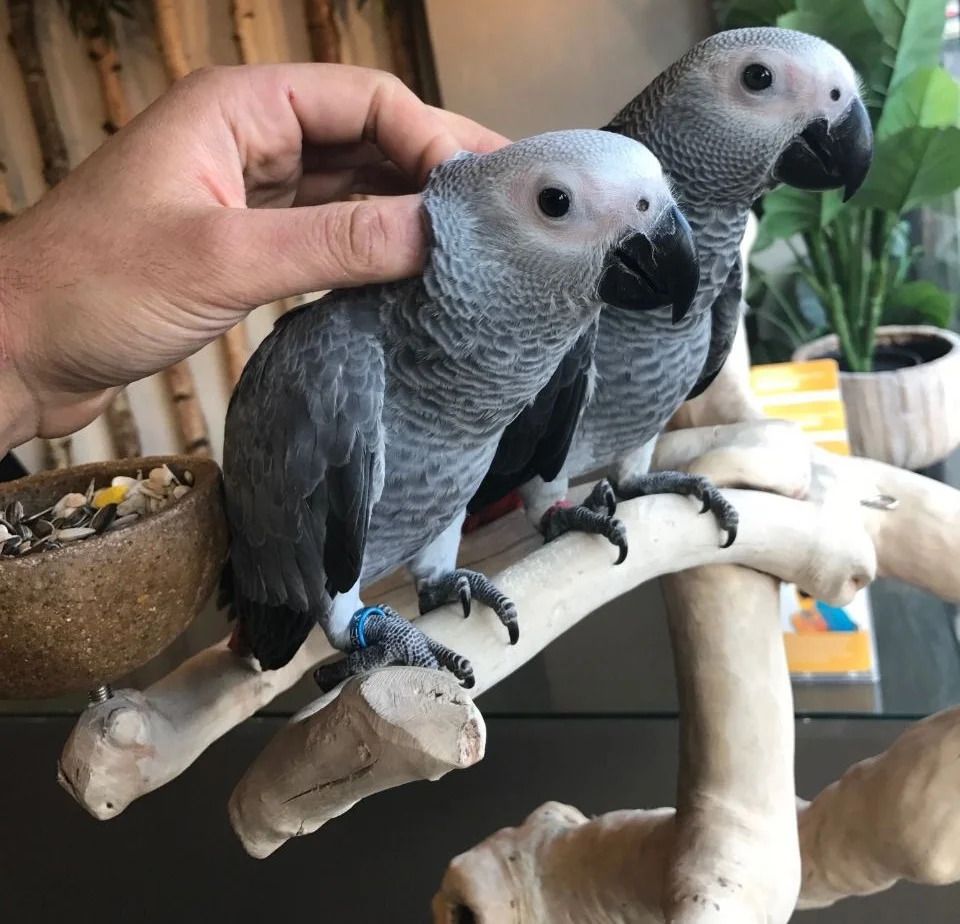 African greys form monogamous couples and lay eggs for 21 to 30 days. They care for their babies until they reach around 10 weeks old. They can fly, and are one of the most intelligent avian species. They have long lifespans and can often outlive their human owners, making them popular pets around the world.
They are extremely adaptive and can adapt to different environments. However, they prefer a natural setting with plenty of trees and perches. They can use their feet to balance and perch, with two faces back on each foot and caring For an grey parrot two facing forward on each foot, exactly as humans do. Their short beaks feature an upper mandible with a curvature that can be easily positioned over the lower mandible to aid in cracking open seeds and nuts and their powerful grip can cut through bark and wood.
In the wild, African greys will eat fruits, nuts, seeds and dark leafy greens as part of their balanced diet. However, seeds should make only 5percent of the total diet and should be supplemented by high-quality formulated pellets or crumbles that avoid pickiness. They should also be served with buy a grey parrot variety of fresh fruits, vegetables, and cooked beans and legumes. Water that is fresh and clean should always be available, and cages must be cleaned daily. If the diet isn't adequate, supplements like vitamin D or calcium may be required.
The World Parrot Trust is working hard to protect Grey and Timneh Parrots as well as their habitats. However, their populations are decreasing due to illegal trade. They are protected under the Endangered Species Act and the Wild Bird Conservation Act in the United States and receive the highest protection under CITES (International Trade in Species Controlled). Find out more about these incredible birds in our parrot encyclopedia!
Similar to toddlers, Gizmo newborn african grey parrot grey parrots can be bored quickly and require lots of mental stimulation to avoid problems with their behavior. They can be destructive or shout if they don't get enough mental stimulation.
Highly intelligent, they are arguably the most accurate mimics of all parrot species and can comprehend human speech. They are threatened by the trade in pets and habitat loss.
Feeding
The dietary needs of african grey for sale $200 greys are slightly different from other large psittacine species. While they are omnivores in the wild, they prefer seeds to fruit and vegetables.In captivity, they are more likely to eat fruit and leafy vegetables than seeds. They are also prone to calcium deficiencies and obesity which is why it is essential for owners to monitor the quality of their diets. Pellets or complete crumbles should make up 75% of a parrot's diet and it is recommended that they are purchased from reputable brands such as Harrisons, Murphy's or Vetafarm.
Ideally your diet should include a mix of pellets and fresh food. A good ratio is 60% pellets, 10% seeds and caring for an Grey parrot 30% fresh food. Kale, spinach and silverbeet are among the top choices. Also, native plants and sprouting grasses such as dandelion leaves sweetcorn and endive are good choices. However, you should avoid cruciferous vegetables like cauliflower and cabbage as they are high in oxalic acid. This can hinder the absorption of calcium in the body.
Nuts are a rich source of nutrients to your diet, but they should be consumed sparingly due to their fat content. They are high in protein, healthy fats as well as vitamins and minerals.
The rest of your diet should consist of the combination of vegetables and fruits. It is recommended to stay clear of avocado as it is toxic to psittacines. Other foods that are toxic include alcohol, chocolate, coffee and raw potatoes. If a parrot is consuming too many fruits, they may develop yeast problems in the gastrointestinal tract.
A balanced diet is the best method to keep your African grey parrot happy and healthy. It is important to monitor the bird's weight and introduce new foods in small amounts. The bird's weight is measured every day. This will allow you to quickly observe any changes and then correct them. It's also a great idea to offer the bird fresh water regularly. This will prevent dehydration and infections caused by bacteria. Food that is not consumed in the cage or in the play area could ruin the food and cause health issues for your bird.
Training
Parrots are easily taught to speak. However, it might take them days or even weeks to repeat the words they hear. A parrot who has been trained well can also do simple tricks and respond to cues. These activities keep a bird's mind stimulated and prevent them from becoming bored. Boredom can cause undesirable behaviors like feather picking or destructive chewing. These issues require intervention from a professional.
It is important to stop bonding in the bud as if a bird becomes completely attached to one person in a family it may become territorial and threatening to other members of the family. This can be very risky for elderly people, children or those suffering from allergies. To avoid this everyone in the household should spend some time every day playing and interacting with the parrot in different ways. This will allow the bird to become more comfortable with being touched by everyone in a family and reduce the likelihood that it will develop an overprotective behavior.
When a bird is bonded to a single person, it may bite and peck at family members or guests who attempt to handle or pet it. To avoid this family members should take turns in petting the bird or putting it into its cage. If a parrot displays aggressive behavior and is threatening to harm another bird, it should be placed back in its cage and not handled for a few minutes.
Be aware of "pinfeathers" or "blood feathers" during petting sessions. These feathers contain a blood supply, and can cause bleeding when they are they are brushed against. If a blood feather is found to be exposed, it must be removed immediately and replaced with a new feather.
In addition to a petting session, family members should be taught how to say hello and goodbye to the parrot. The bird should also be taught to identify food items and toys. This will make it easier to teach the bird to speak, and will also enable it to communicate with family members without being physically close to them.
Health
While the African grey is one of the most intelligent parrots in the world, it can become bored easily and will resort to destructive behavior when it is not provided with enough toys or other opportunities to exercise its brain. It also needs a great amount of mental stimulation in order to avoid self mutilation, excessive screaming and feather picking. Parrots are expensive pets to own. The initial costs are high, and they require constant new toys that get destroyed quickly. They can also be prone to infections that can be expensive to treat.
These social birds require lots of interaction with human counterparts, which includes hours of playtime involving games or puzzles, as well as lessons. They also need hours of exercise and free time each day to build strength and stay healthy. Their cage should be big enough to allow them to spread their wings and move freely from perch to perch. It should be made of nontoxic, non-toxic materials and clean. It should include a variety of kinds of perches, with different sizes and textures in order to change between them. A roost is likewise required typically made of concrete or a wooden perch in the corner of the cage.
Parrots need access to clean water throughout the day and is recommended to replenish it every day. They should be fed a variety of dark leafy greens and other vegetables and treats should be limited to 10 percent of their diet. You should also provide different nuts and seeds. Around 75% of their diet should be made up of high-quality crumbles or pellets.
The majority of parrot-related problems are caused by long-term nutritional imbalance. Minor problems will manifest as slow growth and development, bad quality plumage or breeding performance, while more significant changes will manifest as specific diseases. Many of these issues can be avoided with regular well-checks by an avian veterinarian and appropriate diet management.
Care
African greys require mental stimulation and lots of attention in order to be content. If a parrot is bored, it can display negative behaviors, such as aggression, self-mutilation or feather grabbing. To keep your pet healthy, it is important to regularly undergo veterinary exams, fecal testing and vaccinations.
African greys form monogamous couples and lay eggs for 21 to 30 days. They care for their babies until they reach around 10 weeks old. They can fly, and are one of the most intelligent avian species. They have long lifespans and can often outlive their human owners, making them popular pets around the world.They are extremely adaptive and can adapt to different environments. However, they prefer a natural setting with plenty of trees and perches. They can use their feet to balance and perch, with two faces back on each foot and caring For an grey parrot two facing forward on each foot, exactly as humans do. Their short beaks feature an upper mandible with a curvature that can be easily positioned over the lower mandible to aid in cracking open seeds and nuts and their powerful grip can cut through bark and wood.
In the wild, African greys will eat fruits, nuts, seeds and dark leafy greens as part of their balanced diet. However, seeds should make only 5percent of the total diet and should be supplemented by high-quality formulated pellets or crumbles that avoid pickiness. They should also be served with buy a grey parrot variety of fresh fruits, vegetables, and cooked beans and legumes. Water that is fresh and clean should always be available, and cages must be cleaned daily. If the diet isn't adequate, supplements like vitamin D or calcium may be required.
The World Parrot Trust is working hard to protect Grey and Timneh Parrots as well as their habitats. However, their populations are decreasing due to illegal trade. They are protected under the Endangered Species Act and the Wild Bird Conservation Act in the United States and receive the highest protection under CITES (International Trade in Species Controlled). Find out more about these incredible birds in our parrot encyclopedia!
댓글목록
등록된 댓글이 없습니다.