
You'll Be Unable To Guess Gas Fire Engineer's Benefits
페이지 정보
본문
What Does a Gas Fire Engineer Do?
Regularly having a gas fireplace maintained by an Gas Safe Registered engineer can help prevent carbon monoxide poisoning. CO is a poisonous and toxic gas that can trigger symptoms like headaches and nausea.
It is also crucial to designate evacuation zones in accordance with the risk assessment. This includes the blast radius and trajectory of projectiles. This lets the incident commander quickly assess the situation and distribute resources.
Job description
A gas fire engineer is responsible for inspecting maintaining and repairing gas fires and flues. They usually have a role in a fire service firm however some also work on their own. During an inspection, they inspect and clean each part of the fireplace as well as its flue. They will test for leaks, blockages, and the condition of the flue seal. They will also conduct an analyser test to ensure that the gas system is safe and that the flames are burning effectively. They will then send the owner a report in writing on their findings and suggest any work needed.
These engineers often work in homes of their customers, which is why they must have great interpersonal skills. They must be able to explain technical issues in a manner that is simple to comprehend and answer any questions a customer might have. They must be able think quickly and handle difficult situations. The service of your gas fireplace annually can prevent dangerous carbon monoxide leaks, and also help your home heat more effectively.
They also require mechanical skills, since their work requires them make use of tools and equipment in order to complete their duties. These skills include using hand tools, power tools and chain saws. They may have to climb ladders or work from high places. They'll need to be able handle heavy equipment, such as vehicles and hoses.
Participating in classes and exercises related to emergency services and hazardous materials, as well as fire prevention, as well as investigating fires are also part of the job. They must be able to follow verbal and written instructions quickly and precisely. They must be able to perform field calculations and the knowledge of hydraulics when it comes to the operation of firefighting vehicles. They should also be aware of departmental rules and policies. They are required to attend training sessions and firefighting apparatus demonstrations and take part in public education and station tours. They are also required to participate in emergency medical services and rescue.
Qualifications
If you're looking to become a gas fire engineer and are interested in the job, you must be able to undergo an extensive course of study and obtain the required qualifications. You'll need a solid understanding of maths and science as well as practical abilities in the use of hand tools. You should also have excellent communication skills, since you will often be working with customers in their homes. The best way to get started is to find a job that offers training and support for gaining your qualification.
After you have completed your apprenticeship, you will need to become registered with the Gas Safe Register. This will allow you work legally with gas appliances and will protect you from prosecution should you cause damage. This registration is valid for five-years and is required if you want to work as a Gas Engineer.
There are several routes to becoming a qualified lpg gas engineer near me fire engineer (recent humanlove.stream blog post). Apprenticeships are the traditional method that combines on-the-job training with a planned study program. They can be a lengthy road to qualification and not everyone will be able to find them suitable. You can also enroll in an online course that is managed. This type of training is available across the country and offers a more flexible, accessible alternative to traditional apprenticeship.
To work on gas appliances and fires, you must also be certified. You can do this by completing the Level 3 Diploma, which comprises a series of work-based, centre-based and practical assessments. When you have completed the course, you'll be awarded an ACS certificate. This is proof that you've been properly trained and supervised to work on select gas appliances.
Once you have the necessary qualifications, you can begin your career as a Gas Engineer. Certain jobs will require more work, for instance, installing a new boiler gas engineer. Since many jobs are not supervised you will require strong organisational skills. You will need to keep track of your own paperwork and ensure you have the right tools for the job at hand.
Work environment
Gas engineers work in a challenging and hazardous environment. It requires physical strength and an unwavering work ethic. It also requires the ability to handle difficult situations with diplomatic respect. It requires a thorough knowledge of safety procedures, including the detection and mitigation of hazards. Studying industry publications and taking professional development courses can help improve an engineer's safety procedures knowledge.
commercial gas engineer near me engineers must be ready for emergency callouts that may occur at any time of the day or night. This requires a flexible schedule and the capability to work outside normal working hours. Some gas engineers opt to be independent contractors, while others work in a firm.
Health and safety are essential for any occupation however they are especially important for those who work with hazardous materials. Gas fire engineers must be able to recognize and reduce the risk of their work, which could include explosives, toxic gases, and mechanical hazards from equipment. They must also be aware of how their actions might affect others, including staff on the site as well as members of public.
Another possible risk is carbon monoxide poisoning. It can cause a loss of consciousness and dizziness if inhaled. It is produced when natural gas is not fully burned. It is a possibility to build up in enclosed spaces. Engineers should make sure that their workplace is properly ventilated and employ gas detection devices to monitor CO levels.
Other dangers include musculoskeletal injuries when handling awkward and heavy objects, and eye injuries caused by flying debris. The maintenance of personal protective equipment is important, and gas engineers should regularly check their helmets to ensure the structure, chin strap, and visor are in good shape. Gas engineers should wear protective gloves and facemasks to prevent contact with flammable materials.
Gas engineers travel a lot. This can mean that they need to be away from their homes for long periods, and it is important to have a strong mobile phone signal so they can communicate with family and colleagues.
Career Opportunities
The career opportunities available to gas fire engineers are various roles in both private and public sector jobs. They can jobs in the areas of wildfire management and fire protection, risk reduction and environmental protection. They may also opt to specialize in a specific area of the field. These may include building construction, fire dynamics, mechanical systems and mechanical systems. They can decide to focus on the properties and uses of foam for fighting fires.
Based on the specific skills that are required, the education level, and any certificates or licenses, the salary for gas fire engineer this position may vary significantly. The compensation range is determined by internal equity, market values and other significant aspects for the local community.
 The average salary of a corgi gas engineer fire engineering in New York is $85,438. This salary can vary depending on factors like the size of the business and the location. Visit the Professional Salary Report to learn more about salaries in your region. This site offers a range of salary information, including information on education levels and other important information that will help you determine the best pay for the job you're applying for.
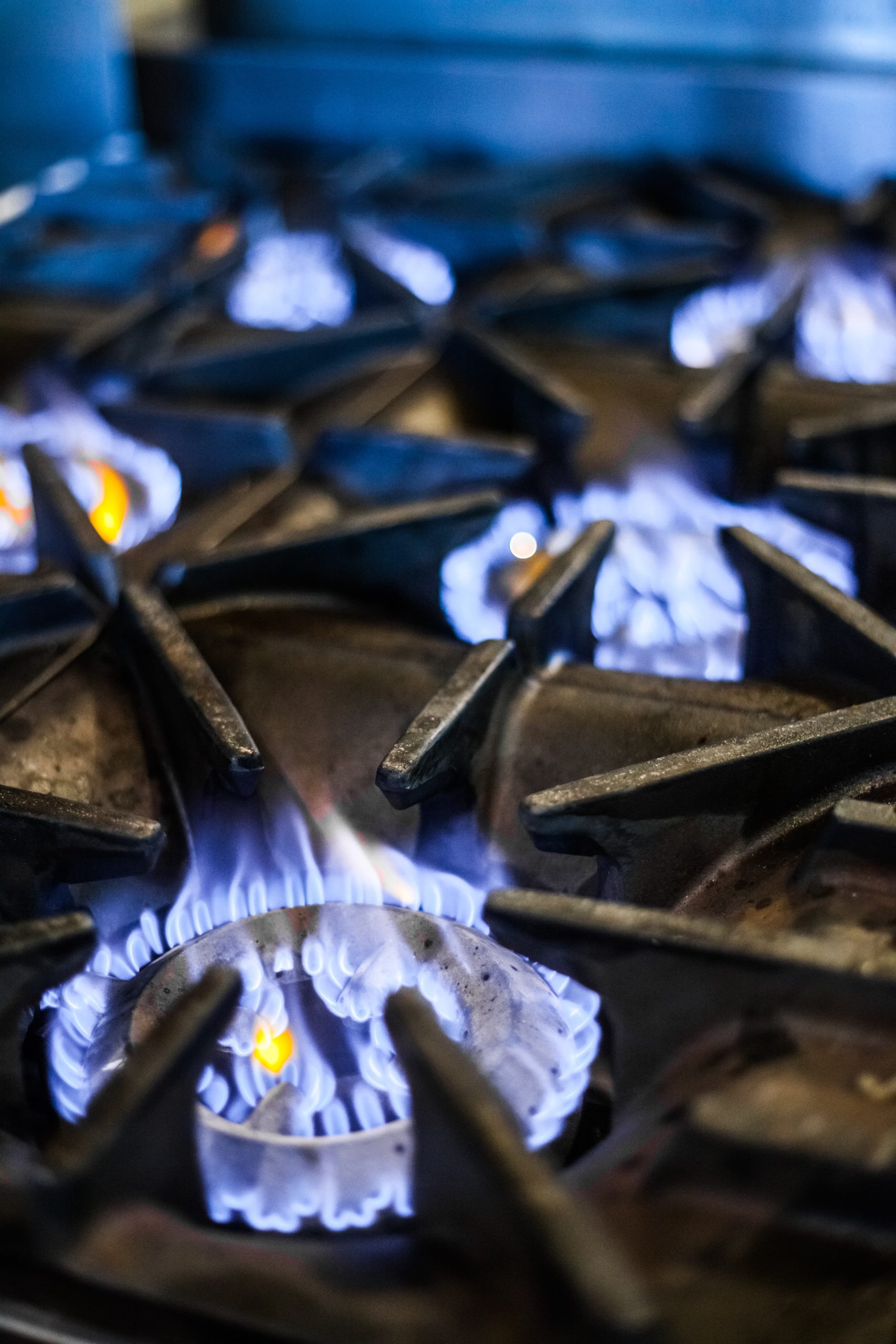
Regularly having a gas fireplace maintained by an Gas Safe Registered engineer can help prevent carbon monoxide poisoning. CO is a poisonous and toxic gas that can trigger symptoms like headaches and nausea.
It is also crucial to designate evacuation zones in accordance with the risk assessment. This includes the blast radius and trajectory of projectiles. This lets the incident commander quickly assess the situation and distribute resources.
Job description
A gas fire engineer is responsible for inspecting maintaining and repairing gas fires and flues. They usually have a role in a fire service firm however some also work on their own. During an inspection, they inspect and clean each part of the fireplace as well as its flue. They will test for leaks, blockages, and the condition of the flue seal. They will also conduct an analyser test to ensure that the gas system is safe and that the flames are burning effectively. They will then send the owner a report in writing on their findings and suggest any work needed.
These engineers often work in homes of their customers, which is why they must have great interpersonal skills. They must be able to explain technical issues in a manner that is simple to comprehend and answer any questions a customer might have. They must be able think quickly and handle difficult situations. The service of your gas fireplace annually can prevent dangerous carbon monoxide leaks, and also help your home heat more effectively.
They also require mechanical skills, since their work requires them make use of tools and equipment in order to complete their duties. These skills include using hand tools, power tools and chain saws. They may have to climb ladders or work from high places. They'll need to be able handle heavy equipment, such as vehicles and hoses.
Participating in classes and exercises related to emergency services and hazardous materials, as well as fire prevention, as well as investigating fires are also part of the job. They must be able to follow verbal and written instructions quickly and precisely. They must be able to perform field calculations and the knowledge of hydraulics when it comes to the operation of firefighting vehicles. They should also be aware of departmental rules and policies. They are required to attend training sessions and firefighting apparatus demonstrations and take part in public education and station tours. They are also required to participate in emergency medical services and rescue.
Qualifications
If you're looking to become a gas fire engineer and are interested in the job, you must be able to undergo an extensive course of study and obtain the required qualifications. You'll need a solid understanding of maths and science as well as practical abilities in the use of hand tools. You should also have excellent communication skills, since you will often be working with customers in their homes. The best way to get started is to find a job that offers training and support for gaining your qualification.
After you have completed your apprenticeship, you will need to become registered with the Gas Safe Register. This will allow you work legally with gas appliances and will protect you from prosecution should you cause damage. This registration is valid for five-years and is required if you want to work as a Gas Engineer.
There are several routes to becoming a qualified lpg gas engineer near me fire engineer (recent humanlove.stream blog post). Apprenticeships are the traditional method that combines on-the-job training with a planned study program. They can be a lengthy road to qualification and not everyone will be able to find them suitable. You can also enroll in an online course that is managed. This type of training is available across the country and offers a more flexible, accessible alternative to traditional apprenticeship.
To work on gas appliances and fires, you must also be certified. You can do this by completing the Level 3 Diploma, which comprises a series of work-based, centre-based and practical assessments. When you have completed the course, you'll be awarded an ACS certificate. This is proof that you've been properly trained and supervised to work on select gas appliances.
Once you have the necessary qualifications, you can begin your career as a Gas Engineer. Certain jobs will require more work, for instance, installing a new boiler gas engineer. Since many jobs are not supervised you will require strong organisational skills. You will need to keep track of your own paperwork and ensure you have the right tools for the job at hand.
Work environment
Gas engineers work in a challenging and hazardous environment. It requires physical strength and an unwavering work ethic. It also requires the ability to handle difficult situations with diplomatic respect. It requires a thorough knowledge of safety procedures, including the detection and mitigation of hazards. Studying industry publications and taking professional development courses can help improve an engineer's safety procedures knowledge.
commercial gas engineer near me engineers must be ready for emergency callouts that may occur at any time of the day or night. This requires a flexible schedule and the capability to work outside normal working hours. Some gas engineers opt to be independent contractors, while others work in a firm.
Health and safety are essential for any occupation however they are especially important for those who work with hazardous materials. Gas fire engineers must be able to recognize and reduce the risk of their work, which could include explosives, toxic gases, and mechanical hazards from equipment. They must also be aware of how their actions might affect others, including staff on the site as well as members of public.
Another possible risk is carbon monoxide poisoning. It can cause a loss of consciousness and dizziness if inhaled. It is produced when natural gas is not fully burned. It is a possibility to build up in enclosed spaces. Engineers should make sure that their workplace is properly ventilated and employ gas detection devices to monitor CO levels.
Other dangers include musculoskeletal injuries when handling awkward and heavy objects, and eye injuries caused by flying debris. The maintenance of personal protective equipment is important, and gas engineers should regularly check their helmets to ensure the structure, chin strap, and visor are in good shape. Gas engineers should wear protective gloves and facemasks to prevent contact with flammable materials.
Gas engineers travel a lot. This can mean that they need to be away from their homes for long periods, and it is important to have a strong mobile phone signal so they can communicate with family and colleagues.
Career Opportunities
The career opportunities available to gas fire engineers are various roles in both private and public sector jobs. They can jobs in the areas of wildfire management and fire protection, risk reduction and environmental protection. They may also opt to specialize in a specific area of the field. These may include building construction, fire dynamics, mechanical systems and mechanical systems. They can decide to focus on the properties and uses of foam for fighting fires.
Based on the specific skills that are required, the education level, and any certificates or licenses, the salary for gas fire engineer this position may vary significantly. The compensation range is determined by internal equity, market values and other significant aspects for the local community.
The average salary of a corgi gas engineer fire engineering in New York is $85,438. This salary can vary depending on factors like the size of the business and the location. Visit the Professional Salary Report to learn more about salaries in your region. This site offers a range of salary information, including information on education levels and other important information that will help you determine the best pay for the job you're applying for.댓글목록
등록된 댓글이 없습니다.