
Some Of The Most Common Mistakes People Make When Using Non Folding Tr…
페이지 정보
본문
The Comprehensive Guide to Non-Folding Treadmills
In the world of fitness devices, treadmills have long been a staple for both home and business health clubs. Among the variety of treadmills readily available in the market, non-folding treadmills have gotten appeal due to their resilience, stability, and advanced functions. This post will look into the benefits of non-folding treadmills, their essential functions, contrasts with folding models, and FAQs to guide prospective purchasers.
What are Non-Folding Treadmills?
Non-folding treadmills, as the name suggests, are devices that do not fold for storage. They are bigger and typically more substantial than their folding counterparts. Typically used in fitness centers, physical treatment centers, and serious home physical fitness setups, these treadmills provide a variety of functions that cater to extreme workout sessions.
Key Features of Non-Folding Treadmills
| Feature | Description |
|---|---|
| Stability | Much heavier frames supply much better stability during workouts. |
| Resilience | Designed to endure heavy use without jeopardizing efficiency. |
| Advanced Technology | Often geared up with advanced display screens, heart rate screens, and workout programs. |
| Motor Power | Usually have more effective motors, boosting speed and slope abilities. |
| Running Surface | Typically provide longer and wider running surface areas for a more comfy exercise. |
| Noise Level | More robust building and construction frequently leads to quieter operation. |
Advantages of Non-Folding Treadmills
While both folding and non-folding treadmills have their place in the physical fitness landscape, non-folding treadmills come with distinct benefits:
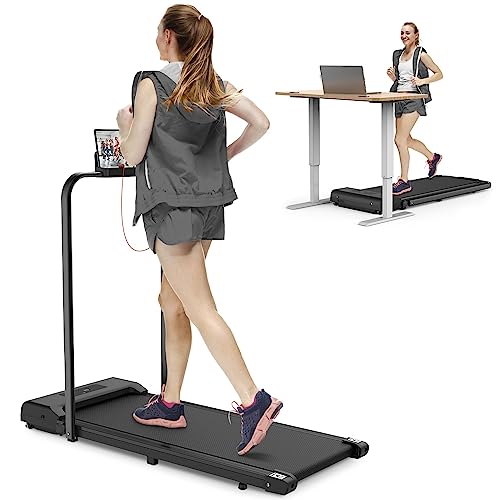
Stability and Support: The solid frame building and construction offers more stability, making them perfect for high-intensity exercises and users who weigh more.
Resilience: Built for heavy usage, non-folding treadmills are less most likely to wear with time. Their robust style can deal with long-term, constant usage without considerable decrease in efficiency.
Larger Running Surface: With a more spacious running area, these machines accommodate users of all sizes and running designs, allowing for better stride and comfort.
Advanced Features: Many non-folding models feature sophisticated technology, including touchscreens, Bluetooth connection, and different built-in exercise programs to enhance user experience.
Less Maintenance: With fewer moving parts since they do not fold, there is typically less upkeep needed. This can result in a much better total user experience in the long term.
Non-Folding vs. Folding Treadmills
To better comprehend the advantages of non-folding treadmills, let's compare them with folding models:
| Feature | Non-Folding Motorised Treadmill | Folding Treadmill |
|---|---|---|
| Stability | High | Moderate to Low |
| Sturdiness | Outstanding | Varies by design |
| Footprint | Larger when in use | Space-saving style |
| Portability | Restricted | High (can be wheeled away) |
| Price Range | Mid to High | Lower to Mid |
| Use | Perfect for severe users | Suitable for casual use |
Purchasing Considerations
When thinking about a non-folding Treadmill Manual, several key factors ought to be taken into consideration:
Space: Ensure that you have adequate area, as non-folding treadmills need a larger footprint compared to folding models.
Usage: Assess how frequently you mean to use the treadmill. For people who plan on frequent exercises, investing in a quality Non Motorised Treadmill-folding treadmill might be a rewarding choice.
Functions: Determine which includes matter most to you. Some users may prioritize integrated workout programs, while others may be more thinking about efficiency metrics.
Budget plan: Non-folding treadmills can range from affordable to rather pricey. Set a budget that aligns with the functions that matter to you.
Guarantee and Support: Look for brand names that use a strong guarantee and customer support to guarantee peace of mind with your purchase.
Frequently Asked Questions About Non-Folding Treadmills
Q: Are non-folding treadmills ideal for beginners?A: Yes, non-folding treadmills can be ideal for novices, particularly those who prepare on making running or walking a routine part of their routine. Their stability and functions assist in a safe and comfortable workout experience. Q: How much area do I require for a non-folding
treadmill?A: Non-folding treadmills typically require more space than folding designs. A great guideline is to make sure a clearance of at least 3 feet on all sides for security and ease of motion. Q: Are non-folding treadmills more expensive than folding ones?A: Generally, Non Motorized Treadmill-folding treadmills can
be more costly than folding designs. Nevertheless, the investment often reflects the
enhanced durability, stability, and advanced functions. Q: Can I use a non-folding treadmill for walking and running?A: Absolutely. Non-folding treadmills are versatile and can accommodate both
walking and running workouts, frequently supplying numerous speed and slope alternatives. Q: How do I maintain a non-folding treadmill - cms.bytesinmotion.com,?A: Maintenance for non-folding treadmills consists of routine cleansing of the running belt, oiling the motor and belt as suggested by the producer, and guaranteeing the machine is positioned on a flat surface for stability. In summary, non-folding treadmills offer a robust and long lasting alternative for physical fitness connoisseurs looking for a steady and feature-rich machine. They are particularly ideal for those who prepare to utilize them regularly and value
sophisticated technology in their exercises. Although they may require a bigger financial investment and footprint, the benefits they supply typically surpass the costs. When picking the best treadmill, users should consider their fitness objectives, offered space, and personal choices to ensure they invest in the right devices for their requirements.
댓글목록
등록된 댓글이 없습니다.