
What's The Job Market For Confined Space Containers Professionals?
페이지 정보
본문
Customizing Confined Space Containers (king-wifi.win)
Constrained spaces include the sewer tank, or a large underground excavated area. Often times they are closed off, have limited access and could be hazardous to get into.
This equipment is designed to reduce and reduce the risk. It includes monitoring of the atmosphere and personal protective equipment, emergency response procedures and training.
Safety
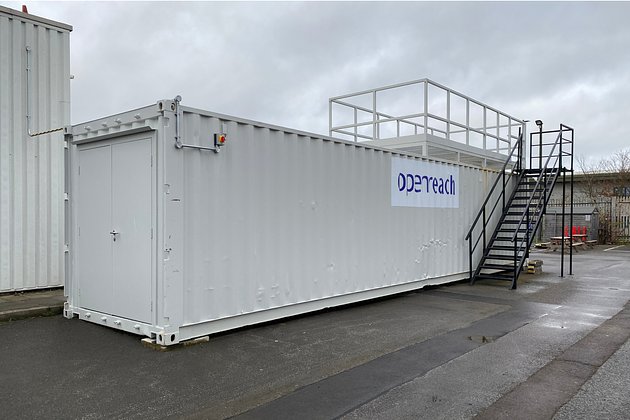 Closed space equipment is designed to protect workers from a variety of hazards that they may encounter while working or entering within confined areas. This includes everything from sensors that detect hazardous environments to rescue and retrieval systems that are used for helping incapacitated workers.
There are many factors that go into identifying and evaluating potential hazards in enclosed spaces, such as the possibility for gases or liquids to drown or suffocate an intruder, internal structures that could trap an entrant, such as walls or floors that converge inwards tapering to a smaller cross-section (for instance, hoppers bins, tanks) and other environmental issues like steam hazards. Even a small error can cause a catastrophe in the case of confined spaces.
The first step to entering confined spaces is to conduct an entry assessment. This will identify and evaluate any potential or real hazards. This may include ensuring that the oxygen levels are safe (21 percent or more) and that flammable gasses or toxic gasses are not present. If the space is considered hazardous, an entry permit must be issued, and the entry portal clearly displayed with permit details and pre-entry briefing. Test results should be displayed. Before entering, ventilation must be provided either through forced ventilation (such as through the narrowest of openings) or natural ventilation. This should continue until the tests show that the inside air is breathable - containing 21% oxygen and void of gaseous or flammable gases.
In addition to making sure that everyone who is in the space is properly prepared for the task, it's vital to ensure that a standby person is available to respond quickly in the event that something goes wrong. Effective communication is also critical to avoid injuries and accidents. This is why it's crucial to utilize radios or other reliable methods to keep in touch with those working within the space, as well as the standby person, and to establish clear communications protocols.
Using Shipping Containers Refrigerated Containers for training purposes isn't just restricted to marine safety, but mining, construction, and emergency services also benefiting from the simulations they can train in without risking their lives. It is particularly beneficial for firefighters to learn how to work in tight or restricted areas, especially when wearing heavy fireproof equipment.
Training
It is crucial that workers are aware of what to expect prior to entering a confined area. It is essential to practice in a safe and simulated environment. Pilots of airlines, for example are trained in flight simulators before ever taking the controls of an actual 747. Similar is the case for mining and emergency service professionals.
Training in enclosed spaces is an important part of a worker's safety procedure, and 6ft Shipping Containers Conversions Containers are great for training various scenarios. Firefighters can, for example make use of a container to practice entering and exiting tight passages while they rescue people who are in danger. This kind of training helps them react quickly in a crisis and also increases their confidence by permitting them to practice and develop their techniques prior to having to put their skills into action when they are on the job.
The training process not only helps workers understand the equipment they will need for their rescue operation but also prepares them to face the dangers that can arise from working in confined space. This allows them to select the best and most appropriate equipment for the task that they are assigned. It is also crucial to be aware of the specific risks associated with working in a tight space for instance, areas that have low or high oxygen levels, areas that contain toxic gases fogs, mists, or mists that could reduce visibility.
Another thing to keep in mind is the different types of rescue situations that could occur. These situations can include an employee who is stuck or injured, or an accident, or fire. To prevent these situations from occurring, it's important to maintain clear communication with the attendants outside the enclosed space. Also, make sure you be prepared with all the essential emergency items available.
It is crucial to keep in mind that OSHA requires that all individuals who enter or attend confined spaces requiring a permit complete a Confined-Space Awareness Training course. This course outlines OSHA's general requirements for enclosed spaces and explains how the permit program can help ensure workers' safety. Additionally, the course highlights the importance of having a clearly defined rescue plan and identifies who is responsible for the person who enters and the attendant of the confined space.
Emergency Response
Confined space rescue and recovery procedures are a complex, risky, and unique. They have to consider many different types hazards like restricted access and exits (low oxygen levels, toxic or explosive gases and mechanical dangers), structural instability (such collapsed walls) as well as engulfment hazards (liquids and grains that can imprison workers and cause them to die) and limited egress.
Before anyone is allowed to enter the confined space, a comprehensive risk assessment should be conducted to determine potential dangers, entry and exit points, difficulties in rescue, as well as emergency procedures. This includes checking the air for hazardous gases as well as identifying the rescue equipment required (such as winches, retrieval systems, and personal protective equipment, such as self-contained breathing apparatus), and establishing protocols for communication to ensure that the people inside the confined space as well as external support personnel have clear communication channels.
The risk assessment should also include any plant in or around the restricted space, since it might need to be shut down prior to entering. Arrangements should be made to do this safely and to provide the necessary instruction to all personnel involved.
It is crucial that a team of well-trained experienced, skilled and equipped rescuers are always on the watch, ready to respond to any emergency that could occur. They should be familiar with the rescue plan for confined spaces and should regularly practice rescue exercises to help them become more familiar with the physical demands of working in a confined space and the emotional challenges of stressful situations.
It is also essential that a competent person is appointed to supervise the confined space rescue and recovery operation and be given complete accountability for the effectiveness of the emergency response and all related actions. The person in charge should be familiar with the Incident Command System (ICS), as it provides an essential framework for managing personnel and resources in the event of a crisis, enhancing decision-making and reducing risk. Regularly scheduled simulation exercises can help to pinpoint any issues that may arise with the ICS structure or with specific rescue and recovery plans. The improvements will increase safety, improve the decision-making processes, and help to reduce the number of deaths and injuries caused by incidents in confined spaces.
Customization
Customizing a storage box is infinite. These portable structures can be customized to meet a variety of requirements, from office space to large machines. Containers can transform into unique offices, event spaces, or used to shield equipment from theft, weather, and insects. It is crucial to consider your business's needs when creating a customized workspace. This will help you create an efficient workspace that will meet your goals and budget.
Insulation is a frequent modification. Insulation is not only comfortable but also blocks heat transfer and improves efficiency. Insulation is available in a variety of forms such as spray foam and rigid foam panels. It is also possible to add windows and doors to increase security and visibility. These modifications can be easily put in place by a professional.
Installing electrical outlets and wiring is another important modification. This allows for the use of computers as well as other electrical devices within your office container. It is also useful to install overhead lighting for a more natural look. You can also include an AC unit to regulate the temperature and cool your home. They are available in a variety of sizes and are able to be fitted with security cages to safeguard your investment.
Customized containers aren't just vessels; they function as essential instruments for streamlining logistics processes, enhancing handling precision, and providing tailored solutions for specific cargo. Brands can create immersive experiences by using techniques to modify containers. This transforms customer engagement into brand loyalty. These unique spaces can be an effective marketing tool that will communicate your brand's values every mile.
30ft Shipping Containers container modification options are extremely diverse and include everything from doors to electrical systems. These modifications can sometimes be reversed so it is important to plan well. To make an informed decision it's essential to compare the costs of DIY and professional services. Professionals can assist with layout, design and help you with your project to customize.
Constrained spaces include the sewer tank, or a large underground excavated area. Often times they are closed off, have limited access and could be hazardous to get into.
This equipment is designed to reduce and reduce the risk. It includes monitoring of the atmosphere and personal protective equipment, emergency response procedures and training.
Safety
Closed space equipment is designed to protect workers from a variety of hazards that they may encounter while working or entering within confined areas. This includes everything from sensors that detect hazardous environments to rescue and retrieval systems that are used for helping incapacitated workers.There are many factors that go into identifying and evaluating potential hazards in enclosed spaces, such as the possibility for gases or liquids to drown or suffocate an intruder, internal structures that could trap an entrant, such as walls or floors that converge inwards tapering to a smaller cross-section (for instance, hoppers bins, tanks) and other environmental issues like steam hazards. Even a small error can cause a catastrophe in the case of confined spaces.
The first step to entering confined spaces is to conduct an entry assessment. This will identify and evaluate any potential or real hazards. This may include ensuring that the oxygen levels are safe (21 percent or more) and that flammable gasses or toxic gasses are not present. If the space is considered hazardous, an entry permit must be issued, and the entry portal clearly displayed with permit details and pre-entry briefing. Test results should be displayed. Before entering, ventilation must be provided either through forced ventilation (such as through the narrowest of openings) or natural ventilation. This should continue until the tests show that the inside air is breathable - containing 21% oxygen and void of gaseous or flammable gases.
In addition to making sure that everyone who is in the space is properly prepared for the task, it's vital to ensure that a standby person is available to respond quickly in the event that something goes wrong. Effective communication is also critical to avoid injuries and accidents. This is why it's crucial to utilize radios or other reliable methods to keep in touch with those working within the space, as well as the standby person, and to establish clear communications protocols.
Using Shipping Containers Refrigerated Containers for training purposes isn't just restricted to marine safety, but mining, construction, and emergency services also benefiting from the simulations they can train in without risking their lives. It is particularly beneficial for firefighters to learn how to work in tight or restricted areas, especially when wearing heavy fireproof equipment.
Training
It is crucial that workers are aware of what to expect prior to entering a confined area. It is essential to practice in a safe and simulated environment. Pilots of airlines, for example are trained in flight simulators before ever taking the controls of an actual 747. Similar is the case for mining and emergency service professionals.
Training in enclosed spaces is an important part of a worker's safety procedure, and 6ft Shipping Containers Conversions Containers are great for training various scenarios. Firefighters can, for example make use of a container to practice entering and exiting tight passages while they rescue people who are in danger. This kind of training helps them react quickly in a crisis and also increases their confidence by permitting them to practice and develop their techniques prior to having to put their skills into action when they are on the job.
The training process not only helps workers understand the equipment they will need for their rescue operation but also prepares them to face the dangers that can arise from working in confined space. This allows them to select the best and most appropriate equipment for the task that they are assigned. It is also crucial to be aware of the specific risks associated with working in a tight space for instance, areas that have low or high oxygen levels, areas that contain toxic gases fogs, mists, or mists that could reduce visibility.
Another thing to keep in mind is the different types of rescue situations that could occur. These situations can include an employee who is stuck or injured, or an accident, or fire. To prevent these situations from occurring, it's important to maintain clear communication with the attendants outside the enclosed space. Also, make sure you be prepared with all the essential emergency items available.
It is crucial to keep in mind that OSHA requires that all individuals who enter or attend confined spaces requiring a permit complete a Confined-Space Awareness Training course. This course outlines OSHA's general requirements for enclosed spaces and explains how the permit program can help ensure workers' safety. Additionally, the course highlights the importance of having a clearly defined rescue plan and identifies who is responsible for the person who enters and the attendant of the confined space.
Emergency Response
Confined space rescue and recovery procedures are a complex, risky, and unique. They have to consider many different types hazards like restricted access and exits (low oxygen levels, toxic or explosive gases and mechanical dangers), structural instability (such collapsed walls) as well as engulfment hazards (liquids and grains that can imprison workers and cause them to die) and limited egress.
Before anyone is allowed to enter the confined space, a comprehensive risk assessment should be conducted to determine potential dangers, entry and exit points, difficulties in rescue, as well as emergency procedures. This includes checking the air for hazardous gases as well as identifying the rescue equipment required (such as winches, retrieval systems, and personal protective equipment, such as self-contained breathing apparatus), and establishing protocols for communication to ensure that the people inside the confined space as well as external support personnel have clear communication channels.
The risk assessment should also include any plant in or around the restricted space, since it might need to be shut down prior to entering. Arrangements should be made to do this safely and to provide the necessary instruction to all personnel involved.
It is crucial that a team of well-trained experienced, skilled and equipped rescuers are always on the watch, ready to respond to any emergency that could occur. They should be familiar with the rescue plan for confined spaces and should regularly practice rescue exercises to help them become more familiar with the physical demands of working in a confined space and the emotional challenges of stressful situations.
It is also essential that a competent person is appointed to supervise the confined space rescue and recovery operation and be given complete accountability for the effectiveness of the emergency response and all related actions. The person in charge should be familiar with the Incident Command System (ICS), as it provides an essential framework for managing personnel and resources in the event of a crisis, enhancing decision-making and reducing risk. Regularly scheduled simulation exercises can help to pinpoint any issues that may arise with the ICS structure or with specific rescue and recovery plans. The improvements will increase safety, improve the decision-making processes, and help to reduce the number of deaths and injuries caused by incidents in confined spaces.
Customization
Customizing a storage box is infinite. These portable structures can be customized to meet a variety of requirements, from office space to large machines. Containers can transform into unique offices, event spaces, or used to shield equipment from theft, weather, and insects. It is crucial to consider your business's needs when creating a customized workspace. This will help you create an efficient workspace that will meet your goals and budget.
Insulation is a frequent modification. Insulation is not only comfortable but also blocks heat transfer and improves efficiency. Insulation is available in a variety of forms such as spray foam and rigid foam panels. It is also possible to add windows and doors to increase security and visibility. These modifications can be easily put in place by a professional.
Installing electrical outlets and wiring is another important modification. This allows for the use of computers as well as other electrical devices within your office container. It is also useful to install overhead lighting for a more natural look. You can also include an AC unit to regulate the temperature and cool your home. They are available in a variety of sizes and are able to be fitted with security cages to safeguard your investment.
Customized containers aren't just vessels; they function as essential instruments for streamlining logistics processes, enhancing handling precision, and providing tailored solutions for specific cargo. Brands can create immersive experiences by using techniques to modify containers. This transforms customer engagement into brand loyalty. These unique spaces can be an effective marketing tool that will communicate your brand's values every mile.
30ft Shipping Containers container modification options are extremely diverse and include everything from doors to electrical systems. These modifications can sometimes be reversed so it is important to plan well. To make an informed decision it's essential to compare the costs of DIY and professional services. Professionals can assist with layout, design and help you with your project to customize.
댓글목록
등록된 댓글이 없습니다.