
15 Of The Most Popular Why Are The Glaceous Macaw And Hyancith Macaw S…
페이지 정보
본문
Why Are the Hyacinth Macaw and Glaucous Macaw So Similar?
These two bird species, despite their differences, have similar evolutionary histories. Their dependence on the palm swamps to nest and roost emphasizes the interconnectedness between the natural world and the importance of conserving habitats that are endangered.
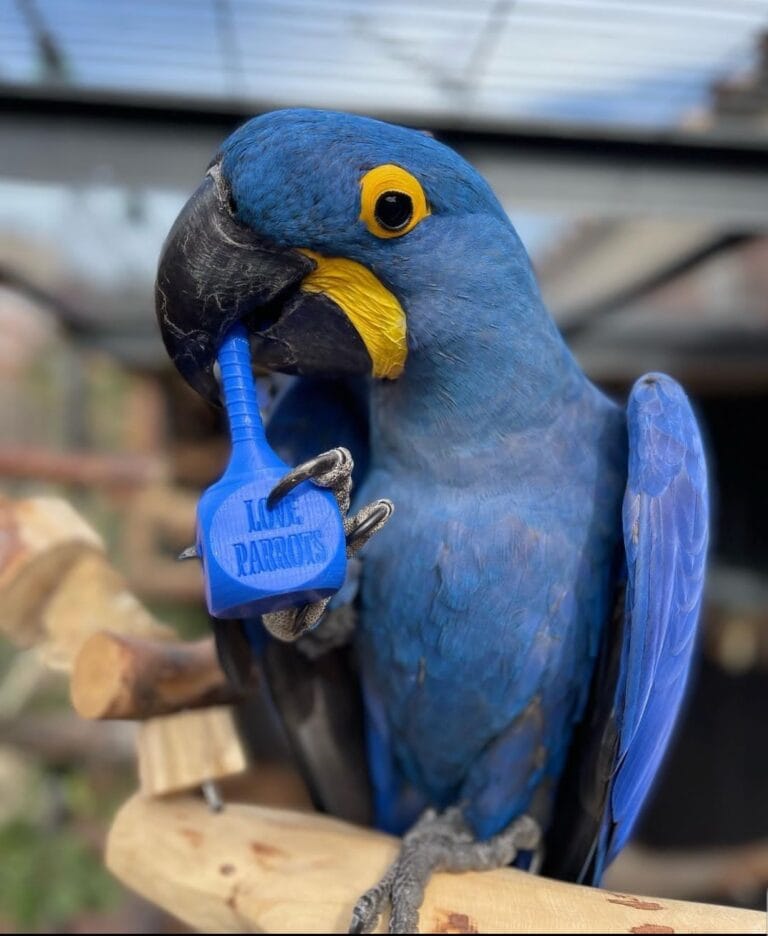
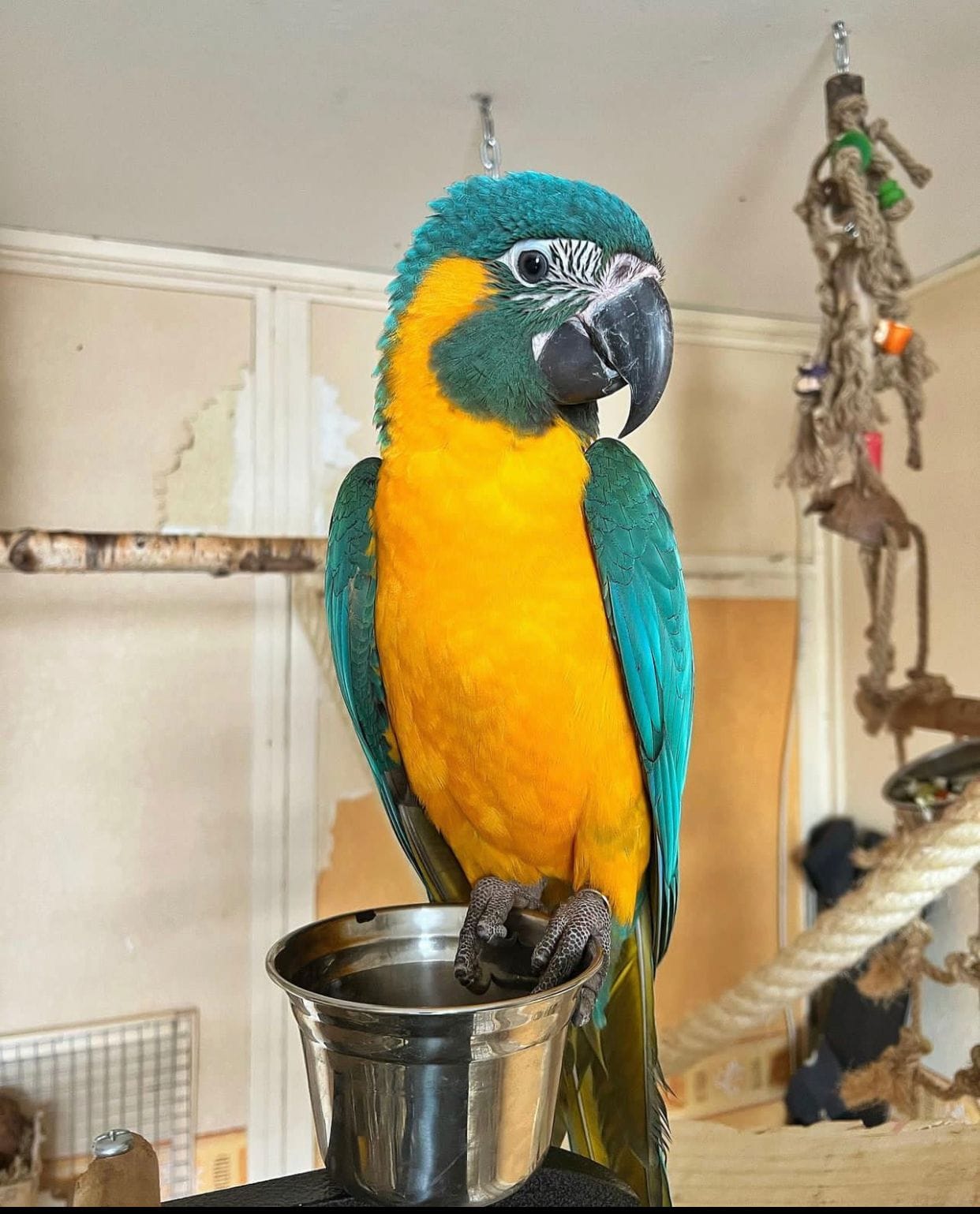 With its bright blue plumage and distinctive yellow accents the macaw hyacinth macaw cost (your input here) is recognizable. Its beak, which appears be smiling is capable of tearing coconuts and brazil nuts.
The hyacinth macaw lifespan Macaw
The hyacinth macaw is a stunning bird that is also the largest parrot. It's striking blue with a pop of yellow around the eyes and lower beak, which can make them appear to be smiling. It has short, sturdy legs that permit it to hang upside down or sideways and a huge hooked beak, which is specifically designed to break open coconuts. They are social and intelligent and tend to stay with the same person throughout their lives.
Hyacinth macaws are not migratory and their distribution is closely linked to the availability of specific palm species that are their primary food source. This is the main difference between macaws, and other parrots that are typically migratory.
A significant portion of the diet of hyacinth Macaws is made up of nuts from native palm trees, specifically the acuri and the bocaiuva. Their powerful beaks permit them to crack open these seeds. They also eat fruits and other plant materials.
They are non-migratory and their population is dependent on the availability and quality of acuri and Bocaiuva Palms, which provide them with their primary source of food. This is a major difference between macaws, and other parakeets that tend to be migratory.
The hyacinth macaw is an animal that can be found in areas with less dense forest such as palm swamps or grasslands that are flooded. The vast majority (90 90 percent) of the hyacinth Macaw population lives in the Pantanal region, the largest wetland of tropical origin in Brazil.
Like all birds they are monogamous. They select one partner when they are about 3-4 years old and stay with them for their entire life. They are extremely social animals and often interact with humans, but it is crucial to remember that they are wild animals and should never be taken out of their natural habitat.
If you're looking to spend time with an intelligent, beautiful, spirited creature that can imitate your words, you should consider adopting a pet parrot from an aviculturist that breeds these incredible animals. It is a big responsibility to take care of these beautiful creatures, and the best way to support their future in captivity is to find an experienced, responsible and reliable Aviculturist who is responsible and trustworthy.
The Glaucous Macaw
The Glaucous Macaw, or Ara Glaucus, is among the most colorful birds in the Amazon basin. The large parrot has blue top parts and yellow underparts. It is found in the forests of tropical South America. The bird is extremely scarce and is classified as Critically endangered. The main cause of the decline of this bird is probably the trapping and sale of adult birds in the market for wild birds, as well as the wholesale cutting down of the yatay (Butia) palms.
The name of this bird comes from its strikingly blueish hue. It can be described in terms of pale turquoise to azure. The underparts of the bird have a yellowish hue, while its head is grey. It is smaller than the Lear's macaw as well as more slimmer than the hyacinth macaw.
In addition to being a beautiful bird, the glaucous macaw has also become a symbol of hope for people living in the Amazon Basin. It is hoping that the glaucous Macaw will soon be discovered in the wild and populations can be restored to ensure the continued existence of this spectacular species.
Although the glaucous Macaw was thought to be extinct, a number alleged reappearances have occurred over the years. In February 1992, a female specimen was found at Customs in Britain. It was a bird that was kept in a few of the most famous zoos. At the time it appeared to be a real Glaucous Macaw.
However, this purportedly authentic glaucous macaw was eventually revealed to be a hybrid between Macaws of Lear and Hyacinth. Its azure coloring was more like the hyacinth's and was bred to breed hybrids.
Even the glaucous macaw pet shop was to return to the wild, it's unlikely that it would reproduce and have healthy offspring. This bird has been threatened for buy a macaw long time. It would be tragic if this beautiful tropical giant were to disappear forever.
The Origins of the Macaws
Macaws are able to form a close relationship with their humans and are affectionate. They are vocal birds and can be heard singing many songs and calls. They love mimicking sounds and voices particularly those of their human companions. Macaws that live with humans can even learn to imitate words. The loud, shrieking sounds that macaws make are their normal method of communicating with other members of their family or to warn of danger. They can be heard calling for 5-10 minutes, often several times per week.
When a pair of macaws form a bond they will remain together until one macaw dies. They will preen each other's feathers and roost together in the evening. They also mate once a year, laying eggs in a nest built in a tree hollow or a hole in the dirt on the cliff. The female incubates the egg for 12 weeks while the male gathers food and protects chicks against predators.
 Macaws were regarded as companion birds by humans once they began to interact with them. With their powerful beaks and bright blue feathers, they were seen as symbol of love and power. Some people believed that a macaw would tell them secrets about the future or answer their prayers. They were also used to scare off snakes and crocodiles by making their shrieking sound.
It was unknown how many wild glaucous Macaws were in existence for so long. There were reports of a few specimens kept in captivity, but nobody knew where to buy a macaw they originated from or how old they were. One of the most famous birds was in Paris the Jardin d'Acclimatation from 1886 between 1886 and 1905. Another was in a zoo close to Buenos Aires during the 1920s to 1936. Despite these early records it was widely believed that the glaucous chestnut-fronted macaw price was extinct.
In 2010,, isotopic analysis revealed that the glaucous Macaw is still present in the wild. The results of this study were published in Science. The researchers suggest that the glaucous Macaws found in the wild could originate from a Paquime population in northern Chihuahua. The apparent longevity of the birds is due to the fact that they are able to adapt to their environment. They are able to survive in desert conditions that are dry, for example.
The Future of the Macaws
Parrots can adapt to their environment in a remarkable way. In the wild, parrots can travel for miles to find mates or nesting spots. They can also mimic human speech. Their feet are designed to allow them to climb and perch in trees. They can even carry food with their beaks.
But despite these natural abilities Parrots haven't been domesticated in the same way as cats and dogs have been. They are still wild animals and they have to remain in the same way that their ancestors did. Because of their wild nature, if you are planning to incorporate a parrot into your home, make sure you are doing it with careful thought and care. Parrots can be loud and large, and could cause damage to furniture and home. The CITES list also includes the loss of habitat and excessive collection of parrots for the pet industry.
One of the best examples of a successful reintroduction effort is the rich background of the Spix's macaw that was thought to be extinct until Helmut Sick and his field assistant, Dante Teixera, spotted three birds near Formosa do Rio Preto in 1974. At the time, the only known pair of the birds was kept in the captive at Al Wabra in Qatar.
In a meeting in the city of Sao Paulo, Purchase and other conservationists agreed that the only solution was to release captive macaws into the wild. The number of breeding pairs is small, and they needed to act fast. They also needed to establish different lines of descent in the various breeding centers, so that one pair would not overwhelm the entire population.
So the conservationists began to search Brazil for any Spix's macaws that were in private ownership that could be made available to be reintroduced. The owners were initially reluctant to come forward because they risked being prosecuted for violating an act that prohibited the export of wildlife. Kiessling says that "one by one" people began to come forward.
These two bird species, despite their differences, have similar evolutionary histories. Their dependence on the palm swamps to nest and roost emphasizes the interconnectedness between the natural world and the importance of conserving habitats that are endangered.
With its bright blue plumage and distinctive yellow accents the macaw hyacinth macaw cost (your input here) is recognizable. Its beak, which appears be smiling is capable of tearing coconuts and brazil nuts.The hyacinth macaw lifespan Macaw
The hyacinth macaw is a stunning bird that is also the largest parrot. It's striking blue with a pop of yellow around the eyes and lower beak, which can make them appear to be smiling. It has short, sturdy legs that permit it to hang upside down or sideways and a huge hooked beak, which is specifically designed to break open coconuts. They are social and intelligent and tend to stay with the same person throughout their lives.
Hyacinth macaws are not migratory and their distribution is closely linked to the availability of specific palm species that are their primary food source. This is the main difference between macaws, and other parrots that are typically migratory.
A significant portion of the diet of hyacinth Macaws is made up of nuts from native palm trees, specifically the acuri and the bocaiuva. Their powerful beaks permit them to crack open these seeds. They also eat fruits and other plant materials.
They are non-migratory and their population is dependent on the availability and quality of acuri and Bocaiuva Palms, which provide them with their primary source of food. This is a major difference between macaws, and other parakeets that tend to be migratory.
The hyacinth macaw is an animal that can be found in areas with less dense forest such as palm swamps or grasslands that are flooded. The vast majority (90 90 percent) of the hyacinth Macaw population lives in the Pantanal region, the largest wetland of tropical origin in Brazil.
Like all birds they are monogamous. They select one partner when they are about 3-4 years old and stay with them for their entire life. They are extremely social animals and often interact with humans, but it is crucial to remember that they are wild animals and should never be taken out of their natural habitat.
If you're looking to spend time with an intelligent, beautiful, spirited creature that can imitate your words, you should consider adopting a pet parrot from an aviculturist that breeds these incredible animals. It is a big responsibility to take care of these beautiful creatures, and the best way to support their future in captivity is to find an experienced, responsible and reliable Aviculturist who is responsible and trustworthy.
The Glaucous Macaw
The Glaucous Macaw, or Ara Glaucus, is among the most colorful birds in the Amazon basin. The large parrot has blue top parts and yellow underparts. It is found in the forests of tropical South America. The bird is extremely scarce and is classified as Critically endangered. The main cause of the decline of this bird is probably the trapping and sale of adult birds in the market for wild birds, as well as the wholesale cutting down of the yatay (Butia) palms.
The name of this bird comes from its strikingly blueish hue. It can be described in terms of pale turquoise to azure. The underparts of the bird have a yellowish hue, while its head is grey. It is smaller than the Lear's macaw as well as more slimmer than the hyacinth macaw.
In addition to being a beautiful bird, the glaucous macaw has also become a symbol of hope for people living in the Amazon Basin. It is hoping that the glaucous Macaw will soon be discovered in the wild and populations can be restored to ensure the continued existence of this spectacular species.
Although the glaucous Macaw was thought to be extinct, a number alleged reappearances have occurred over the years. In February 1992, a female specimen was found at Customs in Britain. It was a bird that was kept in a few of the most famous zoos. At the time it appeared to be a real Glaucous Macaw.
However, this purportedly authentic glaucous macaw was eventually revealed to be a hybrid between Macaws of Lear and Hyacinth. Its azure coloring was more like the hyacinth's and was bred to breed hybrids.
Even the glaucous macaw pet shop was to return to the wild, it's unlikely that it would reproduce and have healthy offspring. This bird has been threatened for buy a macaw long time. It would be tragic if this beautiful tropical giant were to disappear forever.
The Origins of the Macaws
Macaws are able to form a close relationship with their humans and are affectionate. They are vocal birds and can be heard singing many songs and calls. They love mimicking sounds and voices particularly those of their human companions. Macaws that live with humans can even learn to imitate words. The loud, shrieking sounds that macaws make are their normal method of communicating with other members of their family or to warn of danger. They can be heard calling for 5-10 minutes, often several times per week.
When a pair of macaws form a bond they will remain together until one macaw dies. They will preen each other's feathers and roost together in the evening. They also mate once a year, laying eggs in a nest built in a tree hollow or a hole in the dirt on the cliff. The female incubates the egg for 12 weeks while the male gathers food and protects chicks against predators.
Macaws were regarded as companion birds by humans once they began to interact with them. With their powerful beaks and bright blue feathers, they were seen as symbol of love and power. Some people believed that a macaw would tell them secrets about the future or answer their prayers. They were also used to scare off snakes and crocodiles by making their shrieking sound.It was unknown how many wild glaucous Macaws were in existence for so long. There were reports of a few specimens kept in captivity, but nobody knew where to buy a macaw they originated from or how old they were. One of the most famous birds was in Paris the Jardin d'Acclimatation from 1886 between 1886 and 1905. Another was in a zoo close to Buenos Aires during the 1920s to 1936. Despite these early records it was widely believed that the glaucous chestnut-fronted macaw price was extinct.
In 2010,, isotopic analysis revealed that the glaucous Macaw is still present in the wild. The results of this study were published in Science. The researchers suggest that the glaucous Macaws found in the wild could originate from a Paquime population in northern Chihuahua. The apparent longevity of the birds is due to the fact that they are able to adapt to their environment. They are able to survive in desert conditions that are dry, for example.
The Future of the Macaws
Parrots can adapt to their environment in a remarkable way. In the wild, parrots can travel for miles to find mates or nesting spots. They can also mimic human speech. Their feet are designed to allow them to climb and perch in trees. They can even carry food with their beaks.
But despite these natural abilities Parrots haven't been domesticated in the same way as cats and dogs have been. They are still wild animals and they have to remain in the same way that their ancestors did. Because of their wild nature, if you are planning to incorporate a parrot into your home, make sure you are doing it with careful thought and care. Parrots can be loud and large, and could cause damage to furniture and home. The CITES list also includes the loss of habitat and excessive collection of parrots for the pet industry.
One of the best examples of a successful reintroduction effort is the rich background of the Spix's macaw that was thought to be extinct until Helmut Sick and his field assistant, Dante Teixera, spotted three birds near Formosa do Rio Preto in 1974. At the time, the only known pair of the birds was kept in the captive at Al Wabra in Qatar.
In a meeting in the city of Sao Paulo, Purchase and other conservationists agreed that the only solution was to release captive macaws into the wild. The number of breeding pairs is small, and they needed to act fast. They also needed to establish different lines of descent in the various breeding centers, so that one pair would not overwhelm the entire population.
So the conservationists began to search Brazil for any Spix's macaws that were in private ownership that could be made available to be reintroduced. The owners were initially reluctant to come forward because they risked being prosecuted for violating an act that prohibited the export of wildlife. Kiessling says that "one by one" people began to come forward.
댓글목록
등록된 댓글이 없습니다.