
5 People You Oughta Know In The Paisley Hyacinth Macaw For Sale Indust…
페이지 정보
본문
Paisley Hyacinth Macaw For Sale
They are costly and require a lot of attention. They also have a lengthy life span - more than 60 years.
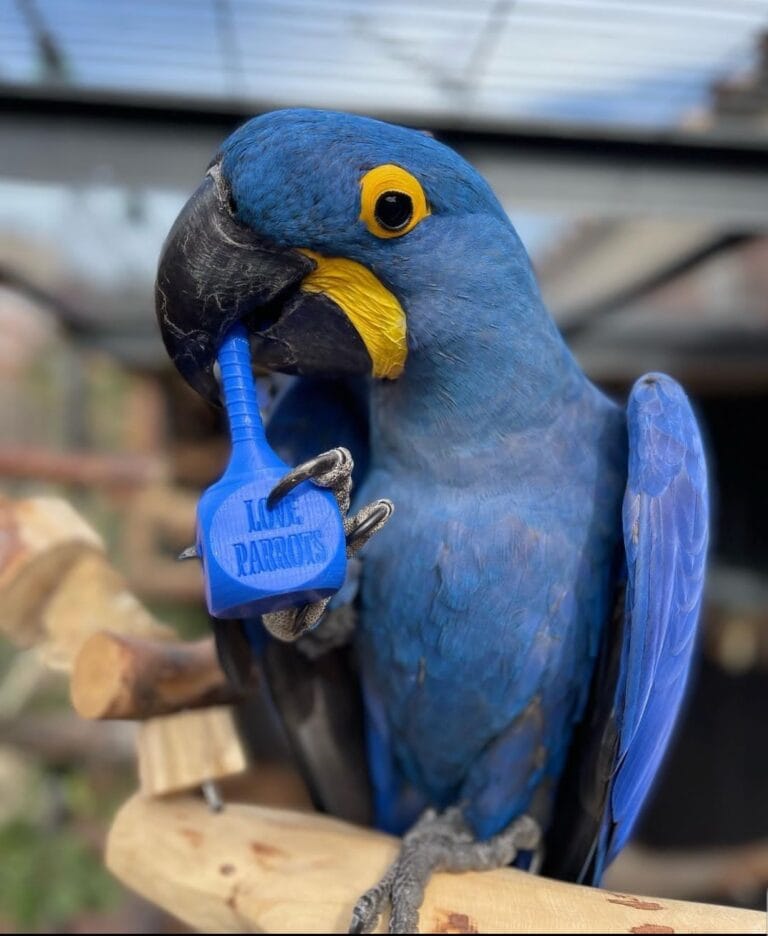 They are natives of South America, and can be located in Paraguay. Brazil, and Bolivia. They are found in savannas as well as palm groves.
Hyacinth macaws are very smart and can learn to talk. They can mimic human sounds. They aren't easy to breed.
Cost
Hyacinth macaws rank among the largest parrots in the world that can reach 40 inches in length. Their striking blue hue makes them a beautiful addition to any home. They are intelligent birds that can talk and are known to be able to perform tricks. However, they can be expensive pets due where to buy a macaw their size and unique needs.
The one-time cost of Owning A Macaw - Https://Forge.Death.Id.Au/Buymacaw4115, hyacinth could include the cost of purchasing the bird in addition to the cost of a suitable habitat or aviary for the bird to live in. Shipping costs are also a factor when buying exotic birds. If you're considering purchasing a hyacinth Macaw ensure that you have enough funds to cover the initial costs.
The ongoing costs of owning a Hyacinth Macaw includes food, toys and the maintenance of the bird's living space. The bird's food needs to be regularly replaced and this could result in a substantial amount of dollars over its lifespan. Hyacinth Macaws require a lot of attention and care each day to remain healthy and happy.
You must prepare for the potential emergency medical expenses that may occur. Since hyacinths have an extended lifespan, they are more likely to sustain injuries or illnesses during their lives. The presence of a pet health insurance policy in place can reduce the stress of unexpected vet bills for your new companion bird.
While you may be able to find a hyacinth macaw for sale on the internet, it's important to keep in mind that this isn't the most common type of parrot. This bird is more likely to be found in a specialist shop or with an accredited breeder. Due to their rarity, Hyacinth macaws are not typically available for adoption by rescue organizations. If you are considering adopting a hyacinth, then it is recommended to consult with a veterinarian who is specialized in exotic animals. This will help you determine whether this is the kind of animal you want to adopt.
You can also learn how to care for yourself.
Like all pets, macaws with hyacinths should visit the vet on a regular basis. They should also be fed a healthy diet and have their wings, beak, and nails trimmed. As they can live to as long as 60 years old, it's vital to ensure they receive proper care. A good pet insurance policy can help to cover unexpected vet costs.
Hyacinth macaws are intelligent bird species who form strong bonds with their human companions. Positive reinforcement makes them easy to train. They also learn to mimic sounds and talk. They require lots of attention and interaction. If they don't get enough attention, they can be destructive or bite their owners. This makes them more suitable for a family rather than a single person.
These large birds should have a cage that provides them with space for exercise and play. They also require plenty of toys they can chew to keep their teeth healthy and their beaks healthy. Toys that have leather strips that are incorporated into them are popular with hyacinth macaws.
Hyacinth Macaws are loud parrots and not suitable for quiet homes. They're ideal for people who like the noise of birds chirping or talking. They can be extremely vocal, and they have a tendency to scream or screech when frustrated.
Hyacinth macaws come with a broad variety of vocalizations, from deep guttural growls, to high trills and loud screeching. They also purr. They are also considered to be a little noisy.
Hyacinth Macaws reside in semi-open woodlands, tropical grasslands, and wetlands. Their popularity as pets has led to a decline in their wild population, and currently their numbers are being controlled. In many Brazilian states they are protected under law. However, they're being illegally traded for their feathers and meat. The Minnesota Zoo and BioBrasil are two of the organizations trying to save this species. Like all exotic pets Hyacinth macaws need regular veterinary visits. They need to visit an exotic vet at least once per year, and may require blood or stool tests. They also may develop health issues that require more frequent visits or medications.
Diet
The macaw representative species hyacinth is among the most beautiful birds on earth. It is the largest parrot species and measures almost 40 inches from head to tail. Its vibrant blue plumage, the bare yellow rings around the eyes, and strong hooked beak make it an impressive sight to see.
The Hyacinth Macaw is extremely intelligent. It can imitate human sounds and learn to speak. They also possess a high degree of social skills and are known to be extremely affectionate. These are birds that require a lot of attention and interaction on a regular basis. They will get wild when you don't take good care of them. They will begin screaming and screeching. They are the perfect companion bird for people who have the time and money to care for them.
A hyacinth macaw pet shop needs a diet that contains more fat than other macaws. They must be fed a variety of seeds, nuts, and fruits. They also need to have access to clean water throughout the day. Protein poisoning is a typical issue with these birds and it is essential to monitor the amount of protein they consume in their food.
These birds are smart and well-known for their loud, booming vocalizations. They can also be very destructive and cause a lot of damage to buildings or homes. Additionally, they are very expensive to purchase, and a standard cage isn't big enough for them. To keep a hyacinth macaw, you will need to have a custom cage made for them, which can be quite expensive.
A hyacinth macaw needs to be kept in a large comfortable cage that is secure and well-ventilated. The cage should be equipped with an ample play area for the bird to spend much of its time. The cage should have plenty of toys and snacks. New arrivals are often shy and fearful, so it is crucial to allow them time to settle into their new environment. Too many new things introduced at the same time can be overwhelming. New arrivals will normally lose some weight during the first few weeks of their lives. This is normal, and the bird will gain weight over time.
Training
Macaws are intelligent, social birds that can learn to talk. They are also very affectionate and playful. However this bird isn't for the beginner as it requires extensive training and attention. It is advised to seek out the assistance of a professional trainer or vet when dealing with this species. These large birds require lots of space and could be destructive if not trained correctly. They are also sensitive to heat and require a cage properly insulated.
These huge feathered birds have to be active to stay healthy. To strengthen their muscles and wings, they need an hour of playtime each day. It is essential to provide them various toys and snacks. To keep their beaks clean, they also need to have a sandbath every day. A bird tree or perch is a great idea for them to rest and climb.
The hyacinth macaw is one of the most magnificent birds in the world. They are huge and can span up to 6 feet from head to tail. Their powerful beak can crack open palm nuts. Their large eyes are positioned from the middle of their head. They can be very noisy birds and can be very playful. They can imitate human sounds.
They are a smart bird that has shown a facility for a limited use of tools both in captivity as well as in the wild. They can be taught to speak, however they aren't among the parrot world's best talking birds. They are extremely sociable and have been known to become bonded with their owners.
During the breeding season, I kept the pair in a larger enclosure with an inside space of 3 x 3 meters (9 9 feet) and a outside area of 3 x 6 meters (12 x 18 ft). The pair were provided with two nest boxes that were identical in design, but they paid little attention to these.
I regularly moistened the nesting material, and then laid an sand layer on the floor of the area inside. I hoped that this would stop the eggs from being trampled by the macaws while they walked around outside. However, this didn't appear to have any impact.
They are costly and require a lot of attention. They also have a lengthy life span - more than 60 years.
They are natives of South America, and can be located in Paraguay. Brazil, and Bolivia. They are found in savannas as well as palm groves.Hyacinth macaws are very smart and can learn to talk. They can mimic human sounds. They aren't easy to breed.
Cost
Hyacinth macaws rank among the largest parrots in the world that can reach 40 inches in length. Their striking blue hue makes them a beautiful addition to any home. They are intelligent birds that can talk and are known to be able to perform tricks. However, they can be expensive pets due where to buy a macaw their size and unique needs.
The one-time cost of Owning A Macaw - Https://Forge.Death.Id.Au/Buymacaw4115, hyacinth could include the cost of purchasing the bird in addition to the cost of a suitable habitat or aviary for the bird to live in. Shipping costs are also a factor when buying exotic birds. If you're considering purchasing a hyacinth Macaw ensure that you have enough funds to cover the initial costs.
The ongoing costs of owning a Hyacinth Macaw includes food, toys and the maintenance of the bird's living space. The bird's food needs to be regularly replaced and this could result in a substantial amount of dollars over its lifespan. Hyacinth Macaws require a lot of attention and care each day to remain healthy and happy.
You must prepare for the potential emergency medical expenses that may occur. Since hyacinths have an extended lifespan, they are more likely to sustain injuries or illnesses during their lives. The presence of a pet health insurance policy in place can reduce the stress of unexpected vet bills for your new companion bird.
While you may be able to find a hyacinth macaw for sale on the internet, it's important to keep in mind that this isn't the most common type of parrot. This bird is more likely to be found in a specialist shop or with an accredited breeder. Due to their rarity, Hyacinth macaws are not typically available for adoption by rescue organizations. If you are considering adopting a hyacinth, then it is recommended to consult with a veterinarian who is specialized in exotic animals. This will help you determine whether this is the kind of animal you want to adopt.
You can also learn how to care for yourself.
Like all pets, macaws with hyacinths should visit the vet on a regular basis. They should also be fed a healthy diet and have their wings, beak, and nails trimmed. As they can live to as long as 60 years old, it's vital to ensure they receive proper care. A good pet insurance policy can help to cover unexpected vet costs.
Hyacinth macaws are intelligent bird species who form strong bonds with their human companions. Positive reinforcement makes them easy to train. They also learn to mimic sounds and talk. They require lots of attention and interaction. If they don't get enough attention, they can be destructive or bite their owners. This makes them more suitable for a family rather than a single person.
These large birds should have a cage that provides them with space for exercise and play. They also require plenty of toys they can chew to keep their teeth healthy and their beaks healthy. Toys that have leather strips that are incorporated into them are popular with hyacinth macaws.
Hyacinth Macaws are loud parrots and not suitable for quiet homes. They're ideal for people who like the noise of birds chirping or talking. They can be extremely vocal, and they have a tendency to scream or screech when frustrated.
Hyacinth macaws come with a broad variety of vocalizations, from deep guttural growls, to high trills and loud screeching. They also purr. They are also considered to be a little noisy.
Hyacinth Macaws reside in semi-open woodlands, tropical grasslands, and wetlands. Their popularity as pets has led to a decline in their wild population, and currently their numbers are being controlled. In many Brazilian states they are protected under law. However, they're being illegally traded for their feathers and meat. The Minnesota Zoo and BioBrasil are two of the organizations trying to save this species. Like all exotic pets Hyacinth macaws need regular veterinary visits. They need to visit an exotic vet at least once per year, and may require blood or stool tests. They also may develop health issues that require more frequent visits or medications.
Diet
The macaw representative species hyacinth is among the most beautiful birds on earth. It is the largest parrot species and measures almost 40 inches from head to tail. Its vibrant blue plumage, the bare yellow rings around the eyes, and strong hooked beak make it an impressive sight to see.
The Hyacinth Macaw is extremely intelligent. It can imitate human sounds and learn to speak. They also possess a high degree of social skills and are known to be extremely affectionate. These are birds that require a lot of attention and interaction on a regular basis. They will get wild when you don't take good care of them. They will begin screaming and screeching. They are the perfect companion bird for people who have the time and money to care for them.
A hyacinth macaw pet shop needs a diet that contains more fat than other macaws. They must be fed a variety of seeds, nuts, and fruits. They also need to have access to clean water throughout the day. Protein poisoning is a typical issue with these birds and it is essential to monitor the amount of protein they consume in their food.
These birds are smart and well-known for their loud, booming vocalizations. They can also be very destructive and cause a lot of damage to buildings or homes. Additionally, they are very expensive to purchase, and a standard cage isn't big enough for them. To keep a hyacinth macaw, you will need to have a custom cage made for them, which can be quite expensive.
A hyacinth macaw needs to be kept in a large comfortable cage that is secure and well-ventilated. The cage should be equipped with an ample play area for the bird to spend much of its time. The cage should have plenty of toys and snacks. New arrivals are often shy and fearful, so it is crucial to allow them time to settle into their new environment. Too many new things introduced at the same time can be overwhelming. New arrivals will normally lose some weight during the first few weeks of their lives. This is normal, and the bird will gain weight over time.
Training
Macaws are intelligent, social birds that can learn to talk. They are also very affectionate and playful. However this bird isn't for the beginner as it requires extensive training and attention. It is advised to seek out the assistance of a professional trainer or vet when dealing with this species. These large birds require lots of space and could be destructive if not trained correctly. They are also sensitive to heat and require a cage properly insulated.
These huge feathered birds have to be active to stay healthy. To strengthen their muscles and wings, they need an hour of playtime each day. It is essential to provide them various toys and snacks. To keep their beaks clean, they also need to have a sandbath every day. A bird tree or perch is a great idea for them to rest and climb.
The hyacinth macaw is one of the most magnificent birds in the world. They are huge and can span up to 6 feet from head to tail. Their powerful beak can crack open palm nuts. Their large eyes are positioned from the middle of their head. They can be very noisy birds and can be very playful. They can imitate human sounds.
They are a smart bird that has shown a facility for a limited use of tools both in captivity as well as in the wild. They can be taught to speak, however they aren't among the parrot world's best talking birds. They are extremely sociable and have been known to become bonded with their owners.
During the breeding season, I kept the pair in a larger enclosure with an inside space of 3 x 3 meters (9 9 feet) and a outside area of 3 x 6 meters (12 x 18 ft). The pair were provided with two nest boxes that were identical in design, but they paid little attention to these.
I regularly moistened the nesting material, and then laid an sand layer on the floor of the area inside. I hoped that this would stop the eggs from being trampled by the macaws while they walked around outside. However, this didn't appear to have any impact.
댓글목록
등록된 댓글이 없습니다.