
Strategies for Keeping Microscopes Clean in High‑Traffic Labs
페이지 정보
본문
Maintaining clean microscopes in high traffic laboratories is essential for ensuring accurate results, prolonging instrument lifespan, and upholding safety and hygiene standards.
To ensure consistent cleanliness, a standardized cleaning procedure must be implemented and strictly enforced for every user.
This should include pre and post use procedures.
Each user is responsible for verifying that the stage, lenses, and lighting components are free of debris, smears, or accumulated particles before beginning work.
Any debris should be removed immediately using appropriate tools.
After use, the stage and specimen holders must be wiped down with a lint free cloth dampened with a mild, nonabrasive cleaning solution recommended by the manufacturer.
Refrain from using common solvents such as isopropyl alcohol or ammonia cleaners unless officially endorsed, خرید میکروسکوپ دانش آموزی as they can permanently damage delicate lens coatings and polymer elements.
The lenses on a microscope are extremely sensitive and require dedicated cleaning techniques.
The clarity of objectives and eyepieces depends on their flawless surfaces, which are easily marred by careless handling.
Select exclusively designed lens cleaning papers or electrostatic microfiber cloths that are free of lint and abrasives.
Apply fluid to the cloth first, then gently glide the cloth over the lens using smooth, radial strokes radiating from the center.
Do not substitute with household paper products; these materials are too coarse and will damage optical coatings.
When immersion oil is applied, clean it off right away using a specialist optical solvent to avoid drying and caking.
In high traffic labs, designate a cleaning station near the microscopes with all necessary supplies clearly labeled and accessible.
Equip the station with single-use gloves, lint-free cleaning pads, manufacturer-approved lens solution, compressed air for debris, and a logbook to record maintenance events and faults.
Users should consult the cleaning log before operating the microscope and notify staff immediately if they observe blurring, smearing, or mechanical issues.
Regular professional servicing should not be overlooked.
Dust, humidity, and repeated use can cause internal optics like mirrors and condensers to degrade, even when exterior surfaces are pristine.
Arrange for certified engineers to conduct comprehensive maintenance every three months, including lens alignment, optical calibration, and deep interior cleaning.
Regular expert maintenance reduces the risk of sudden failures and minimizes long-term repair expenses.
User training forms the backbone of sustainable microscope hygiene.
Begin every new user’s orientation with a live demonstration of correct lens handling and cleaning procedures.
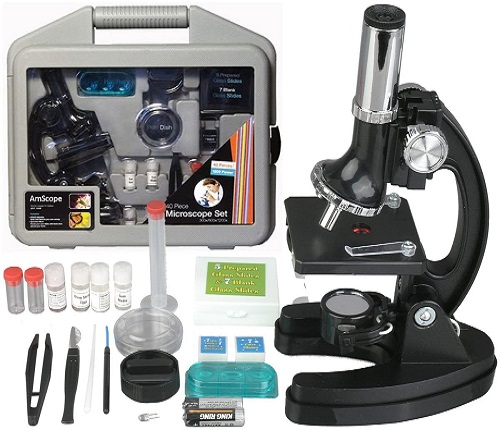
Reinforce protocols through short refresher workshops and easy-to-read signage mounted directly on or near the microscope stations.
Instill a sense of collective responsibility: every user must treat the microscope as if it were their own, and report issues proactively.
Limit consecutive sample runs and require a mandatory 5-minute cleaning pause after each user to reduce cross-contamination.
It minimizes the risk of sample crossover and prevents cleaning from being rushed or skipped during busy hours.
Assign user initials or digital timestamps to microscope logs to pinpoint patterns of misuse and target training interventions.
The secret to long-term microscope reliability lies in the integration of routine cleaning, appropriate equipment, ongoing training, and planned professional care.
Clean instruments yield reliable data, reduce downtime, and reflect a commitment to scientific integrity and workplace safety.
댓글목록
등록된 댓글이 없습니다.