
Fascia And Soffit Explained In Fewer Than 140 Characters
페이지 정보
본문
Fascia and Soffit Upgrades: Enhancing Your Home's Aesthetics and Functionality
When it concerns enhancing a home's outside, numerous house owners frequently focus on walls, roof, or landscaping. Nevertheless, one area that is worthy of equal attention is the fascia and Soffit And Fascia Repair systems. Upgrading these elements can substantially impact a home's curb appeal and functionality, supplying advantages such as improved ventilation, security from the elements, and aesthetic improvements. This post checks out the value of Fascia And Soffit Upgrades (helpful site), the products offered, and responses frequently asked questions.
What Are Fascia and Soffits?
Fascia
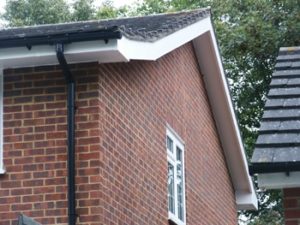
Fascia is the horizontal board that runs along the edge of a roofing system. It works as a barrier in between the roof's edge and the elements, protecting the underlying structures. In addition to its protective role, fascia also provides a completed aim to a home's outside.
Soffit
Soffit is the material that covers the underside of the roofing system overhang. Typically discovered beneath the Eaves Replacement, soffit helps in ventilating the attic area, avoiding the accumulation of wetness that can cause mold and structural damage.
| Element | Meaning | Function |
|---|---|---|
| Fascia | A horizontal board that caps the roofing's edge | Protects underlying structures, enhances curb appeal |
| Soffit | Product covering the underside of the roofing overhang | Makes it possible for ventilation, avoids wetness buildup |
The Importance of Upgrading Fascia and Soffits
Updating fascia and soffits can use a number of advantages, including:
1. Improved Aesthetics
- Modern Appearance: New fascia and soffits can significantly boost a home's outside appearance, using a modern-day touch that can increase property value.
- Color and Material Options: Upgrading allows house owners to choose from a variety of products and colors that can match or match their existing exterior style.
2. Boosted Protection
- Weather Resistance: High-quality products can resist weather condition damage, lowering the requirement for repairs.
- Insect Prevention: Properly installed fascia and soffits can avoid birds and insects from nesting in your eaves.
3. Much better Ventilation
- Wetness Control: Effective ventilated soffits help manage temperatures in the attic, decreasing the possibility of mold and mildew.
- Energy Efficiency: Proper ventilation can improve energy efficiency by decreasing the load on HVAC systems.
Popular Materials for Fascia and Soffits
When upgrading fascia and soffits, various materials are available, each offering different advantages.
| Product | Pros | Cons |
|---|---|---|
| Vinyl | Low maintenance, weather-resistant | Can fade gradually |
| Aluminum | Resilient, light-weight, rust-resistant | Can damage, may need repainting |
| Wood | Natural look, adjustable | Requires routine maintenance |
| Fiber Cement | Extremely resilient, fire-resistant | Much heavier and might be more pricey |
Picking the Right Material
The choice of product typically boils down to aesthetic preferences, environment considerations, and budget plan constraints. For example, Fascia And Soffit Upgrades (Pads.Jeito.Nl) vinyl might be appropriate for a low-maintenance option, while wood might be selected for a more conventional appearance.
Steps to Upgrade Fascia and Soffits
Upgrading fascia and soffits can be a straightforward process, supplied house owners follow these steps:
Step 1: Assess Current Condition
Analyze the existing fascia and soffits for indications of damage or decay. Look for peeling paint, soft areas in wood, or signs of insect intrusion.
Step 2: Choose New Materials
Select products that align with your visual preferences, environment, and spending plan. Consider aspects like color, texture, and exposure to wetness.
Step 3: Prepare for Installation
Collect needed tools and products, consisting of security gear, flashing, nails, and caulk. If you're hiring experts, obtain quotes and arrange a convenient time for work.
Step 4: Remove Old Fascia and Soffits
Thoroughly eliminate the existing fascia and soffits, taking care not to harm the underlying structural aspects. This might need using lever and saws.
Step 5: Install New Components
Install the new fascia and soffit beginning from one end to the other, ensuring that whatever is level and effectively ventilated.
Step 6: Finishing Touches
Seal any joints with caulk to prevent wetness invasion and paint or complete the fascia for added defense and aesthetic appeals.
FAQ
What is the typical cost of updating fascia and soffits?
The cost varies based on materials, labor, and place. On average, homeowners can expect to pay in between ₤ 1,500 to ₤ 3,500 for a complete upgrade.
How frequently should fascia and soffits be replaced?
Normally, well-maintained products can last 20 years or more. However, it's vital to check them routinely for signs of wear or damage.
Can I set up fascia and soffits myself?
While DIY installation is possible for convenient property owners, working with professionals is recommended for those unfamiliar with construction practices to make sure correct installation and prevent prospective problems.
What are the indications that I need to upgrade my fascia and soffits?
Search for rot, peeling paint, sagging, or visible bugs. If you observe moisture accumulation in your attic or ice dams in winter, it may likewise show inadequate ventilation.
Upgrading fascia and soffits is an often-overlooked aspect of home improvement that can significantly boost a residential or commercial property's visual appeal and performance. With a series of materials and styles available, house owners have the versatility to make options that suit their personal choices and environmental needs. By taking proactive steps to evaluate and upgrade these parts, homeowners can not only improve their home's look but also protect their investment for several years to come.
댓글목록
등록된 댓글이 없습니다.