
Five Killer Quora Answers To Coffee Machine Beans
페이지 정보
본문
Choosing Coffee Beans For Your Coffee Machine
The beans you choose to use in your machine will determine the quality of your coffee. Choose freshly roasted beans that have a balanced flavor profile.
The size of the grind is also important. Smaller grounds are able to take longer to extract. Test different sizes of grinds to determine what suits you best.
Single-serve machines
If you are seeking convenience, a single-serve machine could be the best option. They are designed to brew only one cup, which makes them perfect for dorms and office desks. They make use of coffee Machine beans beans that have been ground that are sealed in capsules or pods. They then press the beans under hot water and then extract the grounds to create cups. They are generally easier to clean and maintain than conventional coffee makers because they are made of fewer moving parts, but they might not make the best tasting coffee.
Pods can help you save time in the morning but they are not sustainable for the environment. It's estimated that the amount of coffee-related waste generated by pods in 2014 could circle Earth 14 times over, and the amount of plastic consumed per cup is increasing. If you're concerned about the impact on the environment and want to limit your coffee-related trash, Coffee Machine Beans consider a single-serve coffee maker that uses whole beans rather than pods made of plastic, which are common with these machines.
A coffee bean-to-cup machine has an integrated grinder that grinds the beans before making coffee, making sure they are ground to the desired level of fineness. The machine then forces hot water into the grounds to brew your coffee. This creates an aroma-rich, flavorful cup. These machines have a wide selection of settings and options that can be adapted to make the perfect cup. You can select the size of grind and brew intensity as well as temperature. Some models have an adjustable filter that removes the need for disposable coffee filters. Other models have programmable features that allow you to set the time at which you would like coffee to be brewed.
Selecting the best single-serve coffee maker depends on your preferences, including the types of drinks you prefer to drink and the speed at which you would like it brewed. Experts suggest you look at the brew size, water reservoir size and whether or not the machine can be used with pods that can be reused. Additionally, you may think about whether the machine is gravity-based or electric. Electric models are more efficient and more convenient, however gravity-based models are suitable for those who brew their coffee without an electrical outlet, such as campers or hikers.
Compact coffee makers
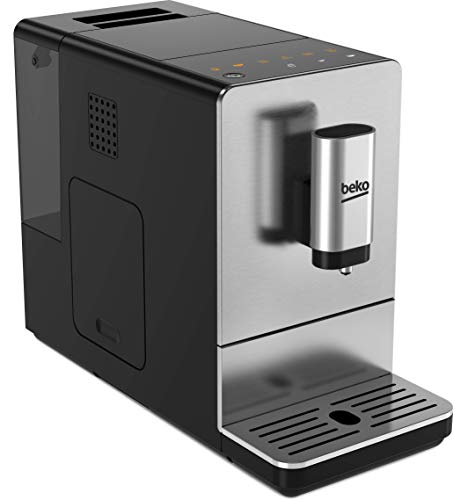 If you're limited with counter space There are a few compact coffee makers that still brew delicious strong coffee. They usually feature an integrated scoop and can make up to 14 cups of coffee, meaning you can easily have plenty to enjoy on your own or share with family or friends. They are also usually low profile and can easily be placed under cupboards.
Another benefit of a compact coffee maker is that they generally have a simple, easy-to-use design. They are easier to use especially when you have children or other family members that could help you make your morning cup of coffee. Some models have dishwasher-safe filters that can be removed. This is an advantage if you choose to use reusable filters.
The Ninja Programmable XL 14-Cup Coffee Maker PRO is a fantastic example of a sleek, easy-to-use and yet powerful compact coffee maker. It brewed hot coffee machines beans which kept warm for up to 4 hours. In addition, the machine has a compact footprint and comes with a simple-to-clean carafe that is easy to remove and rinse. Additionally, the milk spout as well as the coffee spout are easily removable for cleaning as well.
The cost of capsules can mount up quickly. Also, they're often plastic and hard to recycle. True coffee enthusiasts argue that coffee beans machine beans capped don't make the most perfect final product.
If you're tired of disposable coffee pods but do not have the space for an espresso machine that's large, consider this model from Grind in London. It's a basic metal coffee maker that uses beans and water to make your favorite cup. It also has a visual indicator that will let you know when the bin is full.
Pour-over coffee makers work well for kitchens with minimalist design. It's inexpensive and easy to operate, coffee machine Beans but might not be the most efficient brewing method for coffee lovers. It can only hold 17 ounces of liquid which may be too small for some. Also, it requires paper filters, which might not be sustainable. It's a great choice for those who want to simplify your morning routine and free up counter space in the kitchen.
Espresso machines
Espresso machines are high-end coffee-making equipment you'll find in many restaurants and cafes. They function by pushing a small amount of near-boiling water through finely ground espresso beans under pressure that is high. This method of brewing produces highly nuanced espresso and coffee with a variety of flavors, wonderful aromas, and a satisfying mouthfeel.
These machines usually come with a reservoir to fill the water for brewing as well as a boiler that heats it to the right temperature and a portafilter to hold the coffee grounds. These machines may also include steam wands that allow you to add milk to lattes and cappuccinos. They are more advanced than single-serve models and provide more programmable options. They also require more frequent maintenance and cleaning cycles.
You'll usually brew espresso using these machines by placing the espresso beans in the portafilter and pressing it down with a pump or lever to apply the proper amount of pressure. You'll then rinse the portafilter with hot water, and then lock it in place before making the next shot.
When using an espresso machine, it's important to select the right coffee beans to accomplish the task. Overly oily beans will leave an oily residue that could clog the coffee grounds chute between the grinder and brew unit. This can affect the taste of your coffee.
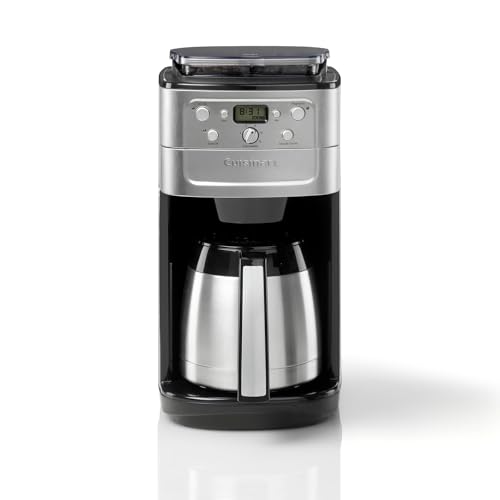 A good espresso bean should have a smooth, even surface that's not shiny, and should be free of flavorings that are added. It's important to choose an espresso that is suitable for the machine and not be too dark or smokey. Dark roasts may have a bitter, burnt flavor that could make your experience unpleasant.
The majority of espresso machines require more frequent backflushing and descaling than other coffee makers, but they're generally easier to maintain. They're usually equipped with self-cleaning features as well as an extra filter that helps to avoid the buildup of scale. You'll be required to follow the manufacturer's instructions for cleaning and descaler based on the model. These items are available in many places including on the internet and in most grocery stores.
Coffee grinders
For many coffee drinkers freshly ground beans are the most flavor. Grinding whole beans right before brewing also prevents loss of the oils that provide the aroma and depth to your coffee. There are a variety of ways to grind beans by hand. However, some prefer a machine that grinds, stores and dispenses precisely the right amount of beans before the brewing process starts. There are a few models that combine a coffee mill with an brewing system.
Electric burr grinders are the most common kind of grinder that comes with an brewer. It uses two flat burrs that have sharp ridges that crush coffee beans. This provides an even grind size and a more flavorful experience than blade grinders. The burrs can be easily adjusted to ensure optimal performance. There are a variety of grind settings available to suit your taste.
Manual burr grinders are also offered. These are cheaper but require a bit of elbow grease in order to function. The grindings produced by these models are not as fine as the ones generated by electric models, but you can adjust them to produce the desired results.
There are also blade grinders, which utilize a spinning blade to chop beans. They are typically less expensive than burr grinders. They can produce unevenly ground beans, and may be noisy during the grinding process.
Certain grinders generate static which attracts particles and cause them to stick together. This can impact the quality of your coffee and lead to clogged grinders and hoppers. Some grinders have anti-static technology however you can minimize this issue by using a humidifier or dampening your beans prior to grinding.
While most models on the market come with grinders, it's important to think about how much you want to spend and how often you'll use it prior to deciding which coffee maker with a built-in grinder is right for your home. Some models can cost more than $800 if they're high-end grinders equipped with a built-in brewer. If you're seeking a high-end and affordable model, search for one that has an expensive grinder and a large bean hopper.
The beans you choose to use in your machine will determine the quality of your coffee. Choose freshly roasted beans that have a balanced flavor profile.
The size of the grind is also important. Smaller grounds are able to take longer to extract. Test different sizes of grinds to determine what suits you best.
Single-serve machines
If you are seeking convenience, a single-serve machine could be the best option. They are designed to brew only one cup, which makes them perfect for dorms and office desks. They make use of coffee Machine beans beans that have been ground that are sealed in capsules or pods. They then press the beans under hot water and then extract the grounds to create cups. They are generally easier to clean and maintain than conventional coffee makers because they are made of fewer moving parts, but they might not make the best tasting coffee.
Pods can help you save time in the morning but they are not sustainable for the environment. It's estimated that the amount of coffee-related waste generated by pods in 2014 could circle Earth 14 times over, and the amount of plastic consumed per cup is increasing. If you're concerned about the impact on the environment and want to limit your coffee-related trash, Coffee Machine Beans consider a single-serve coffee maker that uses whole beans rather than pods made of plastic, which are common with these machines.
A coffee bean-to-cup machine has an integrated grinder that grinds the beans before making coffee, making sure they are ground to the desired level of fineness. The machine then forces hot water into the grounds to brew your coffee. This creates an aroma-rich, flavorful cup. These machines have a wide selection of settings and options that can be adapted to make the perfect cup. You can select the size of grind and brew intensity as well as temperature. Some models have an adjustable filter that removes the need for disposable coffee filters. Other models have programmable features that allow you to set the time at which you would like coffee to be brewed.
Selecting the best single-serve coffee maker depends on your preferences, including the types of drinks you prefer to drink and the speed at which you would like it brewed. Experts suggest you look at the brew size, water reservoir size and whether or not the machine can be used with pods that can be reused. Additionally, you may think about whether the machine is gravity-based or electric. Electric models are more efficient and more convenient, however gravity-based models are suitable for those who brew their coffee without an electrical outlet, such as campers or hikers.
Compact coffee makers
If you're limited with counter space There are a few compact coffee makers that still brew delicious strong coffee. They usually feature an integrated scoop and can make up to 14 cups of coffee, meaning you can easily have plenty to enjoy on your own or share with family or friends. They are also usually low profile and can easily be placed under cupboards.Another benefit of a compact coffee maker is that they generally have a simple, easy-to-use design. They are easier to use especially when you have children or other family members that could help you make your morning cup of coffee. Some models have dishwasher-safe filters that can be removed. This is an advantage if you choose to use reusable filters.
The Ninja Programmable XL 14-Cup Coffee Maker PRO is a fantastic example of a sleek, easy-to-use and yet powerful compact coffee maker. It brewed hot coffee machines beans which kept warm for up to 4 hours. In addition, the machine has a compact footprint and comes with a simple-to-clean carafe that is easy to remove and rinse. Additionally, the milk spout as well as the coffee spout are easily removable for cleaning as well.
The cost of capsules can mount up quickly. Also, they're often plastic and hard to recycle. True coffee enthusiasts argue that coffee beans machine beans capped don't make the most perfect final product.
If you're tired of disposable coffee pods but do not have the space for an espresso machine that's large, consider this model from Grind in London. It's a basic metal coffee maker that uses beans and water to make your favorite cup. It also has a visual indicator that will let you know when the bin is full.
Pour-over coffee makers work well for kitchens with minimalist design. It's inexpensive and easy to operate, coffee machine Beans but might not be the most efficient brewing method for coffee lovers. It can only hold 17 ounces of liquid which may be too small for some. Also, it requires paper filters, which might not be sustainable. It's a great choice for those who want to simplify your morning routine and free up counter space in the kitchen.
Espresso machines
Espresso machines are high-end coffee-making equipment you'll find in many restaurants and cafes. They function by pushing a small amount of near-boiling water through finely ground espresso beans under pressure that is high. This method of brewing produces highly nuanced espresso and coffee with a variety of flavors, wonderful aromas, and a satisfying mouthfeel.
These machines usually come with a reservoir to fill the water for brewing as well as a boiler that heats it to the right temperature and a portafilter to hold the coffee grounds. These machines may also include steam wands that allow you to add milk to lattes and cappuccinos. They are more advanced than single-serve models and provide more programmable options. They also require more frequent maintenance and cleaning cycles.
You'll usually brew espresso using these machines by placing the espresso beans in the portafilter and pressing it down with a pump or lever to apply the proper amount of pressure. You'll then rinse the portafilter with hot water, and then lock it in place before making the next shot.
When using an espresso machine, it's important to select the right coffee beans to accomplish the task. Overly oily beans will leave an oily residue that could clog the coffee grounds chute between the grinder and brew unit. This can affect the taste of your coffee.
A good espresso bean should have a smooth, even surface that's not shiny, and should be free of flavorings that are added. It's important to choose an espresso that is suitable for the machine and not be too dark or smokey. Dark roasts may have a bitter, burnt flavor that could make your experience unpleasant.The majority of espresso machines require more frequent backflushing and descaling than other coffee makers, but they're generally easier to maintain. They're usually equipped with self-cleaning features as well as an extra filter that helps to avoid the buildup of scale. You'll be required to follow the manufacturer's instructions for cleaning and descaler based on the model. These items are available in many places including on the internet and in most grocery stores.
Coffee grinders
For many coffee drinkers freshly ground beans are the most flavor. Grinding whole beans right before brewing also prevents loss of the oils that provide the aroma and depth to your coffee. There are a variety of ways to grind beans by hand. However, some prefer a machine that grinds, stores and dispenses precisely the right amount of beans before the brewing process starts. There are a few models that combine a coffee mill with an brewing system.
Electric burr grinders are the most common kind of grinder that comes with an brewer. It uses two flat burrs that have sharp ridges that crush coffee beans. This provides an even grind size and a more flavorful experience than blade grinders. The burrs can be easily adjusted to ensure optimal performance. There are a variety of grind settings available to suit your taste.
Manual burr grinders are also offered. These are cheaper but require a bit of elbow grease in order to function. The grindings produced by these models are not as fine as the ones generated by electric models, but you can adjust them to produce the desired results.
There are also blade grinders, which utilize a spinning blade to chop beans. They are typically less expensive than burr grinders. They can produce unevenly ground beans, and may be noisy during the grinding process.
Certain grinders generate static which attracts particles and cause them to stick together. This can impact the quality of your coffee and lead to clogged grinders and hoppers. Some grinders have anti-static technology however you can minimize this issue by using a humidifier or dampening your beans prior to grinding.
While most models on the market come with grinders, it's important to think about how much you want to spend and how often you'll use it prior to deciding which coffee maker with a built-in grinder is right for your home. Some models can cost more than $800 if they're high-end grinders equipped with a built-in brewer. If you're seeking a high-end and affordable model, search for one that has an expensive grinder and a large bean hopper.
댓글목록
등록된 댓글이 없습니다.