
5 The 5 Reasons Lidar Vacuum Robot Can Be A Beneficial Thing
페이지 정보
본문
LiDAR-Powered Robot Vacuum Cleaner
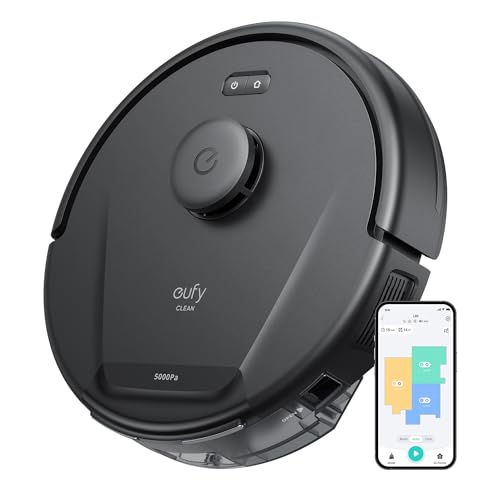
Lidar-powered robots possess a unique ability to map the space, and provide distance measurements that help them navigate around furniture and other objects. This helps them to clean rooms more effectively than traditional vacuums.
lidar robot vacuum utilizes an invisible spinning laser and is extremely precise. It works in both dim and bright lighting.
Gyroscopes
The gyroscope was inspired by the magic of a spinning top that can remain in one place. These devices detect angular motion, allowing robots to determine the location of their bodies in space.
A gyroscope consists of a small mass with a central axis of rotation. When a constant external force is applied to the mass, it causes precession of the angle of the axis of rotation at a fixed speed. The rate of this motion is proportional to the direction of the force and the direction of the mass in relation to the reference frame inertial. The gyroscope detects the rotational speed of the robot by analyzing the angular displacement. It responds by making precise movements. This ensures that the robot remains stable and accurate, even in changing environments. It also reduces energy consumption, which is a key aspect for autonomous robots operating with limited power sources.
 The accelerometer is similar to a gyroscope however, it's much smaller and less expensive. Accelerometer sensors measure changes in gravitational acceleration using a variety, including piezoelectricity and hot air bubbles. The output from the sensor is a change in capacitance, which can be converted into an electrical signal using electronic circuitry. By measuring this capacitance the sensor can determine the direction and speed of the movement.
In the majority of modern robot vacuums, both gyroscopes as well accelerometers are utilized to create digital maps. They then use this information to navigate efficiently and swiftly. They can detect walls, furniture and other objects in real-time to help improve navigation and prevent collisions, which results in more thorough cleaning. This technology, referred to as mapping, can be found on both cylindrical and upright vacuums.
However, it is possible for some dirt or debris to block the sensors in a lidar vacuum robot, preventing them from functioning effectively. To minimize this problem it is recommended to keep the sensor free of clutter and dust. Also, make sure to read the user's guide for troubleshooting advice and tips. Keeping the sensor clean will also help reduce maintenance costs, as a in addition to enhancing the performance and prolonging its life.
Sensors Optical
The working operation of optical sensors involves converting light radiation into an electrical signal which is processed by the sensor's microcontroller, which is used to determine whether or not it has detected an object. The information is then transmitted to the user interface as 1's and 0's. Optic sensors are GDPR, CPIA, and ISO/IEC 27001-compliant and do not store any personal information.
These sensors are used by vacuum robots to identify objects and obstacles. The light is reflected off the surfaces of objects, and then back into the sensor. This creates an image that helps the robot navigate. Optics sensors are best budget lidar robot vacuum used in brighter areas, but can also be used in dimly lit spaces as well.
The most common kind of optical sensor is the optical bridge sensor. The sensor is comprised of four light sensors that are joined in a bridge configuration order to detect tiny shifts in the position of the beam of light that is emitted by the sensor. By analyzing the information from these light detectors the sensor can figure out the exact location of the sensor. It can then determine the distance between the sensor and the object it is detecting and adjust the distance accordingly.
Line-scan optical sensors are another common type. The sensor determines the distance between the sensor and the surface by analyzing the change in the intensity of reflection light from the surface. This kind of sensor is used to determine the height of an object and to avoid collisions.
Certain vaccum robots have an integrated line scan sensor that can be activated by the user. This sensor will activate if the robot is about bump into an object. The user can stop the robot using the remote by pressing a button. This feature can be used to safeguard delicate surfaces such as furniture or carpets.
Gyroscopes and optical sensors are essential elements of the navigation system of robots. These sensors calculate both the robot's position and direction as well as the location of obstacles within the home. This helps the robot create an accurate map of space and avoid collisions while cleaning. These sensors aren't as accurate as vacuum robots which use lidar sensor robot vacuum - click through the following website, technology, or cameras.
Wall Sensors
Wall sensors help your robot avoid pinging off of furniture and walls that not only create noise but can also cause damage. They are especially useful in Edge Mode where your robot cleans the edges of the room to eliminate the debris. They can also help your robot with lidar navigate between rooms by permitting it to "see" boundaries and walls. You can also use these sensors to create no-go zones within your app, which will stop your robot from cleaning certain areas like wires and cords.
The majority of standard robots rely upon sensors to guide them and some have their own source of light so that they can navigate at night. These sensors are typically monocular vision based, but certain models use binocular technology in order to help identify and eliminate obstacles.
SLAM (Simultaneous Localization & Mapping) is the most accurate mapping technology that is available. Vacuums that use this technology are able to move around obstacles easily and move in logical, straight lines. You can tell the difference between a vacuum that uses SLAM based on its mapping visualization that is displayed in an application.
Other navigation systems that don't produce as precise a map of your home or aren't as effective in avoidance of collisions include gyroscopes and accelerometer sensors, optical sensors and LiDAR. They are reliable and cheap which is why they are common in robots that cost less. They don't help you robot navigate effectively, and they could be susceptible to errors in certain situations. Optical sensors are more accurate however they're costly and only work under low-light conditions. LiDAR is costly but could be the most precise navigation technology that is available. It works by analyzing the time it takes for the laser pulse to travel from one spot on an object to another, providing information on distance and orientation. It can also determine if an object is in its path and will trigger the robot to stop its movement and reorient itself. In contrast to optical and gyroscope sensors, LiDAR works in any lighting conditions.
LiDAR
This top-quality robot vacuum uses LiDAR to make precise 3D maps and avoid obstacles while cleaning. It also lets you define virtual no-go zones so it doesn't get activated by the same objects each time (shoes or furniture legs).
A laser pulse is measured in either or both dimensions across the area to be detected. A receiver can detect the return signal from the laser pulse, which is processed to determine distance by comparing the amount of time it took the pulse to reach the object and travel back to the sensor. This is known as time of flight (TOF).
The sensor then utilizes this information to create a digital map of the surface, which is used by the robot's navigation system to guide it around your home. Lidar sensors are more precise than cameras because they aren't affected by light reflections or other objects in the space. They have a larger angular range compared to cameras, which means they can cover a greater area.
This technology is employed by many robot vacuum with obstacle avoidance lidar vacuums to measure the distance from the robot to any obstruction. This kind of mapping may be prone to problems, such as inaccurate readings and interference from reflective surfaces, and complex layouts.
LiDAR has been a game changer for robot vacuums in the past few years since it can stop them from hitting furniture and walls. A lidar-equipped robot can also be more efficient and quicker at navigating, as it will provide an accurate picture of the entire space from the beginning. The map can be modified to reflect changes in the environment such as furniture or floor materials. This ensures that the robot has the most current information.
This technology could also extend you battery life. A robot equipped with lidar can cover a larger space within your home than one that has limited power.
Lidar-powered robots possess a unique ability to map the space, and provide distance measurements that help them navigate around furniture and other objects. This helps them to clean rooms more effectively than traditional vacuums.
lidar robot vacuum utilizes an invisible spinning laser and is extremely precise. It works in both dim and bright lighting.
Gyroscopes
The gyroscope was inspired by the magic of a spinning top that can remain in one place. These devices detect angular motion, allowing robots to determine the location of their bodies in space.
A gyroscope consists of a small mass with a central axis of rotation. When a constant external force is applied to the mass, it causes precession of the angle of the axis of rotation at a fixed speed. The rate of this motion is proportional to the direction of the force and the direction of the mass in relation to the reference frame inertial. The gyroscope detects the rotational speed of the robot by analyzing the angular displacement. It responds by making precise movements. This ensures that the robot remains stable and accurate, even in changing environments. It also reduces energy consumption, which is a key aspect for autonomous robots operating with limited power sources.
The accelerometer is similar to a gyroscope however, it's much smaller and less expensive. Accelerometer sensors measure changes in gravitational acceleration using a variety, including piezoelectricity and hot air bubbles. The output from the sensor is a change in capacitance, which can be converted into an electrical signal using electronic circuitry. By measuring this capacitance the sensor can determine the direction and speed of the movement.In the majority of modern robot vacuums, both gyroscopes as well accelerometers are utilized to create digital maps. They then use this information to navigate efficiently and swiftly. They can detect walls, furniture and other objects in real-time to help improve navigation and prevent collisions, which results in more thorough cleaning. This technology, referred to as mapping, can be found on both cylindrical and upright vacuums.
However, it is possible for some dirt or debris to block the sensors in a lidar vacuum robot, preventing them from functioning effectively. To minimize this problem it is recommended to keep the sensor free of clutter and dust. Also, make sure to read the user's guide for troubleshooting advice and tips. Keeping the sensor clean will also help reduce maintenance costs, as a in addition to enhancing the performance and prolonging its life.
Sensors Optical
The working operation of optical sensors involves converting light radiation into an electrical signal which is processed by the sensor's microcontroller, which is used to determine whether or not it has detected an object. The information is then transmitted to the user interface as 1's and 0's. Optic sensors are GDPR, CPIA, and ISO/IEC 27001-compliant and do not store any personal information.
These sensors are used by vacuum robots to identify objects and obstacles. The light is reflected off the surfaces of objects, and then back into the sensor. This creates an image that helps the robot navigate. Optics sensors are best budget lidar robot vacuum used in brighter areas, but can also be used in dimly lit spaces as well.
The most common kind of optical sensor is the optical bridge sensor. The sensor is comprised of four light sensors that are joined in a bridge configuration order to detect tiny shifts in the position of the beam of light that is emitted by the sensor. By analyzing the information from these light detectors the sensor can figure out the exact location of the sensor. It can then determine the distance between the sensor and the object it is detecting and adjust the distance accordingly.
Line-scan optical sensors are another common type. The sensor determines the distance between the sensor and the surface by analyzing the change in the intensity of reflection light from the surface. This kind of sensor is used to determine the height of an object and to avoid collisions.
Certain vaccum robots have an integrated line scan sensor that can be activated by the user. This sensor will activate if the robot is about bump into an object. The user can stop the robot using the remote by pressing a button. This feature can be used to safeguard delicate surfaces such as furniture or carpets.
Gyroscopes and optical sensors are essential elements of the navigation system of robots. These sensors calculate both the robot's position and direction as well as the location of obstacles within the home. This helps the robot create an accurate map of space and avoid collisions while cleaning. These sensors aren't as accurate as vacuum robots which use lidar sensor robot vacuum - click through the following website, technology, or cameras.
Wall Sensors
Wall sensors help your robot avoid pinging off of furniture and walls that not only create noise but can also cause damage. They are especially useful in Edge Mode where your robot cleans the edges of the room to eliminate the debris. They can also help your robot with lidar navigate between rooms by permitting it to "see" boundaries and walls. You can also use these sensors to create no-go zones within your app, which will stop your robot from cleaning certain areas like wires and cords.
The majority of standard robots rely upon sensors to guide them and some have their own source of light so that they can navigate at night. These sensors are typically monocular vision based, but certain models use binocular technology in order to help identify and eliminate obstacles.
SLAM (Simultaneous Localization & Mapping) is the most accurate mapping technology that is available. Vacuums that use this technology are able to move around obstacles easily and move in logical, straight lines. You can tell the difference between a vacuum that uses SLAM based on its mapping visualization that is displayed in an application.
Other navigation systems that don't produce as precise a map of your home or aren't as effective in avoidance of collisions include gyroscopes and accelerometer sensors, optical sensors and LiDAR. They are reliable and cheap which is why they are common in robots that cost less. They don't help you robot navigate effectively, and they could be susceptible to errors in certain situations. Optical sensors are more accurate however they're costly and only work under low-light conditions. LiDAR is costly but could be the most precise navigation technology that is available. It works by analyzing the time it takes for the laser pulse to travel from one spot on an object to another, providing information on distance and orientation. It can also determine if an object is in its path and will trigger the robot to stop its movement and reorient itself. In contrast to optical and gyroscope sensors, LiDAR works in any lighting conditions.
LiDAR
This top-quality robot vacuum uses LiDAR to make precise 3D maps and avoid obstacles while cleaning. It also lets you define virtual no-go zones so it doesn't get activated by the same objects each time (shoes or furniture legs).
A laser pulse is measured in either or both dimensions across the area to be detected. A receiver can detect the return signal from the laser pulse, which is processed to determine distance by comparing the amount of time it took the pulse to reach the object and travel back to the sensor. This is known as time of flight (TOF).
The sensor then utilizes this information to create a digital map of the surface, which is used by the robot's navigation system to guide it around your home. Lidar sensors are more precise than cameras because they aren't affected by light reflections or other objects in the space. They have a larger angular range compared to cameras, which means they can cover a greater area.
This technology is employed by many robot vacuum with obstacle avoidance lidar vacuums to measure the distance from the robot to any obstruction. This kind of mapping may be prone to problems, such as inaccurate readings and interference from reflective surfaces, and complex layouts.
LiDAR has been a game changer for robot vacuums in the past few years since it can stop them from hitting furniture and walls. A lidar-equipped robot can also be more efficient and quicker at navigating, as it will provide an accurate picture of the entire space from the beginning. The map can be modified to reflect changes in the environment such as furniture or floor materials. This ensures that the robot has the most current information.
This technology could also extend you battery life. A robot equipped with lidar can cover a larger space within your home than one that has limited power.
댓글목록
등록된 댓글이 없습니다.