
There Is No Doubt That You Require Chestnut Fronted Macaw
페이지 정보
본문
Chestnut Fronted Macaw
The Chestnut Fronted Macaw, also known as Ara severa, is a regular sight at Rainforest Expeditions. These intelligent and fascinating parrots require lots of attention.
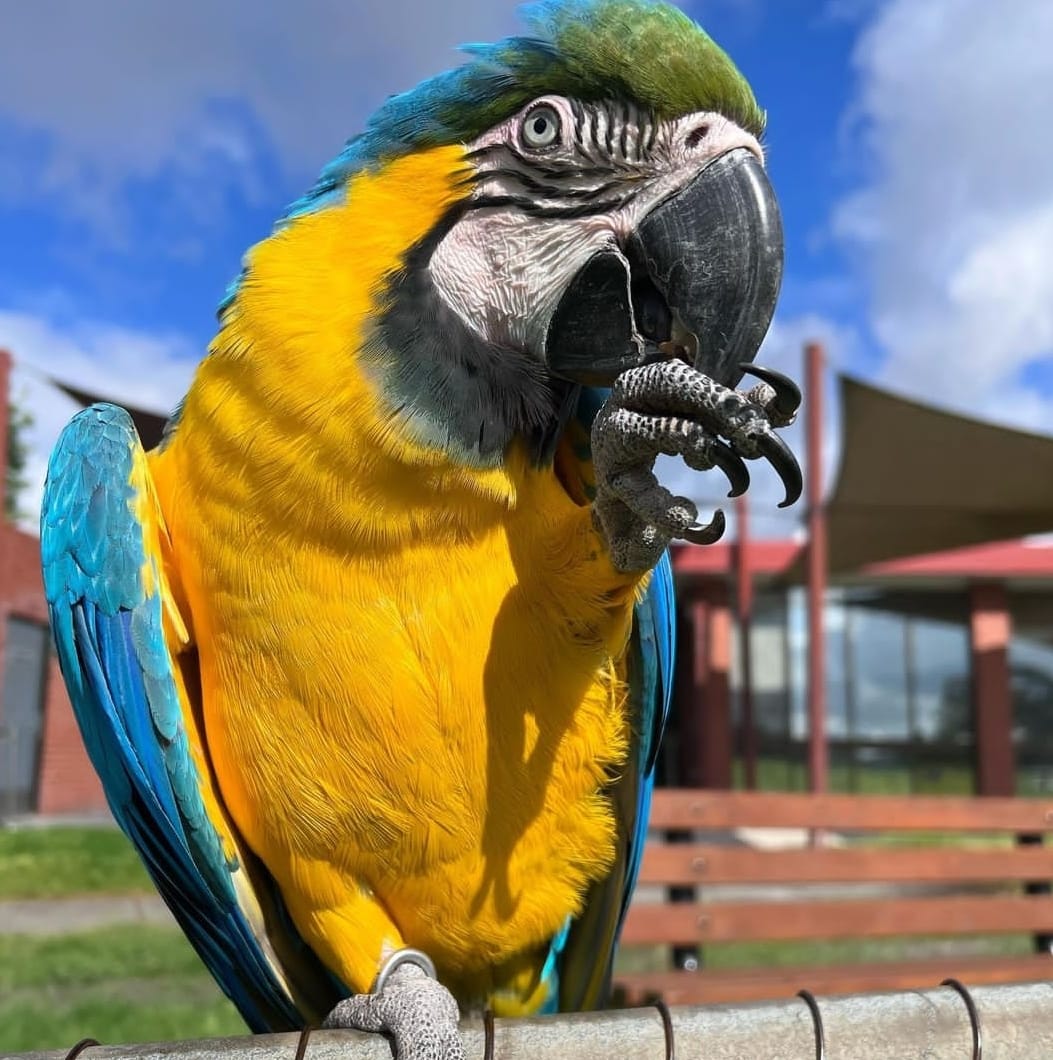 These birds are diurnal and spend their days foraging and socializing. These vibrant parrots are identified by the chestnut-colored patch on their forehead and lores, as well as white facial skin with lines of fine black feathers.
Size
The chestnut-fronted macaw, or Ara severus, is a colorful and vibrant bird that can live for up to 40 years if properly cared for. This medium-sized bird is native to South America. It lives in agricultural fields and forests. It is not a species that migrates and usually travels in pairs or small groups. It is a highly-intelligent bird that requires lots of interaction.
The green feathers of this bird are stunning. It also has a chestnut patch in the front and a white patch around its eyes. The tail is long, tapered, and the wings are a vibrant Leia blue macaw and red macaw. This bird also has a huge beak that is able to break open nuts and seeds. Males and females look similar in appearance, shop.startpl.ru but it is difficult to determine the sex of a Sinatra macaw for sale near me based on just looking at it.
These birds are omnivorous, and their natural diet includes fruits, seeds, nuts and vegetables, as well as green leafy matter and flowers. They also visit clay licks, which are where they eat minerals-rich soil that aids them to digest and neutralize toxins from their diets.
Pet owners can feed severe macaws various food items, including frozen, cooked and fresh food. They also need to provide their pets with lots of toys to help them exercise their wings and beaks. It is crucial to give your pet up to two hours of playtime out of the cage each day to keep them engaged and healthy.
While severe macaws are intelligent and fun to interact with, they can be challenging to control because they tend to bite when threatened or startled. Spending time with macaws can help you to control and love them. This will help them trust you and feel secure around you.
Macaws that are pet friendly require a huge space outside where they can fly. They can be trained to fly using harnesses that are attached to their cages and they will enjoy playing in the outdoor garden or even the backyard. Outdoors will allow them to stretch their wings and exercise their beaks. They can be irritated if not properly used. Outdoor time can help them relax, calm down and reduce their tendency to bite.
Habitat
Chestnut fronted macaws are the most frequent macaw species that is found in the rainforest around Tambopata. Our Rainforest Expedition guests are likely to encounter them during their Amazon adventure. In areas of second-growth forests and riverine habitats they are abundant. This is likely due to the fact that they are attracted to these types of habitat. Whatever the reason, their presence in these forests is a positive indicator that the ecosystem remains healthy and balanced. They are also essential seed dispersers who help improve the health and growth of these tropical forests.
Chestnut-fronted Macaws are a beautiful species of bird, sporting a shimmering green body, and distinctive chestnut patches on the forehead and the lores. Their wings and tail are beautiful blue and the area surrounding their eyes is completely white which accentuates their expressive eyes.
They are able to use a variety of vocalizations, such as screeches, squawks and chattering sounds. These calls are used for communication within the group, as well as territorial defense and bonding with fellow mates. It is also known that they go to clay licks to obtain minerals from soil.
The macaws spend a large portion of their time foraging and socializing, and engaging in playful activities. They are strong flyers and can travel long distances to search for food or new habitats.
The chestnut-fronted macaw makes a excellent pet. Its intelligence and ability to learn tricks and commands in human language make it an inspiring companion bird. But, it is vital to provide proper care and care to this bird in order to prevent behavioral problems.
Like all birds, the chestnut-fronted macaw requires an extensive diet that includes high-quality seeds and pellets, as well as daily fresh fruits and vegetables. This will ensure they receive the nutrition they need to flourish.
The International Union for Conservation of Nature has this bird listed as "Least Concern", indicating that it is secure in the wild and faces only a few threats. Despite this, its habitat is in danger due to deforestation and illegal capture for the trade in pet animals. In order to protect these beautiful creatures, we must keep up conservation efforts, including habitat preservation and regulating the trade of wild animals.
Feeding
The chestnut-fronted macaw is a friendly bird that is a joy to interact with people. In the wild, they form strong bonds with their family members and flock together in their natural habitats. They are also incredibly vocal, and mimic human speech to a certain degree. You may hear them yelling, but they use their calls to communicate within their group or defend their territory.
The chestnut-fronted macaw is medium-sized parrot with long tapered tail. The chestnut patch on the forehead and crown highlights its bright green feathers. This distinctive coloration distinguishes it from other macaws. They are not migratory in the wild and are found in tropical forests and woodlands.
Their huge beaks are made for cracking nuts and seeds, which make up an important portion of their diet. It is interesting to note that macaws go to clay licks to take in minerals from the earth.
They are also renowned for their prankster behavior, as they will turn almost anything into a play toy. They are very playful birds and require a lot of attention and care, because they can be destructive when they are not given enough stimulation. If you're considering adopting a severe macaw, be sure to inquire with local animal shelters and adoption centers. They may have these gorgeous birds available for adoption and you could save a life by taking home a rescue animal.
Like other macaws, the severe macaw is a very vocal bird. It is also a good option for families as it can be taught to speak, and it can even repeat words back to you. It is essential to feed these birds a balanced diet, including high-quality pellets and fresh fruits and vegetables. The addition of protein to your severe macaw's diet is a good idea since it can help it grow healthy and strong.
Severe macaws can also be prone to roosting in trees, therefore it is essential to protect them when they're asleep. They are light sleepers and are prone to waking up when they hear something strange. They will also not be able to sleep on their perches when they feel the vibrations from another bird that is breathing near by.
Breeding
Most often found in Brazil, this vibrant parrot has a wide range that spans across the southern parts of Central America and northern South America. Chestnut fronted macaws, or Ara severus, as they are sometimes called, exhibit remarkable breeding behavior in the wild.
These beautiful birds are famous for their vivid plumage. They have a spectacular display of their tail and wing with vibrant green feathers. This creates a stunning silhouette when flying. The chestnut-colored foreheads adds more elegance. In the wild, these birds are known to establish long-lasting, monogamous relationships with mates. They display affection by preening each other, nipping their face feathers, and grasping the beaks of their friends. They also display various courtship behaviors, which are accompanied by loud vocalizations.
When a male and female pair of these birds form a bond, they begin to construct the nest. These macaws are cavity nesters, and they typically build their nests in hollows of trees or abandoned woodpecker holes. The Cleo female macaws for sale plays a critical part in the process of building a nest using her beak to dig out the cavity's interior and create a safe environment for her offspring. After the nest is built it is a matter of having both members of the pair help to fill it with soft material and twigs for the chicks.
When the chicks hatch they will remain close to their parents for a few months until they're fully fledged and ready to explore their surroundings. During this time, the chicks will be taught about the important aspects of their habitat from their parents, including food, water, and shelter. In the wild, these species are found in tropical and subtropical forest, but also inhabit grasslands, savannahs, and savannahs.
The chestnut-fronted macaw makes an excellent pet bird, but it requires a lot of attention and care. If you decide to adopt or buy one of these exotic animals make sure you do your research before making a decision. You will want to ensure that the bird is suitable to your lifestyle and comes from an established breeder or adoption agency. These gorgeous birds also require regular exercise and proper nutrition to thrive.
The Chestnut Fronted Macaw, also known as Ara severa, is a regular sight at Rainforest Expeditions. These intelligent and fascinating parrots require lots of attention.
These birds are diurnal and spend their days foraging and socializing. These vibrant parrots are identified by the chestnut-colored patch on their forehead and lores, as well as white facial skin with lines of fine black feathers.Size
The chestnut-fronted macaw, or Ara severus, is a colorful and vibrant bird that can live for up to 40 years if properly cared for. This medium-sized bird is native to South America. It lives in agricultural fields and forests. It is not a species that migrates and usually travels in pairs or small groups. It is a highly-intelligent bird that requires lots of interaction.
The green feathers of this bird are stunning. It also has a chestnut patch in the front and a white patch around its eyes. The tail is long, tapered, and the wings are a vibrant Leia blue macaw and red macaw. This bird also has a huge beak that is able to break open nuts and seeds. Males and females look similar in appearance, shop.startpl.ru but it is difficult to determine the sex of a Sinatra macaw for sale near me based on just looking at it.
These birds are omnivorous, and their natural diet includes fruits, seeds, nuts and vegetables, as well as green leafy matter and flowers. They also visit clay licks, which are where they eat minerals-rich soil that aids them to digest and neutralize toxins from their diets.
Pet owners can feed severe macaws various food items, including frozen, cooked and fresh food. They also need to provide their pets with lots of toys to help them exercise their wings and beaks. It is crucial to give your pet up to two hours of playtime out of the cage each day to keep them engaged and healthy.
While severe macaws are intelligent and fun to interact with, they can be challenging to control because they tend to bite when threatened or startled. Spending time with macaws can help you to control and love them. This will help them trust you and feel secure around you.
Macaws that are pet friendly require a huge space outside where they can fly. They can be trained to fly using harnesses that are attached to their cages and they will enjoy playing in the outdoor garden or even the backyard. Outdoors will allow them to stretch their wings and exercise their beaks. They can be irritated if not properly used. Outdoor time can help them relax, calm down and reduce their tendency to bite.
Habitat
Chestnut fronted macaws are the most frequent macaw species that is found in the rainforest around Tambopata. Our Rainforest Expedition guests are likely to encounter them during their Amazon adventure. In areas of second-growth forests and riverine habitats they are abundant. This is likely due to the fact that they are attracted to these types of habitat. Whatever the reason, their presence in these forests is a positive indicator that the ecosystem remains healthy and balanced. They are also essential seed dispersers who help improve the health and growth of these tropical forests.
Chestnut-fronted Macaws are a beautiful species of bird, sporting a shimmering green body, and distinctive chestnut patches on the forehead and the lores. Their wings and tail are beautiful blue and the area surrounding their eyes is completely white which accentuates their expressive eyes.
They are able to use a variety of vocalizations, such as screeches, squawks and chattering sounds. These calls are used for communication within the group, as well as territorial defense and bonding with fellow mates. It is also known that they go to clay licks to obtain minerals from soil.
The macaws spend a large portion of their time foraging and socializing, and engaging in playful activities. They are strong flyers and can travel long distances to search for food or new habitats.
The chestnut-fronted macaw makes a excellent pet. Its intelligence and ability to learn tricks and commands in human language make it an inspiring companion bird. But, it is vital to provide proper care and care to this bird in order to prevent behavioral problems.
Like all birds, the chestnut-fronted macaw requires an extensive diet that includes high-quality seeds and pellets, as well as daily fresh fruits and vegetables. This will ensure they receive the nutrition they need to flourish.
The International Union for Conservation of Nature has this bird listed as "Least Concern", indicating that it is secure in the wild and faces only a few threats. Despite this, its habitat is in danger due to deforestation and illegal capture for the trade in pet animals. In order to protect these beautiful creatures, we must keep up conservation efforts, including habitat preservation and regulating the trade of wild animals.
Feeding
The chestnut-fronted macaw is a friendly bird that is a joy to interact with people. In the wild, they form strong bonds with their family members and flock together in their natural habitats. They are also incredibly vocal, and mimic human speech to a certain degree. You may hear them yelling, but they use their calls to communicate within their group or defend their territory.
The chestnut-fronted macaw is medium-sized parrot with long tapered tail. The chestnut patch on the forehead and crown highlights its bright green feathers. This distinctive coloration distinguishes it from other macaws. They are not migratory in the wild and are found in tropical forests and woodlands.
Their huge beaks are made for cracking nuts and seeds, which make up an important portion of their diet. It is interesting to note that macaws go to clay licks to take in minerals from the earth.
They are also renowned for their prankster behavior, as they will turn almost anything into a play toy. They are very playful birds and require a lot of attention and care, because they can be destructive when they are not given enough stimulation. If you're considering adopting a severe macaw, be sure to inquire with local animal shelters and adoption centers. They may have these gorgeous birds available for adoption and you could save a life by taking home a rescue animal.
Like other macaws, the severe macaw is a very vocal bird. It is also a good option for families as it can be taught to speak, and it can even repeat words back to you. It is essential to feed these birds a balanced diet, including high-quality pellets and fresh fruits and vegetables. The addition of protein to your severe macaw's diet is a good idea since it can help it grow healthy and strong.
Severe macaws can also be prone to roosting in trees, therefore it is essential to protect them when they're asleep. They are light sleepers and are prone to waking up when they hear something strange. They will also not be able to sleep on their perches when they feel the vibrations from another bird that is breathing near by.
Breeding
Most often found in Brazil, this vibrant parrot has a wide range that spans across the southern parts of Central America and northern South America. Chestnut fronted macaws, or Ara severus, as they are sometimes called, exhibit remarkable breeding behavior in the wild.
These beautiful birds are famous for their vivid plumage. They have a spectacular display of their tail and wing with vibrant green feathers. This creates a stunning silhouette when flying. The chestnut-colored foreheads adds more elegance. In the wild, these birds are known to establish long-lasting, monogamous relationships with mates. They display affection by preening each other, nipping their face feathers, and grasping the beaks of their friends. They also display various courtship behaviors, which are accompanied by loud vocalizations.
When a male and female pair of these birds form a bond, they begin to construct the nest. These macaws are cavity nesters, and they typically build their nests in hollows of trees or abandoned woodpecker holes. The Cleo female macaws for sale plays a critical part in the process of building a nest using her beak to dig out the cavity's interior and create a safe environment for her offspring. After the nest is built it is a matter of having both members of the pair help to fill it with soft material and twigs for the chicks.
When the chicks hatch they will remain close to their parents for a few months until they're fully fledged and ready to explore their surroundings. During this time, the chicks will be taught about the important aspects of their habitat from their parents, including food, water, and shelter. In the wild, these species are found in tropical and subtropical forest, but also inhabit grasslands, savannahs, and savannahs.
The chestnut-fronted macaw makes an excellent pet bird, but it requires a lot of attention and care. If you decide to adopt or buy one of these exotic animals make sure you do your research before making a decision. You will want to ensure that the bird is suitable to your lifestyle and comes from an established breeder or adoption agency. These gorgeous birds also require regular exercise and proper nutrition to thrive.
댓글목록
등록된 댓글이 없습니다.