
The No. Question Everybody Working In Buy African Grey Should Be Able …
페이지 정보
본문
Buy African Grey Cages
African Greys are a great pet for bird owners who are experienced. They are smart and require a lot time and stimulation.
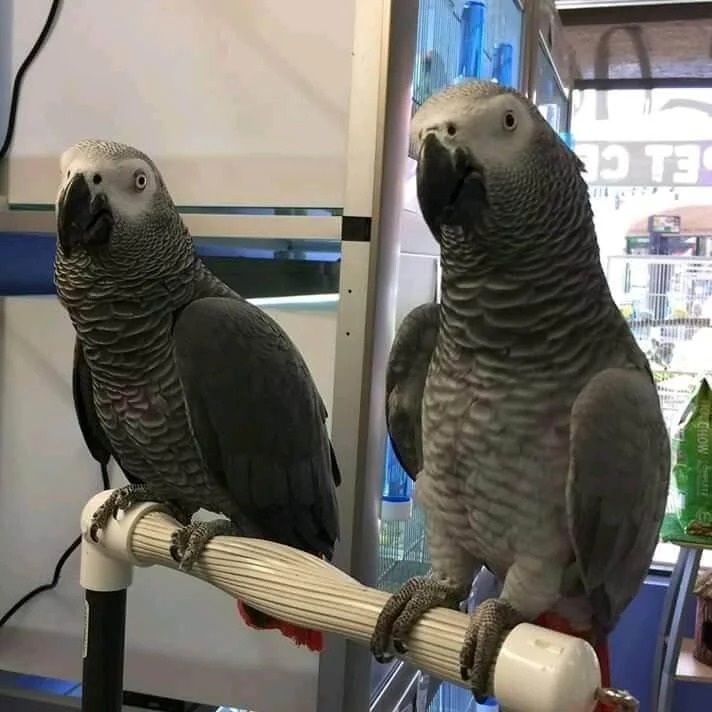 It can become anxious and destructive if you leave an female african grey parrot gray alone for a long period of time. It may also screech in a bid to draw attention.
Cage
African Greys require a lot of interaction and attention. They also require a large cage. It isn't cheap, but they are worth the cost. Make sure that the cage you purchase is constructed of stainless steel or powder coated and has adequate bar-spacing to keep your African Grey safe. You need to be able to clean the cage and get to your bird easily every day. It is also important to include different toys and activities to the cage of your bird. It is important to ensure that your parrot has plenty of places to sit in the cage at different heights and in different materials and textures. This will help maintain their claws, meaning you don't have to cut them frequently.
When selecting the cage for your African Grey, it is important to consider the dimensions of the bird as well as the space you have at your home. A minimum size of 3 feet wide and 2 ft deep is recommended. The size of the cage determines how long your congo african grey parrot Grey will spend in the cage, as well as how many toys are able to be put inside. It is also worth considering buying a separate stand for your African Grey. It is possible to move the stand from one room to another and take your bird along with you when you need it.
The cage should include a sliding tray and grid to make cleaning easier. It is recommended to select a cage that has locks for all doors and feeders so that your bird is unable to escape or get out of the cage. You should also look for cages that have both vertical and horizontal bars to allow your African Grey to climb more easily.
It is also important to ensure that the cage has plenty of bars to connect perches, toys, and other things. Avoid cages with round sides that are round, as they can hinder the African Grey from spreading his wings. It is also a good idea to place the cage in a location that is not too busy and in an area that is temperature-controlled. You should also make sure that the cage is not near drafts, window or other areas where a parrot might become too hot or cold.
Food
African Greys are intelligent and social birds who love playing games and music with people. They can learn to speak and have a very distinctive, often deep voice. They are a great bird for experienced parrot owners. They are not recommended for new parrot owners because they can be very vocal and can lead to disruption in the home. They can be noisy and shout, whine and scream if they are upset or bored. These noises can disturb neighbours and family members, African Grey Parrot in particular those who are not used to hearing a parrot at home. They can also be destructive and scratch at their feathers and if not well trained, they can chew through wires and wooden furniture.
A large iron cage that is free of chips and rust is best for an African Grey. It should be at minimum 36" in size and 24" and 48". A cage with wide gaps isn't suitable for your bird since he or she can get trapped between the bars.
They consume a assortment of fruits, vegetables seeds, nuts, and seeds. They prefer a diet that is high in minerals. It is recommended that 80percent of the diet be pellets, and 20% high-quality fresh foods. Calcium is also essential to maintain bone health. Calcium can be obtained through high-quality pellets that contain an assortment of calcareous plants and vegetables. Some carers plant plants like dandelion's flowers, leaves and stems to get their greys (beware that some plants are poisonous such as holly, poinsettia and yarrow).
The omnivores need a variety of fresh, high-quality food items that are nutritionally dense to be healthy. They could develop behavioral or health issues if they don't receive enough nutrients in their diet. Parrots of this species require regular veterinary check-ups to detect early signs and maintain the best health. Find a vet who is specialized in exotic animals is a good option since they are aware of their particular requirements.
Toys
Due to their inherent curiosity and intelligence, African Greys need a lot of attention and interaction. They require stimulation throughout the day for 5 hours to stay healthy and content. They can easily become bored and, if not stimulated, may turn to destructive behavior like feather-picking or nipping. These issues can be addressed through the proper training in the correct environment.
To keep your African Grey busy and entertained, you will need to provide a variety of toys. They are safe and made of robust materials that can stand up to chewing. They should be free of sharp objects and toxic metals that can cause injury. You should consider giving the trees branches that are pesticide and nontoxic. This will satisfy their natural desire to play and chew on trees, and giving them fresh air.
In the wild, African Greys live in mangrove forests along the coast as well as clearings and woodlands in forest edges in West and Central Africa. The Timneh is located in a small area that extends from the western border to the Ivory Coast and southern Guinea. Both species are classified as endangered or threatened. The trade between countries for Grey parrots is a major factor in their decline. The vast majority of these birds were taken from the wild, which could have serious implications for the conservation of animals and their welfare.
While you won't be able to find an african grey for free, you can reduce your initial expenses by purchasing a pre-owned bird from a breeder or a shelter. These birds are typically more accustomed to handling by humans and have been socialized properly which makes them much easier to train. In addition alex the african grey parrot previous owner will likely have all of the cages, toys, and supplies that you need.
If you are looking to buy an african grey Parrot gray, be sure to purchase an enclosure that is large enough. A cage that is too small will make it difficult for the bird to spread its wings and will restrict its exercise. Additionally it is essential to avoid cages made of iron which are painted with lead paint. Lead poisoning is fatal to birds.
Training
African Grey parrots are highly intelligent, sociable and talkative birds. They are excellent pets for people who can dedicate the time and energy they require. However, they aren't for people who are new to bird ownership since they require more attention and mental stimulation than other birds. If they don't have enough interaction or toys, they may develop destructive behavior and depression. They are also expensive to care for and suffer from a variety of health issues. Before you decide to adopt a parrot, make sure you are aware of all the costs.
It takes a lot of effort to teach African Greys to talk. The process begins when they're about an year old, but some are able to speak earlier. They can imitate human sounds and phrases as well. These birds are very vocal, especially in the early morning hours and at night. In the wild, they use these calls to communicate with their flock members.
The best method to train a Grey is to begin early and expose it to different situations and people as quickly as you can. It is also essential to get an enclosure that is big and free of rust and chips. If you are looking to train your African Grey it is best to keep the sessions short, positive and always ending on positive note. This might be two five-minute sessions a day.
It is also important to show your pet where it can drop its food and poop. This will allow you to keep your home tidy and help prevent health problems. Place newspapers under the cage, on play stands or perches. After several weeks after which the Grey will start to prefer these surfaces over its owner.
African Greys can live up to 50 years old, therefore you should think about this before you decide to purchase one. They require lots of care and affection, and they can be extremely expensive to maintain. Additionally, they are dust birds and will create plenty of dust in your home. This could be a problem for people with allergies or asthma.
African Greys are a great pet for bird owners who are experienced. They are smart and require a lot time and stimulation.
It can become anxious and destructive if you leave an female african grey parrot gray alone for a long period of time. It may also screech in a bid to draw attention.Cage
African Greys require a lot of interaction and attention. They also require a large cage. It isn't cheap, but they are worth the cost. Make sure that the cage you purchase is constructed of stainless steel or powder coated and has adequate bar-spacing to keep your African Grey safe. You need to be able to clean the cage and get to your bird easily every day. It is also important to include different toys and activities to the cage of your bird. It is important to ensure that your parrot has plenty of places to sit in the cage at different heights and in different materials and textures. This will help maintain their claws, meaning you don't have to cut them frequently.
When selecting the cage for your African Grey, it is important to consider the dimensions of the bird as well as the space you have at your home. A minimum size of 3 feet wide and 2 ft deep is recommended. The size of the cage determines how long your congo african grey parrot Grey will spend in the cage, as well as how many toys are able to be put inside. It is also worth considering buying a separate stand for your African Grey. It is possible to move the stand from one room to another and take your bird along with you when you need it.
The cage should include a sliding tray and grid to make cleaning easier. It is recommended to select a cage that has locks for all doors and feeders so that your bird is unable to escape or get out of the cage. You should also look for cages that have both vertical and horizontal bars to allow your African Grey to climb more easily.
It is also important to ensure that the cage has plenty of bars to connect perches, toys, and other things. Avoid cages with round sides that are round, as they can hinder the African Grey from spreading his wings. It is also a good idea to place the cage in a location that is not too busy and in an area that is temperature-controlled. You should also make sure that the cage is not near drafts, window or other areas where a parrot might become too hot or cold.
Food
African Greys are intelligent and social birds who love playing games and music with people. They can learn to speak and have a very distinctive, often deep voice. They are a great bird for experienced parrot owners. They are not recommended for new parrot owners because they can be very vocal and can lead to disruption in the home. They can be noisy and shout, whine and scream if they are upset or bored. These noises can disturb neighbours and family members, African Grey Parrot in particular those who are not used to hearing a parrot at home. They can also be destructive and scratch at their feathers and if not well trained, they can chew through wires and wooden furniture.
A large iron cage that is free of chips and rust is best for an African Grey. It should be at minimum 36" in size and 24" and 48". A cage with wide gaps isn't suitable for your bird since he or she can get trapped between the bars.
They consume a assortment of fruits, vegetables seeds, nuts, and seeds. They prefer a diet that is high in minerals. It is recommended that 80percent of the diet be pellets, and 20% high-quality fresh foods. Calcium is also essential to maintain bone health. Calcium can be obtained through high-quality pellets that contain an assortment of calcareous plants and vegetables. Some carers plant plants like dandelion's flowers, leaves and stems to get their greys (beware that some plants are poisonous such as holly, poinsettia and yarrow).
The omnivores need a variety of fresh, high-quality food items that are nutritionally dense to be healthy. They could develop behavioral or health issues if they don't receive enough nutrients in their diet. Parrots of this species require regular veterinary check-ups to detect early signs and maintain the best health. Find a vet who is specialized in exotic animals is a good option since they are aware of their particular requirements.
Toys
Due to their inherent curiosity and intelligence, African Greys need a lot of attention and interaction. They require stimulation throughout the day for 5 hours to stay healthy and content. They can easily become bored and, if not stimulated, may turn to destructive behavior like feather-picking or nipping. These issues can be addressed through the proper training in the correct environment.
To keep your African Grey busy and entertained, you will need to provide a variety of toys. They are safe and made of robust materials that can stand up to chewing. They should be free of sharp objects and toxic metals that can cause injury. You should consider giving the trees branches that are pesticide and nontoxic. This will satisfy their natural desire to play and chew on trees, and giving them fresh air.
In the wild, African Greys live in mangrove forests along the coast as well as clearings and woodlands in forest edges in West and Central Africa. The Timneh is located in a small area that extends from the western border to the Ivory Coast and southern Guinea. Both species are classified as endangered or threatened. The trade between countries for Grey parrots is a major factor in their decline. The vast majority of these birds were taken from the wild, which could have serious implications for the conservation of animals and their welfare.
While you won't be able to find an african grey for free, you can reduce your initial expenses by purchasing a pre-owned bird from a breeder or a shelter. These birds are typically more accustomed to handling by humans and have been socialized properly which makes them much easier to train. In addition alex the african grey parrot previous owner will likely have all of the cages, toys, and supplies that you need.
If you are looking to buy an african grey Parrot gray, be sure to purchase an enclosure that is large enough. A cage that is too small will make it difficult for the bird to spread its wings and will restrict its exercise. Additionally it is essential to avoid cages made of iron which are painted with lead paint. Lead poisoning is fatal to birds.
Training
African Grey parrots are highly intelligent, sociable and talkative birds. They are excellent pets for people who can dedicate the time and energy they require. However, they aren't for people who are new to bird ownership since they require more attention and mental stimulation than other birds. If they don't have enough interaction or toys, they may develop destructive behavior and depression. They are also expensive to care for and suffer from a variety of health issues. Before you decide to adopt a parrot, make sure you are aware of all the costs.
It takes a lot of effort to teach African Greys to talk. The process begins when they're about an year old, but some are able to speak earlier. They can imitate human sounds and phrases as well. These birds are very vocal, especially in the early morning hours and at night. In the wild, they use these calls to communicate with their flock members.
The best method to train a Grey is to begin early and expose it to different situations and people as quickly as you can. It is also essential to get an enclosure that is big and free of rust and chips. If you are looking to train your African Grey it is best to keep the sessions short, positive and always ending on positive note. This might be two five-minute sessions a day.
It is also important to show your pet where it can drop its food and poop. This will allow you to keep your home tidy and help prevent health problems. Place newspapers under the cage, on play stands or perches. After several weeks after which the Grey will start to prefer these surfaces over its owner.
African Greys can live up to 50 years old, therefore you should think about this before you decide to purchase one. They require lots of care and affection, and they can be extremely expensive to maintain. Additionally, they are dust birds and will create plenty of dust in your home. This could be a problem for people with allergies or asthma.
댓글목록
등록된 댓글이 없습니다.