
7 Simple Strategies To Totally Enjoying Your Refrigerated Containers
페이지 정보
본문
Refrigerated Containers
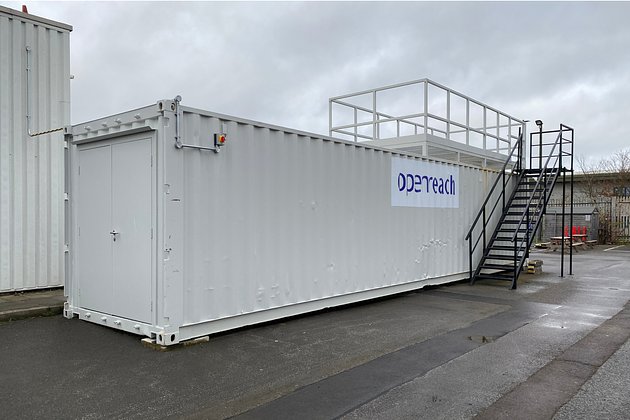 Refrigerated Containers (also known as reefers) are used by a variety of industries to transport temperature-sensitive products over long distances. A refrigerated container can be customized to include features like remote monitoring and backup power options.
Utilizing a refrigerated 8ft Shipping Containers container will ensure that your items arrive in pristine condition. Modern refrigeration units are focused on energy efficiency and superior insulation.
Customization
When refrigerated containers are involved every decision you make paves the way for the safety and quality of your cargo. From sizes that meet the requirements of different shipping options to advanced features that enhance the efficiency of your cold chain, your discerning choices ensure the optimal shipment conditions required to ensure that your products are at their best.
For instance, selecting containers that are sized to the volume of your product reduces temperature fluctuations and increases efficiency of energy. The type of insulation you choose is equally important. Foam and vacuum insulation panels are both available, however selecting the best option is dependent on your specific needs. Foam is more affordable, but vacuum insulation panels have superior thermal resistance.
In the world of reefer technology using IoT capabilities allows for continuous monitoring and alerts to make sure your shipment is safe throughout its journey. Digital advancements also boost operational efficiency and transparency in supply chain.
A specialized refrigeration unit can be designed to meet the specific specifications of your products and ensure their welfare during long voyages for example, Specialized Containers when it comes to pharmaceuticals or live cargo. These specialized containers may feature redundancy systems to prevent any unexpected system malfunctions. They may be equipped with materials that meet the strict standards of the pharmaceutical sector or provide a secure and healthy environment for transit for livestock.
Other technological innovations could include airflow vents and fresh air ducts to control the inside atmosphere, ensuring it in place. These piping systems eliminate gases such as ethylene, which accelerates the ripening of fruits and promote an uniform distribution of temperature throughout the container. A built-in drainage system helps to prevent the accumulation of water and insect infestation.
Energy Efficiency
Refrigerated Containers provide a secure and safe place to store temperature-sensitive cargo. They are able to protect food items, pharmaceuticals, premium foods and other items. They are constructed with sophisticated controls and a high-quality insulation to ensure that internal temperatures remain stable. They also have advanced security features that will ensure your product is safe from theft and vandalism. Some containers are also designed to be eco-friendly and utilize renewable energy sources, making them a sustainable option for businesses.
Refrigeration systems are essential to ensure the quality of cargo, but they also consume a lot energy. This is particularly relevant when there are a lot of containers on the same container vessel or at the terminal. This high electricity consumption can be offset by using refrigerated containers that have automated temperature management systems. These systems are designed to monitor and adjust the temperature of the container in accordance with its surroundings, resulting in significant energy savings.
Modern refrigerated container (reefers), which are designed to be energy efficient, utilize advanced insulation and cooling technology in order to minimize power consumption. They are often also equipped with diesel generators which can be used in places that do not have electricity. This permits them to continue operating in transit or when stationary power is not available.
The exchange of heat between the interior of the container and the surrounding environment is responsible for a significant part of the electricity consumption in refrigerated containers. The heat exchange happens through insulation that is resistant to cold. The proportion of this is 35 to 85% when cooling and up to 50% when heating (Filina & Filin 2004).
The following steps are suggested to cut down on the energy consumption by refrigerated container. These include adjusting the layout of terminals and electrical handling equipment use, search for energy-saving operating modes of refrigerated containers with frozen or cooled cargo, and the integration of trucks and cranes scheduling (Yang and Lin 2013). It is worth noting that the reduction of ( Overset Bulletproof Q _1 ) component share will result in a proportional reduction in the total electricity consumption. The application of the proposed measures is suggested for small seaports and container terminals across the world as component of their energy conservation and innovation-driven development strategies.
Security
Refrigerated containers are designed with the most advanced security features to keep your goods safe from tampering. The robust container Construction Containers can stand up to environmental damage and external temperature fluctuations, and the built-in door locks protect against unauthorized access. The refrigeration systems are totally isolated from the rest of the container, making sure that any alteration to the system or malfunctions will not affect the temperature. The units can also be equipped with temperature alarms that warn you of any problems in real-time.
Many industries rely on refrigerated container to transport their products. From catering companies that ship prepared meals to research laboratories that transport sensitive samples, refrigerated containers provide reliable, temperature-controlled transportation. In addition to preserving the quality of the products, refrigerated containers help businesses reduce waste and ensure compliance with regulatory requirements. In industries that deal with perishable products spoilage and waste are significant problems. Spoilage can cause financial loss, but could also pose a threat to the safety of consumers. With the most advanced temperature control, refrigerated containers can preserve the quality of the products, increasing their shelf life and making them available for longer.
The insulation of top quality in refrigerated container keeps the temperature inside constant, allowing for an exact control of the climate. Modern reefer containers can offer different cooling options, from chilled to subzero freezing. This allows you to adjust the temperature to meet your needs and ensure your goods are kept in good condition.
Moreover, premium refrigerated containers are equipped with advanced air circulation systems that ensure an even temperature throughout the cargo space. They're equipped with fans that distribute the cold air evenly, preventing hot spots and provide superior airflow. These units also feature humidity control to ensure that your cargo remains fresh and free of spoilage. Controlling humidity is especially important for fruits and vegetables that continue to generate heat and create ethylene after harvesting. Additionally the ventilation system is designed to remove these gases from the container.
Refrigerated containers play an essential part in global trade. They help businesses connect with customers across the world, without compromising on product quality. To meet your specific needs, look for units that have precise temperature controls, remote monitors, and backup power options.
Maintenance
Refrigerated Containers are a great way to transport temperature-sensitive cargo, but they require proper maintenance and cleaning to ensure optimal performance. Routine calibration, power maintenance, and insulation maintenance are the most effective ways to keep your the refrigerated container in good order.
Temperature Monitoring
Refrigerated containers can be monitored remotely to ensure the temperature within stays within a specific range. This feature provides logistics professionals with detailed records of data to aid in quality assurance. Specialized containers for reefers also come with backup power sources to ensure that temperature control systems are not disrupted by power outages.
Cooling
Refrigerated containers employ an airflow system that distributes cold air throughout the interior, ensuring the cargo at an optimum temperature. This helps eliminate gasses, moisture, and ethylene that are generated by vegetables and fruits that can cause spoilage.
It is important to regularly inspect the insulated piping in reefers to ensure that there is no leakage. A soap and halide light or electronic leak detector will assist in identifying the problem. It is also an excellent idea to examine the interior of the refrigerator unit on a regular basis to see if there is any accumulation of ice. This could affect the cooling capacity of the container and should be addressed as soon as it is possible.
The main component of the cooling process is the compressor that is responsible for pressurizing and circulating the refrigerant within the refrigeration system. Routine calibration of the compressor will improve its efficiency and decrease energy consumption.
Insulation is a crucial element of the special reefer containers, as it minimizes the heat exchange between the interior and exterior. To maximize the efficiency of thermal energy and to ensure constant temperatures throughout the Shipping Containers journey high-quality insulation materials such as polyurethane is used.
The final step to ensure the integrity of the refrigerated container is to conduct regular cleanings. This involves cleaning dirt and grime off the interior as well as wiping down all of the surfaces of the container. This is particularly important in areas that could compromise the seals of doors for instance, behind and under them.
 It is also an excellent idea to re-paint the exterior of the refrigerated container on a regular basis. Use marine-grade paint to protect the container against corrosion and to keep it in perfect condition. It is also important to repair minor dents which could affect the integrity of seals.
Refrigerated Containers (also known as reefers) are used by a variety of industries to transport temperature-sensitive products over long distances. A refrigerated container can be customized to include features like remote monitoring and backup power options.Utilizing a refrigerated 8ft Shipping Containers container will ensure that your items arrive in pristine condition. Modern refrigeration units are focused on energy efficiency and superior insulation.
Customization
When refrigerated containers are involved every decision you make paves the way for the safety and quality of your cargo. From sizes that meet the requirements of different shipping options to advanced features that enhance the efficiency of your cold chain, your discerning choices ensure the optimal shipment conditions required to ensure that your products are at their best.
For instance, selecting containers that are sized to the volume of your product reduces temperature fluctuations and increases efficiency of energy. The type of insulation you choose is equally important. Foam and vacuum insulation panels are both available, however selecting the best option is dependent on your specific needs. Foam is more affordable, but vacuum insulation panels have superior thermal resistance.
In the world of reefer technology using IoT capabilities allows for continuous monitoring and alerts to make sure your shipment is safe throughout its journey. Digital advancements also boost operational efficiency and transparency in supply chain.
A specialized refrigeration unit can be designed to meet the specific specifications of your products and ensure their welfare during long voyages for example, Specialized Containers when it comes to pharmaceuticals or live cargo. These specialized containers may feature redundancy systems to prevent any unexpected system malfunctions. They may be equipped with materials that meet the strict standards of the pharmaceutical sector or provide a secure and healthy environment for transit for livestock.
Other technological innovations could include airflow vents and fresh air ducts to control the inside atmosphere, ensuring it in place. These piping systems eliminate gases such as ethylene, which accelerates the ripening of fruits and promote an uniform distribution of temperature throughout the container. A built-in drainage system helps to prevent the accumulation of water and insect infestation.
Energy Efficiency
Refrigerated Containers provide a secure and safe place to store temperature-sensitive cargo. They are able to protect food items, pharmaceuticals, premium foods and other items. They are constructed with sophisticated controls and a high-quality insulation to ensure that internal temperatures remain stable. They also have advanced security features that will ensure your product is safe from theft and vandalism. Some containers are also designed to be eco-friendly and utilize renewable energy sources, making them a sustainable option for businesses.
Refrigeration systems are essential to ensure the quality of cargo, but they also consume a lot energy. This is particularly relevant when there are a lot of containers on the same container vessel or at the terminal. This high electricity consumption can be offset by using refrigerated containers that have automated temperature management systems. These systems are designed to monitor and adjust the temperature of the container in accordance with its surroundings, resulting in significant energy savings.
Modern refrigerated container (reefers), which are designed to be energy efficient, utilize advanced insulation and cooling technology in order to minimize power consumption. They are often also equipped with diesel generators which can be used in places that do not have electricity. This permits them to continue operating in transit or when stationary power is not available.
The exchange of heat between the interior of the container and the surrounding environment is responsible for a significant part of the electricity consumption in refrigerated containers. The heat exchange happens through insulation that is resistant to cold. The proportion of this is 35 to 85% when cooling and up to 50% when heating (Filina & Filin 2004).
The following steps are suggested to cut down on the energy consumption by refrigerated container. These include adjusting the layout of terminals and electrical handling equipment use, search for energy-saving operating modes of refrigerated containers with frozen or cooled cargo, and the integration of trucks and cranes scheduling (Yang and Lin 2013). It is worth noting that the reduction of ( Overset Bulletproof Q _1 ) component share will result in a proportional reduction in the total electricity consumption. The application of the proposed measures is suggested for small seaports and container terminals across the world as component of their energy conservation and innovation-driven development strategies.
Security
Refrigerated containers are designed with the most advanced security features to keep your goods safe from tampering. The robust container Construction Containers can stand up to environmental damage and external temperature fluctuations, and the built-in door locks protect against unauthorized access. The refrigeration systems are totally isolated from the rest of the container, making sure that any alteration to the system or malfunctions will not affect the temperature. The units can also be equipped with temperature alarms that warn you of any problems in real-time.
Many industries rely on refrigerated container to transport their products. From catering companies that ship prepared meals to research laboratories that transport sensitive samples, refrigerated containers provide reliable, temperature-controlled transportation. In addition to preserving the quality of the products, refrigerated containers help businesses reduce waste and ensure compliance with regulatory requirements. In industries that deal with perishable products spoilage and waste are significant problems. Spoilage can cause financial loss, but could also pose a threat to the safety of consumers. With the most advanced temperature control, refrigerated containers can preserve the quality of the products, increasing their shelf life and making them available for longer.
The insulation of top quality in refrigerated container keeps the temperature inside constant, allowing for an exact control of the climate. Modern reefer containers can offer different cooling options, from chilled to subzero freezing. This allows you to adjust the temperature to meet your needs and ensure your goods are kept in good condition.
Moreover, premium refrigerated containers are equipped with advanced air circulation systems that ensure an even temperature throughout the cargo space. They're equipped with fans that distribute the cold air evenly, preventing hot spots and provide superior airflow. These units also feature humidity control to ensure that your cargo remains fresh and free of spoilage. Controlling humidity is especially important for fruits and vegetables that continue to generate heat and create ethylene after harvesting. Additionally the ventilation system is designed to remove these gases from the container.
Refrigerated containers play an essential part in global trade. They help businesses connect with customers across the world, without compromising on product quality. To meet your specific needs, look for units that have precise temperature controls, remote monitors, and backup power options.
Maintenance
Refrigerated Containers are a great way to transport temperature-sensitive cargo, but they require proper maintenance and cleaning to ensure optimal performance. Routine calibration, power maintenance, and insulation maintenance are the most effective ways to keep your the refrigerated container in good order.
Temperature Monitoring
Refrigerated containers can be monitored remotely to ensure the temperature within stays within a specific range. This feature provides logistics professionals with detailed records of data to aid in quality assurance. Specialized containers for reefers also come with backup power sources to ensure that temperature control systems are not disrupted by power outages.
Cooling
Refrigerated containers employ an airflow system that distributes cold air throughout the interior, ensuring the cargo at an optimum temperature. This helps eliminate gasses, moisture, and ethylene that are generated by vegetables and fruits that can cause spoilage.
It is important to regularly inspect the insulated piping in reefers to ensure that there is no leakage. A soap and halide light or electronic leak detector will assist in identifying the problem. It is also an excellent idea to examine the interior of the refrigerator unit on a regular basis to see if there is any accumulation of ice. This could affect the cooling capacity of the container and should be addressed as soon as it is possible.
The main component of the cooling process is the compressor that is responsible for pressurizing and circulating the refrigerant within the refrigeration system. Routine calibration of the compressor will improve its efficiency and decrease energy consumption.
Insulation is a crucial element of the special reefer containers, as it minimizes the heat exchange between the interior and exterior. To maximize the efficiency of thermal energy and to ensure constant temperatures throughout the Shipping Containers journey high-quality insulation materials such as polyurethane is used.
The final step to ensure the integrity of the refrigerated container is to conduct regular cleanings. This involves cleaning dirt and grime off the interior as well as wiping down all of the surfaces of the container. This is particularly important in areas that could compromise the seals of doors for instance, behind and under them.
It is also an excellent idea to re-paint the exterior of the refrigerated container on a regular basis. Use marine-grade paint to protect the container against corrosion and to keep it in perfect condition. It is also important to repair minor dents which could affect the integrity of seals.댓글목록
등록된 댓글이 없습니다.