
The 10 Scariest Things About Offshore Containers
페이지 정보
본문
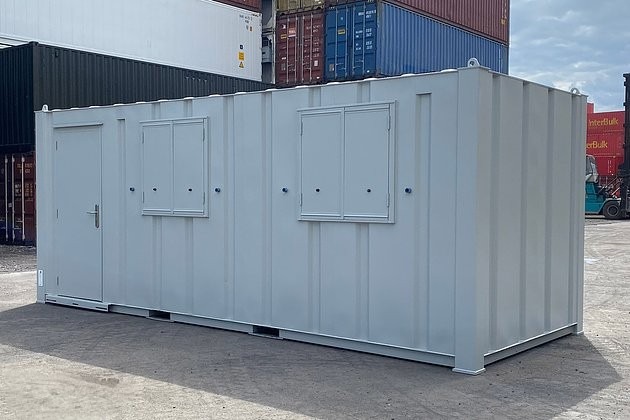 Offshore Containers
Offshore containers are robust shipping units that are used to transport materials, equipment and other supplies to offshore locations. The containers must be in compliance with strict manufacturing standards and comply with DNV 2.7-1 safety ratings.
 They must also undergo rigorous inspections, including the examination of structural blueprints and welding inspections. This ensures that they can manage a variety of loading and unloading forces.
Standardization
As there are standards in place to help shipping containers be able to withstand different environments and serve various purposes, offshore containers must also meet certain standardization requirements to keep the potential for accidents or damage at a minimum. These requirements can vary depending on the purpose of the container, however the goal is to keep the appearance to a minimum so that they are simple to transport, repair, and reuse.
Offshore containers are typically transported between rigs, vessels, and other oil-industry-related locations at sea. They are subjected to rigorous tests and inspections throughout their time of use and must adhere to a number strict requirements which ensure their safety and longevity. This allows for safe and efficient transport as well as storage and handling of equipment that is sensitive without compromising the integrity of the goods inside.
The containers have to be capable of withstand the forces of nature like waves, wind, and currents, that could cause damage to the structure in operation. Offshore containers are constructed according to the DNV standard for certification 2.7-1 which specifies stringent standards for their structural integrity and strength.
In the late 90s, the Maritime Safety Committee (the highest technical body within the International Maritime Organization, who publishes the IMDG code, CSC regulations and is the sole holder of the SOLAS convention) in the late 90s, the Maritime Safety Committee (the highest technical body within the IMO MSC Circular 860 which provides basic design and approval requirements for Offshore Containers handled in open seas. This was a significant publication because it made a clear distinction between the design calculations and the actual verification of Offshore Containers.
Today, the majority of new Offshore Containers are built to ISO 10855 which is an ISO-approved global standard for the design and construction of portable offshore units, with particular considerations for their loading and unloading. This is built on DNV 2.7-1 and EN 12079, and the existing MSC circular 860. This standard guarantees that all transfers and shipments are handled in the most reliable way possible, while making sure that the units remain at the same level of safety that has been consistently assured by DNV. Uniteam Reefer was designed according to these standards. This puts the highest emphasis on safety, and contributes towards seamless operations in our industry.
Durability
Offshore containers are built to withstand the most extreme conditions at sea. In contrast to standard shipping containers, which are usually made of low-grade steel, offshore containers are made from corrosion-resistant materials like carbon-manganese and strong aluminum alloys. They are therefore more durable and last longer than the standard small shipping containers for sale containers. These factors are essential for the safe storage and transport of equipment, tools and supplies in harsh marine environments.
To ensure safety and compliance, offshore containers must meet strict manufacturing standards. They must be in compliance with DNV 2.7-1 standards, which are extremely strict and govern the design, manufacture, testing, marking, and marking of offshore containers. They should also be inspected regularly to ensure that their structural integrity and safety features are maintained.
In the offshore industry there are numerous types of offshore containers available. Some are modified into living quarters and others are converted into workshops and maintenance facilities. There are also containers made for the transport and storage of hazardous materials. These containers must be in compliance with strict environmental regulations. They are made and constructed to be corrosion resistance as well as other features that safeguard the environment.
When selecting a container, offshore containers there are a lot of aspects to take into account. These include the size, weight and expansion capabilities. It is also important to consider the weather conditions the container will be exposed to, as they can impact the strength of the structure. For instance, if the container will be exposed to extreme cold or saltwater It may require insulation or coated with a special material to protect it from damage.
Another factor to consider is the type of equipment to be stored or transported in the container. For instance, there are various sizes of offshore containers that can be used to transport pipes or other heavy equipment. These containers can be customized with racks or shelves to enable loading and unloading equipment less difficult. They can also be outfitted with air conditioning and ventilation systems to provide an environment that is comfortable for employees. Additionally, there are offshore containers that are specifically made for the purpose of transporting and storing chemicals. These containers are protected by special materials and then coated to stop corrosion and damage caused by chemicals.
Safety
Offshore containers are constructed with safety in mind, featuring robust locks and seals that are tamper-proof. Their standard dimensions and specifications make them compatible with a variety of transport methods, which reduces the cost of logistics and time spent on loading and unloading. They can also be modified to suit specific needs, like portable offices or control rooms to meet the needs of various projects. Furthermore, offshore containers are built to the highest standards of industry and regulations, which ensure that they are in compliance with international shipping laws and environmental regulations.
Since they are lifted over the ocean to offshore installations, offshore containers have to be able to withstand the most extreme conditions at sea. This includes harsh weather conditions, rogue waves and relentless corrosion-inducing salt spray. These containers are constructed of durable high-quality, high-end materials to ensure their durability and effectiveness even in the toughest environments.
They're constructed according to a strict and rigorous standard that is DNV 2.7-1 that covers all aspects of the design, manufacture, testing, marking and inspection of offshore containers. This standard, together with the IMO's Maritime Safety Committee (MSC) Regulation 860, helps prevent accidents and ensures that vessels, offshore structures, and containers comply with a set of essential safety requirements to protect the lives of people at sea.
During production, each container is examined thoroughly. This includes checking that fillet welds, as well as other structural welds have been fully perforated and certified. Inspectors also need to perform ultrasonic flaw detection on all load-bearing structural welds as well as on all fork grooves and pad eyes. This is a crucial step in the certification and approval of offshore containers, as it reduces the risk of failures during operation and ensures the safety of the crew members.
Because offshore containers are hoisted at a single point and are subject to larger impacts and are prone to smash into adjacent boxes and hulls. This is the reason they need to be built with top-quality materials that are impact-resistant, such as Q345D and Q345E low-alloy steel.
Regular inspections not only guarantee the safety of crew, but also reduce downtime. This is because they can identify any problems early on and allow for immediate repair or replacement and improving overall efficiency.
Customisation
If you're involved in the oil and gas industry, you'll need an container that can withstand extreme offshore conditions. This is why you should select a manufacturer that has an in-depth understanding of modular construction and a proven track record of modifying containers to meet specific operational requirements.
A well-constructed offshore container should not only provide a safe and secure working environment and be sturdy and weatherproof. It should also comply with strict safety standards such as DNV 2.7-1 and be constructed of top-quality materials like COR-TEN steel. It should also have anti-corrosion coatings that can endure saltwater exposure and the harsh environments.
Containers are used to transport equipment and other supplies essential to oil rigs. They are designed to endure harsh conditions offshore, such as high waves and strong winds. They are also equipped with locks, tamperproof seals, and other security features to ensure safety of cargo. This makes them an excellent option for offshore locations which reduces the risk of theft and damage. They are also constructed according to standard specifications and sizes which makes them suitable with different transportation methods like helicopters and supply ships.
The ACE Container team of experts will analyze your specific requirements to find the right container for your project. Then, they'll create an elaborate blueprint that takes into consideration your preferences as well as any structural modifications required. After you've approved the blueprint, your container will be constructed.
Offshore containers are usually converted into temporary accommodation units for workers working on oil rigs and other marine installations. They can be outfitted with toilets, beds, and showers to provide a safe and comfortable space for workers. They can also be transformed into workshop containers that can be used for maintenance and repairs.
Offshore containers are made to withstand harsh offshore conditions, and they're often fitted with 10ft Storage Containers systems to keep the contents safe and safe. They can also be equipped with electrical components that can operate equipment and machinery in offshore installations. Furthermore, they can be modified to house tools and equipment to repair and maintain. They are also equipped with ventilation and power to ensure secure working conditions.
- 이전글8 Tips To Boost Your Timneh African Grey Parrot Game 25.02.24
- 다음글11 Creative Ways To Write About Mystery Boxes 25.02.24
댓글목록
등록된 댓글이 없습니다.