
Medical Mobility Scooters Tools To Ease Your Daily Life Medical Mobili…
페이지 정보
본문
Medicare and Medicaid Coverage For medical mobility scooters (click the next post)
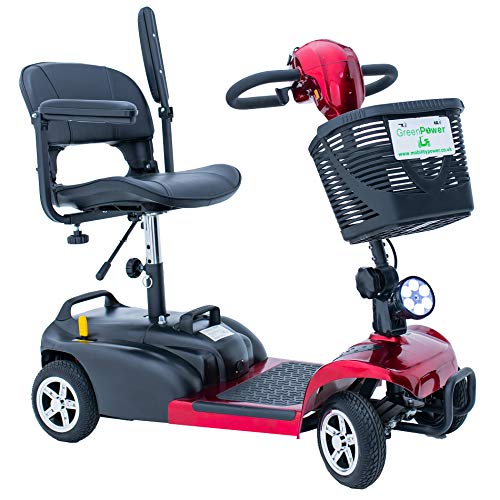 A medical mobility scooter is an excellent option for wheelchair users to get around. It has a larger foot deck and its wheels have a shorter turn radius than electric chairs.
It also provides ample storage space. In addition, some portable models can dismantle into smaller parts and fit inside a car trunk.
How to get a medical scooter through Medicare
If you're having trouble getting around without a walker or wheelchair it is possible to qualify for Medicare to pay for a mobility scooter. Medicare Part B will pay up to 80% the cost of medical mobility scooters if you meet certain criteria. Talk to your doctor about whether you qualify for coverage. Then, you can contact a Medicare-approved provider that accepts assignments.
A medical scooter is regarded as durable medical equipment (DME) under Medicare Part B. Medicare will only cover the cost of a medical scooter if you are able to have a personal consultation with your physician. A doctor will assess your situation to determine whether a scooter is required for you to get around at home. If so, they will write a prescription that will allow Medicare to cover the scooter.
Once you have an appropriate prescription, you are able to begin shopping for the perfect scooter. When you are choosing a scooter there are many factors to consider. These include the weight capacity as well as the turning radius. It is also important to ensure that the scooter is safe to use outside your house and [empty] can take on a variety of terrains.
Some Medicare Advantage plans provide scooter coverage however, you'll need to confirm with your plan before buying one. It's crucial to do your research prior to buying a scooter. Certain plans have an expense limit. Also, you should consider the advantages of different models and brands. Some are more affordable mobility scooters than others, and it's important to think about the features you'll need the most.
The Medicare scooter coverage amount differs from plan to plan but all have the same basic requirements. To be eligible for benefits, you must be enrolled in Medicare Part B and a doctor will need to prescribe it. The doctor must also verify that you are unable to travel around your house without it. In most instances, scooters are covered when they are used indoors.
A Medicare-approved DME provider can help you choose the scooter that is suitable for you. They'll visit your home and evaluate the space to determine if the scooter can maneuver through the rooms, hallways and furniture. They will also test the motor, to ensure that it can handle your weight and a variety of terrains.
Medicare-approved scooters are available in a variety of sizes and styles. Some are designed as an eye-catching fashion statement, whereas others are designed with the highest performance in mind. The Maxima medical mobility scooter is a great example of a fashionable mobility device that offers both performance and adjustable mobility scooters. It can reach the highest speed of 5.3 miles per hour and can carry up 500 pounds. It is available in two colors: Candy Apple Red and Viper Blue.
Accessing a Medical Scooter through Medicaid
There are a variety of funding options available for those who are unable to move due to a medical condition. These include Medicare and Medicaid, which offer assistance for individuals who meet certain eligibility requirements. Consult a healthcare professional before selecting the kind of medical scooter suitable for you.
In general, Medicare Part B pays for durable medical equipment (DME) like mobility scooters, if you present a doctor's prescription and demonstration of a need for the device. It is recommended to contact your local Medicaid office and find out if they can help you. If you qualify, choose a DME provider that accepts Medicaid. They should also be willing to work with you and your physician to collect all necessary documentation.
Once you have located a DME provider that accepts Medicaid, select the scooter that is right for your medical needs. Take into consideration factors like the turning radius, the assemble weight, and ground clearance. For example the three-wheeled mobility model is able to maneuver better in tight spaces or [empty] around corners than a four-wheeled model. Assembled weight is also important to keep in mind since lighter scooters are simpler to transport and put together.
Some states have additional programs that offer assistance for the purchase or rental of the medical scooter. For more information about these programs, you can contact your local Department of Health and Department of Aging. Veterans Affairs also offers various mobility aids for disabled veterans who meet the criteria.
It can take a while to acquire a medical scooter through Medicaid, but it's important to be patient. You can make the process of getting a medical wheelchair through Medicaid as easy as possible by working closely with your healthcare provider and looking up information about coverage.
In addition to the options described above, you may be able to obtain an electric scooter through your private insurance company or other sources of funding such as community organizations and grants. The exact process varies by state and organization. For instance, you can consult local disability advocacy groups or independent living centers to find out what options are available in your area. These organizations might be able recommend local businesses that sell Medicaid-approved scooters. They might also be able assist you apply for.
The process of obtaining a medical scooter through private insurance
In addition to Medicare private health insurance may also provide mobility scooters. In this instance, the insurance company will assess medical necessity and other criteria. This includes a face to examination of the face and a prescription by a licensed healthcare professional. Additionally, the scooter must be deemed to be necessary to perform daily tasks and be able meet specific weight capacities and other specifications. Certain insurance plans for private customers will cover the accessories.
Medicare Part B will cover medical scooters as long as they are considered durable medical equipment. This means that the device will be reimbursed up to 80 percent by the insurer once the deductible has been met. The patient is responsible for the remaining 20 percent. This applies to all types of scooters, which includes three-wheel and four-wheel models. However, there are a few exceptions to this rule. Some models are too big to be considered portable, and must instead be towed by a vehicle.
First, you need an order from your physician to purchase a medical scooter. Then, the individual will have to locate an DME provider that accepts their insurance. The DME company then forwards the medical records and order forms to the insurance company to be approved. Once the insurance has approved your request, you'll be issued the medical scooter.
The most important thing to keep in mind about obtaining medical scooters through private insurance is that the device has to be used for everyday activities. It must be able to help the user move around, perform everyday tasks like dressing, bathing and eating. The scooter can be used to transportation both inside and outside of the home. In some instances medical scooters can be used to go shopping.
In certain states, Medicaid may also cover the cost of medical scooters. However, each state has its own rules. For instance, in some states where the Medicaid program is only available for scooters that are hired from a contracted Medicare supplier. This is referred to as the Competitive Bidding Program. In other instances, the Medicaid program might only provide a medical scooter if it's an existing model that's accessible at a reasonable cost.
A medical adjustable mobility scooters scooter can be an excellent tool for people with limited senior mobility scooters. Scooters can assist people in regaining their independence after an accident or illness. In many instances medical scooters could be a better option than the wheelchair. It offers more stability and comfort, making it the ideal option for those who wish to remain mobile. In the majority of situations it is the ideal choice for individuals who have trouble standing or walking for prolonged periods of time.
A medical mobility scooter is an excellent option for wheelchair users to get around. It has a larger foot deck and its wheels have a shorter turn radius than electric chairs.It also provides ample storage space. In addition, some portable models can dismantle into smaller parts and fit inside a car trunk.
How to get a medical scooter through Medicare
If you're having trouble getting around without a walker or wheelchair it is possible to qualify for Medicare to pay for a mobility scooter. Medicare Part B will pay up to 80% the cost of medical mobility scooters if you meet certain criteria. Talk to your doctor about whether you qualify for coverage. Then, you can contact a Medicare-approved provider that accepts assignments.
A medical scooter is regarded as durable medical equipment (DME) under Medicare Part B. Medicare will only cover the cost of a medical scooter if you are able to have a personal consultation with your physician. A doctor will assess your situation to determine whether a scooter is required for you to get around at home. If so, they will write a prescription that will allow Medicare to cover the scooter.
Once you have an appropriate prescription, you are able to begin shopping for the perfect scooter. When you are choosing a scooter there are many factors to consider. These include the weight capacity as well as the turning radius. It is also important to ensure that the scooter is safe to use outside your house and [empty] can take on a variety of terrains.
Some Medicare Advantage plans provide scooter coverage however, you'll need to confirm with your plan before buying one. It's crucial to do your research prior to buying a scooter. Certain plans have an expense limit. Also, you should consider the advantages of different models and brands. Some are more affordable mobility scooters than others, and it's important to think about the features you'll need the most.
The Medicare scooter coverage amount differs from plan to plan but all have the same basic requirements. To be eligible for benefits, you must be enrolled in Medicare Part B and a doctor will need to prescribe it. The doctor must also verify that you are unable to travel around your house without it. In most instances, scooters are covered when they are used indoors.
A Medicare-approved DME provider can help you choose the scooter that is suitable for you. They'll visit your home and evaluate the space to determine if the scooter can maneuver through the rooms, hallways and furniture. They will also test the motor, to ensure that it can handle your weight and a variety of terrains.
Medicare-approved scooters are available in a variety of sizes and styles. Some are designed as an eye-catching fashion statement, whereas others are designed with the highest performance in mind. The Maxima medical mobility scooter is a great example of a fashionable mobility device that offers both performance and adjustable mobility scooters. It can reach the highest speed of 5.3 miles per hour and can carry up 500 pounds. It is available in two colors: Candy Apple Red and Viper Blue.
Accessing a Medical Scooter through Medicaid
There are a variety of funding options available for those who are unable to move due to a medical condition. These include Medicare and Medicaid, which offer assistance for individuals who meet certain eligibility requirements. Consult a healthcare professional before selecting the kind of medical scooter suitable for you.
In general, Medicare Part B pays for durable medical equipment (DME) like mobility scooters, if you present a doctor's prescription and demonstration of a need for the device. It is recommended to contact your local Medicaid office and find out if they can help you. If you qualify, choose a DME provider that accepts Medicaid. They should also be willing to work with you and your physician to collect all necessary documentation.
Once you have located a DME provider that accepts Medicaid, select the scooter that is right for your medical needs. Take into consideration factors like the turning radius, the assemble weight, and ground clearance. For example the three-wheeled mobility model is able to maneuver better in tight spaces or [empty] around corners than a four-wheeled model. Assembled weight is also important to keep in mind since lighter scooters are simpler to transport and put together.
Some states have additional programs that offer assistance for the purchase or rental of the medical scooter. For more information about these programs, you can contact your local Department of Health and Department of Aging. Veterans Affairs also offers various mobility aids for disabled veterans who meet the criteria.
It can take a while to acquire a medical scooter through Medicaid, but it's important to be patient. You can make the process of getting a medical wheelchair through Medicaid as easy as possible by working closely with your healthcare provider and looking up information about coverage.
In addition to the options described above, you may be able to obtain an electric scooter through your private insurance company or other sources of funding such as community organizations and grants. The exact process varies by state and organization. For instance, you can consult local disability advocacy groups or independent living centers to find out what options are available in your area. These organizations might be able recommend local businesses that sell Medicaid-approved scooters. They might also be able assist you apply for.
The process of obtaining a medical scooter through private insurance
In addition to Medicare private health insurance may also provide mobility scooters. In this instance, the insurance company will assess medical necessity and other criteria. This includes a face to examination of the face and a prescription by a licensed healthcare professional. Additionally, the scooter must be deemed to be necessary to perform daily tasks and be able meet specific weight capacities and other specifications. Certain insurance plans for private customers will cover the accessories.
Medicare Part B will cover medical scooters as long as they are considered durable medical equipment. This means that the device will be reimbursed up to 80 percent by the insurer once the deductible has been met. The patient is responsible for the remaining 20 percent. This applies to all types of scooters, which includes three-wheel and four-wheel models. However, there are a few exceptions to this rule. Some models are too big to be considered portable, and must instead be towed by a vehicle.
First, you need an order from your physician to purchase a medical scooter. Then, the individual will have to locate an DME provider that accepts their insurance. The DME company then forwards the medical records and order forms to the insurance company to be approved. Once the insurance has approved your request, you'll be issued the medical scooter.
The most important thing to keep in mind about obtaining medical scooters through private insurance is that the device has to be used for everyday activities. It must be able to help the user move around, perform everyday tasks like dressing, bathing and eating. The scooter can be used to transportation both inside and outside of the home. In some instances medical scooters can be used to go shopping.
In certain states, Medicaid may also cover the cost of medical scooters. However, each state has its own rules. For instance, in some states where the Medicaid program is only available for scooters that are hired from a contracted Medicare supplier. This is referred to as the Competitive Bidding Program. In other instances, the Medicaid program might only provide a medical scooter if it's an existing model that's accessible at a reasonable cost.
A medical adjustable mobility scooters scooter can be an excellent tool for people with limited senior mobility scooters. Scooters can assist people in regaining their independence after an accident or illness. In many instances medical scooters could be a better option than the wheelchair. It offers more stability and comfort, making it the ideal option for those who wish to remain mobile. In the majority of situations it is the ideal choice for individuals who have trouble standing or walking for prolonged periods of time.
댓글목록
등록된 댓글이 없습니다.