
15 Reasons Why You Shouldn't Ignore Best Robot Vacuums
페이지 정보
본문
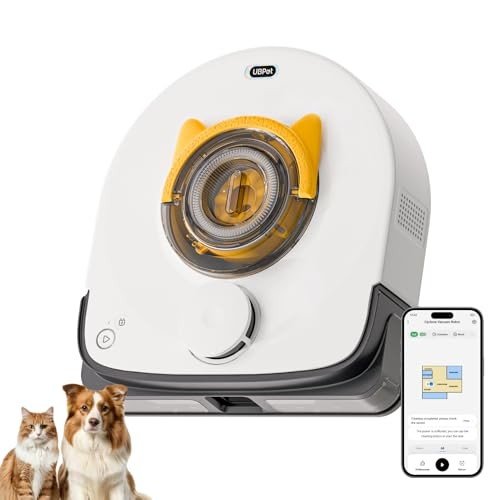 The Best Robot Vacuums
A robot vacuum is a fantastic option to keep your floors clean regardless of whether you live in an area of 3,000 square feet with three shaggy doggies or a stylish apartment. The top models come with self-emptying bases and dock and charge automatically. They also have features such as the cliff sensors.
If you have carpeting, choose a vacuum cleaner with high suction power (measured in Pascals). You can establish no-go zones or virtual barriers to prevent the robot from entering certain areas.
Smart Mapping
A lot of robot vacuums aren't equipped with mapping capabilities which can be a hassle when you're trying to get your house clean. These vacuums that are budget-friendly can be stuck on a broad variety of obstacles, including cords, furniture legs, and pet toys that have popped up from under sofa cushions.
This is why the most effective robot vacuums with obstacle avoidance use multiple sensors and cameras to create a detailed map of the space as they move through your home. They can navigate more efficiently through your home by cleaning in a logical order and not having to spend time on areas they have already cleaned. It also prevents them from getting stuck on items that have been moved during a cleaning session or having to spend time "robot-proofing" your home by keeping cords away.
Robot vacuums use a variety of navigation methods to create these maps, ranging from the simplest to the most advanced. Infrared sensors are used in some budget models, while others use optical sensors that emit the light in a beam and measures how long it takes for the reflected signal to reach its backside, which assists the robot figure out its position in the room. Some high-end robots, like the Eufy S1 Pro, have a feature called SLAM navigation that uses a combination of sensors to create a map when it moves around the room.
This is the most advanced, as it doesn't just allow the robot to move more effectively, but also provides a useful interface for the user. These systems show you a 3D model of your home that you can interact with, and also drop virtual boundaries or even create restricted zones in the app to help the robot avoid. This type of mapping works even in darkness, as long as you have some light source nearby (like an electric lamp) that is able to illuminate a room enough for the robot to see the surroundings.
The latest robots can build a detailed map of their movements through your home with LiDAR or laser scanning. It's not as accurate as SLAM but it's still useful in avoiding obstacles. LiDAR can get tripped up by objects that reflect or absorb the laser beam, for instance dark-colored floors. This can trigger cliff sensors on the majority of robots and cause them to stop.
Self-Emptying Dustbins
One of the most attractive features of robot vacuums is their ability to transfer debris automatically from their dust bins onboard to their docking bases, without any input from the user. This eliminates the need for the user to bend down and empty their bins, which reduces the frequency with the maintenance tasks that are completed. This is especially important if you have a large home and want to reduce the amount of time your hands spend removing dust and dirt.
However, a fully empty robot will take up to 7 hours to fully recharge and then resume cleaning, which might not be suitable for large homes or families with a lot of activity. Many manufacturers allow pausing cleaning and continuing where the robot left off after the battery has been charged. This feature is included on a majority of robots. It is great for parents with young children or those who frequently leave their home to go to work.
Take note of whether the robot utilizes a bag to collect debris or if it does not. Bagged models will stop dust clumps from releasing into the air after they are empty. However, you will have to buy and replace bags regularly. If a bagless model is your preferred choice, look for models with a smart sensor that scans the dustbin for fullness and notify you when it's time to be cleaned.
In addition to self-emptying dustbins The best robotic cleaners also come with cliff sensors and docking sensors to prevent them from falling over or becoming stuck in the middle of obstacles. They also employ advanced AI to enhance efficiency and avoid various types of debris.
Most robot vacuums require regular maintenance and care in order to keep them running smoothly. Regular cleaning of the brushes, wheels and side brushes is necessary to remove pet hairs and other debris that can block and reduce suction power. Monitor the robot's charge frequently to ensure that it is always at its maximum capacity. A battery that is not fully charged can slow down the robot and make it work less efficiently, which is why it's important to check the battery's charge regularly.
Pet Hair Detection
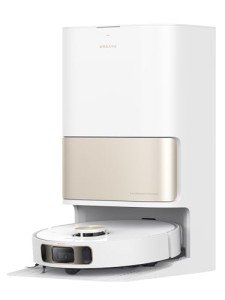 In our tests, some robots were very good at collecting pet hair. These included the Roomba Combo 10 Max as well as the SwitchBot. Other models were not so good at it. The cheaper models rely on bump sensors for object avoidance and they can plow into things like dangling cords and shoelaces (see below). Some of the more expensive vacuum and mop robots we have tested employ advanced intelligent mapping and [empty] learning capabilities to assist them in mapping your home and navigate better over time. This feature is especially beneficial for those with carpeted floors and a lot of pet hair.
To get the most benefit from these features, it's a good idea to conduct regular maintenance. This includes emptying the dust bin as well as cleaning the filters and other nooks and crannies every now and then and wiping down anti-drop and charging sensors. You also should make the effort to update your firmware, which will allow your robot to remain in good working order for many years.
If you own a machine with mopping capabilities, be sure to clean the brush and [Redirect Only] wipe it clean regularly. This is important for keeping it from getting tangled up in hair, and for keeping it in good shape. It's also an ideal idea to change the mop pad every six months or so to make sure it's still functioning properly.
Certain robots can create virtual boundaries or walls using your smartphone. This is useful when you have wires, cords or other things you don't want your robot to come into. Utilizing your smartphone you can create virtual walls or boundary strips. This is especially helpful for those with hanging wires, cables and other objects you don't want the robot sweeper to get stuck on or come into contact with. If you turn on the feature within the app, some robotic vacuum Cleaner amazon cleaners will warn you when they're close to hitting something. This is not a feature all robots offer, but it's worth adding to the list.
Remote Control
Robotic vacuum cleaners are operated remotely and can be controlled by apps, voice commands or traditional remotes. They also have automatic self-charging and scheduling features which allow you to keep a clean home without having to engage in any hands-on. This feature is a huge advantage for those with limited mobility and strength, as it reduces the need to lift heavy furniture or struggle to get into difficult spaces.
The top robotic vacuums are designed to handle a variety of floor surfaces and obstacles, while adjusting their operation to suit. Smart sensors are often included in these vacuums that detect different surfaces and adjust their operations accordingly. This feature lets the robot automatically alter the cleaning method when switching between carpet, tile hardwood, kinds of floors.
These machines with intelligence are a big help in households that have busy lives and frequent guests. Robot vacuums can be programmed to clean your home while you're away, and they can even return to their docking station if the power runs out. This will help you avoid the stress of having an unclean home and save you time and money.
If you choose an option with smart-compatible technology it can connect to your Wi-Fi network and communicate with your smartphone. This allows you to control the device with an app to schedule cleaning sessions and check the status of your battery and map history. You can also use your app to view images of your home when your robot has cameras. This is helpful for detecting things that the robot vacuum sale could have missed during its previous cleaning run like pets or chewed up socks.
The majority of the top robots have this kind of smart integration. Some robots are compatible with Google Assistant. This means that you can use them by simply dictating through an intelligent speaker. However, some devices may not communicate with Google Assistant, due to issues like signal strength or location proximity. Making sure the device is updated, minimizing barriers between it and your Wi-Fi router or even thinking about an extender that connects to Wi-Fi could solve this issue.
댓글목록
등록된 댓글이 없습니다.