
Guide To Gas Certificates Milton Keynes: The Intermediate Guide To Gas…
페이지 정보
본문
Gas Safety Certificates For Landlords
Landlords are legally required to obtain gas safety certificates for their rental properties. These inspections allow tenants to reside in the property with confidence, knowing that it is in compliance with all safety guidelines.
The ACS assessment involves a comprehensive inspection of all gas appliances, fittings and flues within the building. This assessment is carried out by a licensed engineer who is registered with Gas Safe Register.
Landlords
Landlords are legally obligated to have their gas appliances, [empty] flues and equipment tested and certified by a qualified engineer. This is known as a landlord safety inspection or CP12. The CP12 certifies that the appliances and flues can be used by tenants without risk. It also shows if any of them could become unsafe.
The CP12 certificate contains a variety of vital information such as the date of the inspection, the name and Gas Safe Register number of the person who performed the inspection, as well as the names of the appliances that were examined. The certificate also indicates which appliances are at risk and which could require replacement. The engineer will also record any issues discovered during the inspection, for instance gas leaks or evidence of carbon dioxide poisoning.
A non-domestic security certificate (CP 17), also known as a CP 17 in the industry is a legal requirement of any property that makes use of gas for commercial purposes. It confirms that the inspection of gas appliances and installations by an Gas Safe registered Engineer and that they are in compliance with safety standards.
The certificate is required by law for non-domestic establishments, such as hotels and B&Bs as well as commercial establishments that utilize gas appliances, for example, restaurants and offices. The certificate is valid for a period of 12 months and must be renewed each year. Gas safety checks must be conducted before a new resident moves in. Landlords are urged to keep records of previous tests to allow access.
Landlords who own multiple rental units in a building should consider working with a plumbing and HVAC company that can provide complete services. This will allow them to efficiently manage their maintenance requirements and ensure that all of their tenants are safe. This will save them money since they don't have to spend so much on costly repairs and replacements.
Landlords are advised to have their gas appliances and flues checked on a yearly basis, even if they're not legally required to do so. This will help them safeguard themselves from dangerous gas accidents which could lead to serious health issues.
Homeowners
A homeowner who owns a home may require having the property gas safety checked. The inspection should be conducted by a licensed engineer who is registered with the Gas Safe Register. The engineer will inspect the home and [Redirect Only] ensure that all the gas appliances and installations are in good in good working order. He will also look for any possible hazards, such as venting or gas leaks. If he discovers any issues, he'll document it and issue the certificate. The certificate will include the date of the inspection as well as the name and Gas Safe Register number of the engineer, and the specifics of the appliances that were examined.
The Gas Safety Certificate (also known as the Landlord Certificate) is an important legal document which must be issued by an accredited Gas Safe Register emergency gas engineer milton keynes engineer. The document is yellow and black and includes all the required information to validate the inspection. It includes a box that lists the qualifications of the engineer. This can be compared with his ID card. It also has the address of the building and an inventory of all the appliances that were inspected.
The appliance will be marked "Not to Current Standard (NCS)" in the event that it is not up to current standards. The engineer will notify the landlord of any appliances not in compliance with the current standard and recommend what should be done to ensure their safety. In the majority of instances the engineer will suggest to the landlord to replace the appliances with more modern models.
The possession of a valid gas certificate is not just important for homeowners looking to let their property out, but it can also assist them in getting lower insurance rates. In addition the certificate will provide evidence that the home is free of gas appliances that are dangerous, which could be beneficial should the homeowner decide to sell the house in the near future.
Filling out the information required on a site or over the phone will permit a homeowner to be inspected for gas. The information will be checked by a local assessor, who will arrange a property visit. In a matter of hours, a gas safety inspection is completed. The homeowner will receive an official copy of their certificate within two days.
Insurance
Landlords are legally required to have their gas appliances and flues inspected each year by a certified engineer. The inspection must be done before a landlord is able to rent out their property and the landlord has to give the tenants a copy the certificate within 48 hours. Landlords also have the responsibility of getting their appliances serviced regularly to ensure they are in compliance with the requirements of the Gas Safety Certificate. Gas leaks, carbon dioxide poisoning and other accidents can occur when gas appliances aren't maintained properly.
The Gas certificates milton keynes safety certificate (formerly known as CP12) is an official document which certifies the safety and efficiency of gas appliances within the home. It is issued only by a gas safe registered engineer. It is a proof that the appliance or flue has been inspected, found to be safe, and is up to date. The CP12 contains important information regarding the gas safety inspection, including the date and details of the engineer. It also contains the address of the property and a list of all gas appliances that were tested.
To avoid fines and any other repercussions, it's essential that property owners renew their CP12s each year. It is also recommended to get insurance that includes gas safety certificates. This is more affordable than buying individual certificates and it will also save you time and effort.
It's worth getting your appliances regularly checked, even if you don't require an Gas Safety Certificate. It will help safeguard them from potentially dangerous gas leaks and deadly carbon monoxide poisoning as well as helping to reduce the cost of energy. A boiler that is serviced annually can help keep it running efficiently and reduce breakdowns.
Having a valid Gas Safety Certificate is also useful if you are planning to sell your property in the near future. Potential buyers will want to know that all gas appliances are up-to-date and have been serviced, so having a CP12 is a good method to demonstrate this. It will also reassure prospective buyers that the property is safe and in good condition.
Conveyancing
Gas is a typical source of energy for homes. Gas is used to heat homes, supply hot water, and cook. However, it has some grave dangers, like explosions and emission of harmful gases such as carbon monoxide. This is why it is essential to take safety precautions to protect your family and your home from the dangers. One of them is having your home inspected for gas safety by a qualified engineer.
This inspection will give you an gas safety inspection milton keynes Safety Certificate (also known as CP12). Landlords have their properties examined by a licensed engineer each year to ensure they comply with the standards set forth by the government. This will help reduce the risk of gas accidents and injuries.
Landlords must maintain and maintain all gas appliances, boilers and flues on their property. They must keep a valid CP12 in their safe custody. They can then show it to their tenants at any time. Landlords can also be held responsible for any injuries or accidents caused by unsafe gas appliances or installations.
A CP12 document is a certificate of safety and efficiency of gas appliances and flues owned and operated by a landlord. It also outlines the repairs that must be made. This document is required by the UK's Gas Safety (Installation and Use) Regulations. The document is valid for a period of 12 months and must be renewed.
Using a CP12 can be an excellent way to draw new customers and to promote your business. This document proves that you are a legitimate gas installer and you are committed to the safety of your customers. This document allows you to benefit from the tax incentives offered by the UK’s green milton keynes gas engineers incentive scheme.
 Contrary to traditional paper-based documents digital certificates are simple to create and transmit. Moreover they can be saved on multiple devices and are less prone to loss or theft. This makes them an excellent choice for homeowners and landlords alike. Paper documents are becoming increasingly replaced by digital versions as technology improves. Paper documents are difficult to store and transport. Digital gas safety certificates, on the other hand are able to be stored in a variety of ways and are highly secure.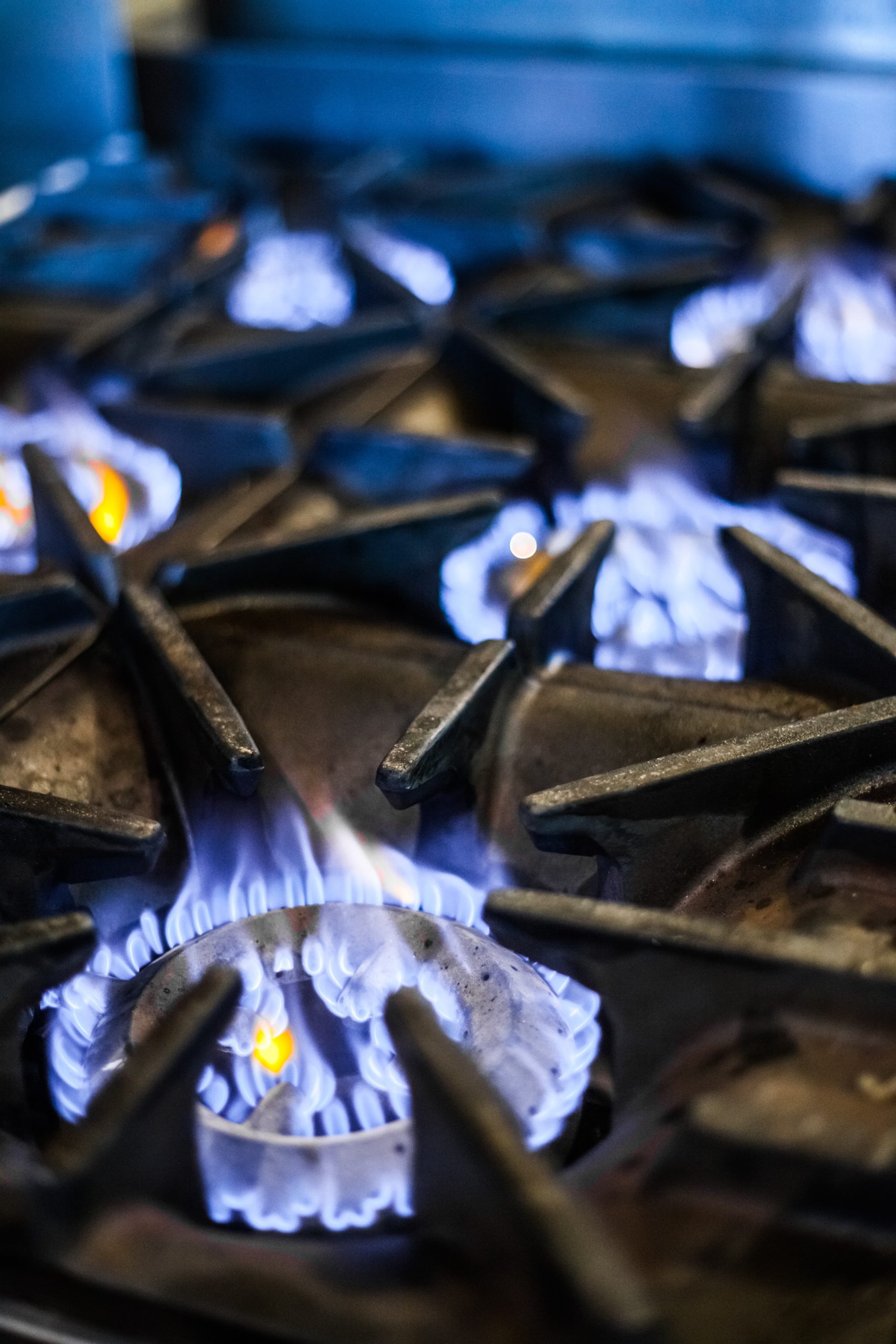
Landlords are legally required to obtain gas safety certificates for their rental properties. These inspections allow tenants to reside in the property with confidence, knowing that it is in compliance with all safety guidelines.
The ACS assessment involves a comprehensive inspection of all gas appliances, fittings and flues within the building. This assessment is carried out by a licensed engineer who is registered with Gas Safe Register.
Landlords
Landlords are legally obligated to have their gas appliances, [empty] flues and equipment tested and certified by a qualified engineer. This is known as a landlord safety inspection or CP12. The CP12 certifies that the appliances and flues can be used by tenants without risk. It also shows if any of them could become unsafe.
The CP12 certificate contains a variety of vital information such as the date of the inspection, the name and Gas Safe Register number of the person who performed the inspection, as well as the names of the appliances that were examined. The certificate also indicates which appliances are at risk and which could require replacement. The engineer will also record any issues discovered during the inspection, for instance gas leaks or evidence of carbon dioxide poisoning.
A non-domestic security certificate (CP 17), also known as a CP 17 in the industry is a legal requirement of any property that makes use of gas for commercial purposes. It confirms that the inspection of gas appliances and installations by an Gas Safe registered Engineer and that they are in compliance with safety standards.
The certificate is required by law for non-domestic establishments, such as hotels and B&Bs as well as commercial establishments that utilize gas appliances, for example, restaurants and offices. The certificate is valid for a period of 12 months and must be renewed each year. Gas safety checks must be conducted before a new resident moves in. Landlords are urged to keep records of previous tests to allow access.
Landlords who own multiple rental units in a building should consider working with a plumbing and HVAC company that can provide complete services. This will allow them to efficiently manage their maintenance requirements and ensure that all of their tenants are safe. This will save them money since they don't have to spend so much on costly repairs and replacements.
Landlords are advised to have their gas appliances and flues checked on a yearly basis, even if they're not legally required to do so. This will help them safeguard themselves from dangerous gas accidents which could lead to serious health issues.
Homeowners
A homeowner who owns a home may require having the property gas safety checked. The inspection should be conducted by a licensed engineer who is registered with the Gas Safe Register. The engineer will inspect the home and [Redirect Only] ensure that all the gas appliances and installations are in good in good working order. He will also look for any possible hazards, such as venting or gas leaks. If he discovers any issues, he'll document it and issue the certificate. The certificate will include the date of the inspection as well as the name and Gas Safe Register number of the engineer, and the specifics of the appliances that were examined.
The Gas Safety Certificate (also known as the Landlord Certificate) is an important legal document which must be issued by an accredited Gas Safe Register emergency gas engineer milton keynes engineer. The document is yellow and black and includes all the required information to validate the inspection. It includes a box that lists the qualifications of the engineer. This can be compared with his ID card. It also has the address of the building and an inventory of all the appliances that were inspected.
The appliance will be marked "Not to Current Standard (NCS)" in the event that it is not up to current standards. The engineer will notify the landlord of any appliances not in compliance with the current standard and recommend what should be done to ensure their safety. In the majority of instances the engineer will suggest to the landlord to replace the appliances with more modern models.
The possession of a valid gas certificate is not just important for homeowners looking to let their property out, but it can also assist them in getting lower insurance rates. In addition the certificate will provide evidence that the home is free of gas appliances that are dangerous, which could be beneficial should the homeowner decide to sell the house in the near future.
Filling out the information required on a site or over the phone will permit a homeowner to be inspected for gas. The information will be checked by a local assessor, who will arrange a property visit. In a matter of hours, a gas safety inspection is completed. The homeowner will receive an official copy of their certificate within two days.
Insurance
Landlords are legally required to have their gas appliances and flues inspected each year by a certified engineer. The inspection must be done before a landlord is able to rent out their property and the landlord has to give the tenants a copy the certificate within 48 hours. Landlords also have the responsibility of getting their appliances serviced regularly to ensure they are in compliance with the requirements of the Gas Safety Certificate. Gas leaks, carbon dioxide poisoning and other accidents can occur when gas appliances aren't maintained properly.
The Gas certificates milton keynes safety certificate (formerly known as CP12) is an official document which certifies the safety and efficiency of gas appliances within the home. It is issued only by a gas safe registered engineer. It is a proof that the appliance or flue has been inspected, found to be safe, and is up to date. The CP12 contains important information regarding the gas safety inspection, including the date and details of the engineer. It also contains the address of the property and a list of all gas appliances that were tested.
To avoid fines and any other repercussions, it's essential that property owners renew their CP12s each year. It is also recommended to get insurance that includes gas safety certificates. This is more affordable than buying individual certificates and it will also save you time and effort.
It's worth getting your appliances regularly checked, even if you don't require an Gas Safety Certificate. It will help safeguard them from potentially dangerous gas leaks and deadly carbon monoxide poisoning as well as helping to reduce the cost of energy. A boiler that is serviced annually can help keep it running efficiently and reduce breakdowns.
Having a valid Gas Safety Certificate is also useful if you are planning to sell your property in the near future. Potential buyers will want to know that all gas appliances are up-to-date and have been serviced, so having a CP12 is a good method to demonstrate this. It will also reassure prospective buyers that the property is safe and in good condition.
Conveyancing
Gas is a typical source of energy for homes. Gas is used to heat homes, supply hot water, and cook. However, it has some grave dangers, like explosions and emission of harmful gases such as carbon monoxide. This is why it is essential to take safety precautions to protect your family and your home from the dangers. One of them is having your home inspected for gas safety by a qualified engineer.
This inspection will give you an gas safety inspection milton keynes Safety Certificate (also known as CP12). Landlords have their properties examined by a licensed engineer each year to ensure they comply with the standards set forth by the government. This will help reduce the risk of gas accidents and injuries.
Landlords must maintain and maintain all gas appliances, boilers and flues on their property. They must keep a valid CP12 in their safe custody. They can then show it to their tenants at any time. Landlords can also be held responsible for any injuries or accidents caused by unsafe gas appliances or installations.
A CP12 document is a certificate of safety and efficiency of gas appliances and flues owned and operated by a landlord. It also outlines the repairs that must be made. This document is required by the UK's Gas Safety (Installation and Use) Regulations. The document is valid for a period of 12 months and must be renewed.
Using a CP12 can be an excellent way to draw new customers and to promote your business. This document proves that you are a legitimate gas installer and you are committed to the safety of your customers. This document allows you to benefit from the tax incentives offered by the UK’s green milton keynes gas engineers incentive scheme.
Contrary to traditional paper-based documents digital certificates are simple to create and transmit. Moreover they can be saved on multiple devices and are less prone to loss or theft. This makes them an excellent choice for homeowners and landlords alike. Paper documents are becoming increasingly replaced by digital versions as technology improves. Paper documents are difficult to store and transport. Digital gas safety certificates, on the other hand are able to be stored in a variety of ways and are highly secure.댓글목록
등록된 댓글이 없습니다.