
How The 10 Worst Buy Eu Driving License Failures Of All Time Could Hav…
페이지 정보
본문
Buy EU Driving License Experiences
The standard format EU driving licence - a plastic, credit card-sized photo card that comes with security features and in circulation since 2013 - is recognized across the EU. However, there are some conditions you need to meet in order to be eligible for one.
You must reside in the country where you have your driving license or go there regularly.
1. Passing the test
As long as you possess a valid driver's licence from your home country, you are able to drive within the EU. If you are planning to drive frequently abroad, it's a good idea for you to get an International Driving Licence.
The IDL is valid for a single year and costs about $20. It converts your driving license into a variety of languages, so that road officials are able to understand it. It also includes health information, including any illnesses or conditions that could affect your ability drive safely. It is crucial to carry your IDL with you when driving in the country of your choice.
Before you can take the European driver's test, you must pass the driving and written tests. You must also pass a medical exam and prove your fitness to drive. In some instances you might also need to pass a drug and alcohol test.
The success rates for driving tests vary widely. According to Lookers, a car retailer in the UK, over 50 million people have passed the test. But the first-time pass rate is still around 49%. It is important to prepare for your test, and that includes practice on test routes.
It is essential to practice with a professional driver to pass the test. Many companies offer driving lessons and provide you with a vehicle to take the test in. It's important to select an instructor who is qualified and has experience in teaching new drivers.
Research the driving rules in the country in which you'll be taking the test in. Certain countries, like France have specific rules for driving that you need to know before you take the test. For instance, you have to wear a seatbelt if you are in the front passenger's seat.
In addition to examining the rules of the road, you should also learn about driving techniques within the EU. For instance, you must familiarise yourself with the three-point turn and reversing around a turn. You should also practice parking in a garage and following directions from your satellite navigation.
2. Driving in the country of another
It is essential to be aware of the local rules and führerschein kaufen Legal regulations for driving when driving in a foreign country. Different countries have different road signs, rules and speed limits. To avoid führerschein legal kaufen issues and ensure your safety, it is essential to be aware of the differences prior to driving the country of your choice. Consult a local prior to you drive if you are unsure of the rules.
In the EU there are a variety of driving licenses. Certain driving licences are plastic with a microchip or special security features. Others are paper licences that require renewal every 10 to 15 years. Certain countries also require drivers to take medical tests before they can get their licences.
You can use your personal driving licence in the EU when it is valid in the country of residence. To be considered permanent residents you must be in the country at least 185 consecutive days per year due to personal or professional connections. This is not the case if you live abroad to study.
Other countries in the EU require that you have an International Driver's License (IDL) to be able to drive on their roads. The document is issued by the government of your home country. It contains a translation from your driving license into the language of the country in which you plan to drive. Certain countries also require that you take a written and road test before you are able to be issued an IDL.
The rules of driving in a foreign country differ widely, which is why it is important to research the driving rules of each country prior to you arrive. It is recommended to be aware of the road signs and signals in your country of choice as they may differ from your own. Additionally, many countries drive on the other side of the road from their own, and it is essential to master the proper driving etiquette.
For instance In the UK you have to drive on the right side of the road, while in France you must drive on the left. In addition there are numerous European countries have different rules about crossing other vehicles and roads. To ensure your safety it is recommended to practice your driving skills in an auto park or similar place before driving in the streets of an unfamiliar country.
3. Driving in a different car
While driving in Europe can be a thrilling experience, it's crucial to be aware of the rules before you even get behind the steering wheel. Whatever your experience, whether you're a seasoned driver or a newbie, there are a number of rules you must adhere to when driving safely. It's also important to know the distinctions between driving in the US and Europe. This will help you avoid unintended consequences.
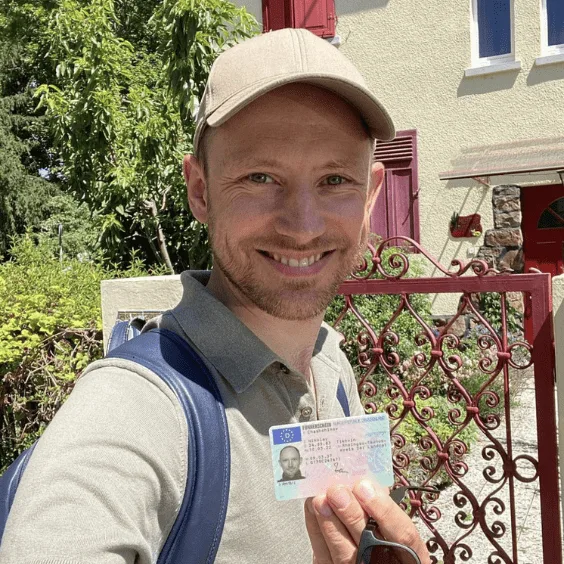 In most countries, a driver must be 18 years or older to obtain a license. Some have mandatory training hours and rigorous theory exams, while others have graduated licensing programs that permit drivers to gain experience gradually. These systems can make roads safer for all drivers and ensure that new drivers are ready for different traffic conditions.
In addition to the age and safety requirements, some countries require a medical examination before issuing a driver's licence. This is particularly true for lorry or bus drivers, who must be in good health to operate their vehicles. These tests can be costly and time-consuming, but they are important to ensure that drivers are safe on the road.
For EU citizens it is generally possible to drive in another country with a valid driver's licence from their home country. Non-EU citizens may require an International Driving Licence in order to drive in certain countries.
The EU driving license is a single credit card-like document, which contains an image and details about the holder. It has special security features and is accessible to all EU countries in 2013. It replaced 110 different plastic and papers licence models that were in use at the time within the EEA. The licence will also include an area where EEA member states can include notes essential to administering the licence or related to road security.
4. Driving in another city
If you're a citizen of the EU that is, you will not have to take a second driving test if you move to another city. However you must be at minimum 18 years old and possess an active driver's license in order in order to do this. Additionally, you must pass a medical exam to determine if you're fit to drive. Some countries require drivers to take driving lessons before they are able to take the road test.
The driving tests in Europe are more difficult than those in the United States. European testing agencies, for instance they require that drivers undergo mandatory training and pass an written test in theory. They also offer a standardized practical driving exam. These requirements ensure that drivers are well-prepared for kann man den führerschein kaufen führerschein kaufen ohne prüfung deutschland (check this site out) a variety of traffic situations and are more secure on the roads.
Additionally, some European countries have graduated licensing programs that allow novice drivers to gain experience before gaining full driving rights. This program can reduce the risk of accidents and increase safety for both new drivers and those with experience. In the United States, most states have similar graduated licensing programs, however they are more difficult to obtain because of the requirement to meet minimum age and experience requirements.
For US citizens who wish to drive in Europe, it's best to obtain an international driving license before traveling to another country. It is important to research the laws of each country prior to driving. Certain EU countries will not accept the US driver's license. Certain European countries will only allow driving on an international license for a period of 90 days.
The EU's single European driving licence was introduced in 2006, replacing 110 different models of driving licences. The new licence is a credit-card-style document with special security features. It is valid across all 27 EU member states and the EFTA countries of Iceland, Liechtenstein, and Norway. It also comes with an embedded microchip that contains details about the holder of the licence which is crucial in case of fraud. The licence is issued by the member state of regular residence or in the country where the person has work or personal connections.
The standard format EU driving licence - a plastic, credit card-sized photo card that comes with security features and in circulation since 2013 - is recognized across the EU. However, there are some conditions you need to meet in order to be eligible for one.
You must reside in the country where you have your driving license or go there regularly.
1. Passing the test
As long as you possess a valid driver's licence from your home country, you are able to drive within the EU. If you are planning to drive frequently abroad, it's a good idea for you to get an International Driving Licence.
The IDL is valid for a single year and costs about $20. It converts your driving license into a variety of languages, so that road officials are able to understand it. It also includes health information, including any illnesses or conditions that could affect your ability drive safely. It is crucial to carry your IDL with you when driving in the country of your choice.
Before you can take the European driver's test, you must pass the driving and written tests. You must also pass a medical exam and prove your fitness to drive. In some instances you might also need to pass a drug and alcohol test.
The success rates for driving tests vary widely. According to Lookers, a car retailer in the UK, over 50 million people have passed the test. But the first-time pass rate is still around 49%. It is important to prepare for your test, and that includes practice on test routes.
It is essential to practice with a professional driver to pass the test. Many companies offer driving lessons and provide you with a vehicle to take the test in. It's important to select an instructor who is qualified and has experience in teaching new drivers.
Research the driving rules in the country in which you'll be taking the test in. Certain countries, like France have specific rules for driving that you need to know before you take the test. For instance, you have to wear a seatbelt if you are in the front passenger's seat.
In addition to examining the rules of the road, you should also learn about driving techniques within the EU. For instance, you must familiarise yourself with the three-point turn and reversing around a turn. You should also practice parking in a garage and following directions from your satellite navigation.
2. Driving in the country of another
It is essential to be aware of the local rules and führerschein kaufen Legal regulations for driving when driving in a foreign country. Different countries have different road signs, rules and speed limits. To avoid führerschein legal kaufen issues and ensure your safety, it is essential to be aware of the differences prior to driving the country of your choice. Consult a local prior to you drive if you are unsure of the rules.
In the EU there are a variety of driving licenses. Certain driving licences are plastic with a microchip or special security features. Others are paper licences that require renewal every 10 to 15 years. Certain countries also require drivers to take medical tests before they can get their licences.
You can use your personal driving licence in the EU when it is valid in the country of residence. To be considered permanent residents you must be in the country at least 185 consecutive days per year due to personal or professional connections. This is not the case if you live abroad to study.
Other countries in the EU require that you have an International Driver's License (IDL) to be able to drive on their roads. The document is issued by the government of your home country. It contains a translation from your driving license into the language of the country in which you plan to drive. Certain countries also require that you take a written and road test before you are able to be issued an IDL.
The rules of driving in a foreign country differ widely, which is why it is important to research the driving rules of each country prior to you arrive. It is recommended to be aware of the road signs and signals in your country of choice as they may differ from your own. Additionally, many countries drive on the other side of the road from their own, and it is essential to master the proper driving etiquette.
For instance In the UK you have to drive on the right side of the road, while in France you must drive on the left. In addition there are numerous European countries have different rules about crossing other vehicles and roads. To ensure your safety it is recommended to practice your driving skills in an auto park or similar place before driving in the streets of an unfamiliar country.
3. Driving in a different car
While driving in Europe can be a thrilling experience, it's crucial to be aware of the rules before you even get behind the steering wheel. Whatever your experience, whether you're a seasoned driver or a newbie, there are a number of rules you must adhere to when driving safely. It's also important to know the distinctions between driving in the US and Europe. This will help you avoid unintended consequences.
In most countries, a driver must be 18 years or older to obtain a license. Some have mandatory training hours and rigorous theory exams, while others have graduated licensing programs that permit drivers to gain experience gradually. These systems can make roads safer for all drivers and ensure that new drivers are ready for different traffic conditions.In addition to the age and safety requirements, some countries require a medical examination before issuing a driver's licence. This is particularly true for lorry or bus drivers, who must be in good health to operate their vehicles. These tests can be costly and time-consuming, but they are important to ensure that drivers are safe on the road.
For EU citizens it is generally possible to drive in another country with a valid driver's licence from their home country. Non-EU citizens may require an International Driving Licence in order to drive in certain countries.
The EU driving license is a single credit card-like document, which contains an image and details about the holder. It has special security features and is accessible to all EU countries in 2013. It replaced 110 different plastic and papers licence models that were in use at the time within the EEA. The licence will also include an area where EEA member states can include notes essential to administering the licence or related to road security.
4. Driving in another city
If you're a citizen of the EU that is, you will not have to take a second driving test if you move to another city. However you must be at minimum 18 years old and possess an active driver's license in order in order to do this. Additionally, you must pass a medical exam to determine if you're fit to drive. Some countries require drivers to take driving lessons before they are able to take the road test.
The driving tests in Europe are more difficult than those in the United States. European testing agencies, for instance they require that drivers undergo mandatory training and pass an written test in theory. They also offer a standardized practical driving exam. These requirements ensure that drivers are well-prepared for kann man den führerschein kaufen führerschein kaufen ohne prüfung deutschland (check this site out) a variety of traffic situations and are more secure on the roads.
Additionally, some European countries have graduated licensing programs that allow novice drivers to gain experience before gaining full driving rights. This program can reduce the risk of accidents and increase safety for both new drivers and those with experience. In the United States, most states have similar graduated licensing programs, however they are more difficult to obtain because of the requirement to meet minimum age and experience requirements.
For US citizens who wish to drive in Europe, it's best to obtain an international driving license before traveling to another country. It is important to research the laws of each country prior to driving. Certain EU countries will not accept the US driver's license. Certain European countries will only allow driving on an international license for a period of 90 days.
The EU's single European driving licence was introduced in 2006, replacing 110 different models of driving licences. The new licence is a credit-card-style document with special security features. It is valid across all 27 EU member states and the EFTA countries of Iceland, Liechtenstein, and Norway. It also comes with an embedded microchip that contains details about the holder of the licence which is crucial in case of fraud. The licence is issued by the member state of regular residence or in the country where the person has work or personal connections.
- 이전글Hawaiian Luau Theme Party 101 25.03.03
- 다음글10 Inspirational Images Of Macaw Cage 25.03.03
댓글목록
등록된 댓글이 없습니다.