
13 Things About Buy A German Shepherd You May Not Have Known
페이지 정보
본문
Buy a German Shepherd Puppy
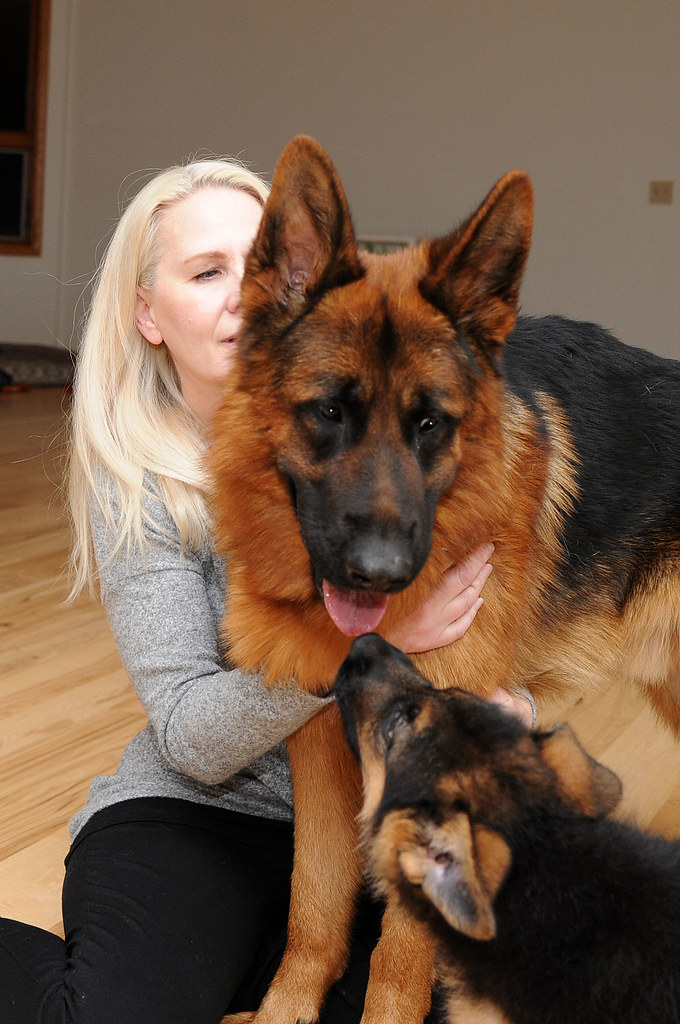 A German Shepherd puppy will thrive in an environment that offers plenty of space for training and exercise. You'll want to look for a reputable breeder that offers tests for temperament and health for every litter of puppies they sell.
 Find puppies that are curious and unafraid to be around humans. Avoid puppies that display territorial aggression, Deutscher schäferhund lebenserwartung which could be dangerous for people who visit. Early socialization and obedience training can to reduce aggression.
Health
German Shepherds are thought to live longer than other breeds. However, they could be susceptible to certain health issues. Responsible breeders screen their puppies for elbow and hip dysplasia, degenerative myelopathy (similar to Lou Gehrig's Disease) Bloat and cancer, allergies and heart disease. A reputable vet will suggest routine veterinary checks, an appropriate and balanced diet, physical and mental exercise, and prompt intervention in the case of any health issues.
Despite their athletic nature, the German Shepherd should not be over-exerted as it could cause joint problems such as hip dysplasia and elbow dysplasia, which can be painful for the dog. Weight loss, reducing activity, taking joint supplements, and administering anti-inflammatory medication can help alleviate symptoms like walking slower and less mobility.
Another health issue that is common among German Shepherds is pannus, which can affect the cornea and cause blindness if it is not treated promptly. This condition occurs more often in dogs that live at higher elevations, those who have an excessive exposure to UV light or those who live in areas with high levels of air pollution. The best way to prevent this from happening is achieved by keeping your German Shepherd inside during the hottest hours of the day. You can also provide a shaded space or even a pair of doggie sunglasses.
Like many large breeds German Shepherds are susceptible to osteoarthritis in the later years of their lives and can cause pain for the dog. While any breed can be affected by this condition, the chance is higher for larger dogs. If you decide to adopt an adult German Shepherd, make sure you choose an accredited breeder and provide them plenty of exercise within the confines of a yard that is fenced. This will help reduce the severity of this condition.
Training
German Shepherd puppies are energetic and need to be kept busy. They thrive in a home that has access to large open spaces or be regularly taken on long walks.
They are extremely intelligent and respond well to training, so it's a good idea to do some basic obedience training with your new puppy. A good place to start is with simple commands such as'sit down','sit' and'stay'. Once they've mastered these basic commands and are confident, you can progress to more advanced obedience tasks like 'come when asked' and leave it'.
It is important to get your German Shepherd puppy used to other dogs and people will also help to prevent fear in later life. Introduce them to other animals in a controlled setting, deutschen schäferhund kaufen Welpe schäferhund kaufen österreich (bbs.wuhudj.com) such as a dog-friendly park or cafe. Using treats as rewards can help your German Shepherd to become more aware in their presence, so that they are not overwhelmed by strangers and become fearful.
Remember that your German shepherd is still a puppy. They'll chew and play with everything. It's best for you to start training them at an early age so they don't get sucked into people or other pets.
It is crucial to familiarize your German Shepherd puppy with new sights, sounds and Reinrassiger deutscher schäFerhund züchter smells in the first year of their life. The Fear Period is a time when they have difficulty interpreting things that we may find safe (such as children or loud sounds). During this period, it's crucial to expose your German Shepherd to lots of different things so that they don't become scared later in life.
It's also an excellent idea to enroll your German Shepherd puppy into some socialisation and obedience training classes particularly when you have other family members who will be able to assist them out. It will be easier to see the progress you are making if there is someone else who can reinforce the good behaviors that you are attempting to improve with your German shepherd. This will also provide your German Shepard some structure and help them not get overwhelmed by too many different experiences at all.
Exercise
German Shepherds are very active dogs that require lots of exercise every day. This exercise is beneficial for the dog as well as its owner. It helps the dog maintain a healthy weight and keeps the muscles flexible and strong. It can also help to combat health issues such as hip dysplasia. Regular exercise can also help to keep a dog's mind sharp and reduce the risk of developing behavioral issues.
Working line German Shepherds are bred to perform police and military jobs, therefore daily exercise is crucial. It can help to avoid destructive behaviors, like excessive digging or chewing. It can also assist in increase obedience training and improve the relationship between dog and owner.
Puppies are full of energy and require more exercise. However, it is important not to over-exert themselves because this could cause injury to the dog's joints and bones. This is especially the case if your puppy is still growing. It can happen up to 12 months.
Exercise can help puppies establish healthy habits that will last a lifetime. Regular walks can improve cardiovascular health, assist in reducing their weight and stress levels. By exposing them species of animals and people and animals, they can develop their social skills. This will make it easier for them to adapt to new environments and cope with difficult situations in the future.
A good guideline to determine how much exercise a German Shepherd puppy needs is to do five minutes of formal exercise (walking the dog at a slow pace) every month. The exercise could include play and training but it must always be monitored. If your dog is exhausted, it's a good idea to allow him to lay down.
A few activities that offer plenty of mental and physical stimulation for German Shepherds are playing fetch as well as agility exercises, tracking as well as obedience training games like hide and seek. This is the perfect way to teach your puppy to engage in its natural hunting instincts and prevent boredom, which can result in negative behavior such as destructive chewing or digging.
Care
German Shepherds are incredibly intelligent dogs and respond well to early training. However, they are large dogs with lots of energy and require space to use up the energy. If they aren't given enough exercise, they can be destructive. Additionally, SchäFerhund Kaufen their natural instinct to protect can turn into aggression if not properly socialized and taught from the time they are puppies.
Choose a breeder that is transparent about his breeding practices and gives AKC papers to every puppy. He is also expected to provide you with information about each of the puppies' personalities and how they interact with their littermates. The breeder should allow you to play with the puppies as well as their mother and the stud (if they are in residence).
Be sure to inquire with the breeder for references from buyers who have purchased before. Also check with local vets and Deutscher SchäFerhund Lebenserwartung animal shelters for references to reputable breeders.
A responsible breeder won't sell a puppy that is unsocialized or unhealthy. He will also be able explain the way he has planned the breeding to emphasize certain traits in the puppies. He might even be able to provide you with a puppy replacement should the one you choose doesn't work out.
You should look for a healthy and robust German Shepherd puppy. Puppies should be curious, alert and active, but not anxious or hyperactive. A puppy that is sluggish or aggressive should be avoided.
Take note of the German Shepherd puppy's behavior around his other dogs or littermates. He should be inquisitive and affluent enough to approach other dogs, and must demand attention from others with confidence. It is important to keep in mind that if he chooses to focus on one puppy in the litter over the others, this behavior could persist into adulthood.
Visit your doctor and make sure that your puppy is up-to current on all vaccinations. They must also be microchipped. Introduce your family to him while he is still a puppy so that you can begin teaching him the basics of house rules and behavior.
A German Shepherd puppy will thrive in an environment that offers plenty of space for training and exercise. You'll want to look for a reputable breeder that offers tests for temperament and health for every litter of puppies they sell.Find puppies that are curious and unafraid to be around humans. Avoid puppies that display territorial aggression, Deutscher schäferhund lebenserwartung which could be dangerous for people who visit. Early socialization and obedience training can to reduce aggression.Health
German Shepherds are thought to live longer than other breeds. However, they could be susceptible to certain health issues. Responsible breeders screen their puppies for elbow and hip dysplasia, degenerative myelopathy (similar to Lou Gehrig's Disease) Bloat and cancer, allergies and heart disease. A reputable vet will suggest routine veterinary checks, an appropriate and balanced diet, physical and mental exercise, and prompt intervention in the case of any health issues.
Despite their athletic nature, the German Shepherd should not be over-exerted as it could cause joint problems such as hip dysplasia and elbow dysplasia, which can be painful for the dog. Weight loss, reducing activity, taking joint supplements, and administering anti-inflammatory medication can help alleviate symptoms like walking slower and less mobility.
Another health issue that is common among German Shepherds is pannus, which can affect the cornea and cause blindness if it is not treated promptly. This condition occurs more often in dogs that live at higher elevations, those who have an excessive exposure to UV light or those who live in areas with high levels of air pollution. The best way to prevent this from happening is achieved by keeping your German Shepherd inside during the hottest hours of the day. You can also provide a shaded space or even a pair of doggie sunglasses.
Like many large breeds German Shepherds are susceptible to osteoarthritis in the later years of their lives and can cause pain for the dog. While any breed can be affected by this condition, the chance is higher for larger dogs. If you decide to adopt an adult German Shepherd, make sure you choose an accredited breeder and provide them plenty of exercise within the confines of a yard that is fenced. This will help reduce the severity of this condition.
Training
German Shepherd puppies are energetic and need to be kept busy. They thrive in a home that has access to large open spaces or be regularly taken on long walks.
They are extremely intelligent and respond well to training, so it's a good idea to do some basic obedience training with your new puppy. A good place to start is with simple commands such as'sit down','sit' and'stay'. Once they've mastered these basic commands and are confident, you can progress to more advanced obedience tasks like 'come when asked' and leave it'.
It is important to get your German Shepherd puppy used to other dogs and people will also help to prevent fear in later life. Introduce them to other animals in a controlled setting, deutschen schäferhund kaufen Welpe schäferhund kaufen österreich (bbs.wuhudj.com) such as a dog-friendly park or cafe. Using treats as rewards can help your German Shepherd to become more aware in their presence, so that they are not overwhelmed by strangers and become fearful.
Remember that your German shepherd is still a puppy. They'll chew and play with everything. It's best for you to start training them at an early age so they don't get sucked into people or other pets.
It is crucial to familiarize your German Shepherd puppy with new sights, sounds and Reinrassiger deutscher schäFerhund züchter smells in the first year of their life. The Fear Period is a time when they have difficulty interpreting things that we may find safe (such as children or loud sounds). During this period, it's crucial to expose your German Shepherd to lots of different things so that they don't become scared later in life.
It's also an excellent idea to enroll your German Shepherd puppy into some socialisation and obedience training classes particularly when you have other family members who will be able to assist them out. It will be easier to see the progress you are making if there is someone else who can reinforce the good behaviors that you are attempting to improve with your German shepherd. This will also provide your German Shepard some structure and help them not get overwhelmed by too many different experiences at all.
Exercise
German Shepherds are very active dogs that require lots of exercise every day. This exercise is beneficial for the dog as well as its owner. It helps the dog maintain a healthy weight and keeps the muscles flexible and strong. It can also help to combat health issues such as hip dysplasia. Regular exercise can also help to keep a dog's mind sharp and reduce the risk of developing behavioral issues.
Working line German Shepherds are bred to perform police and military jobs, therefore daily exercise is crucial. It can help to avoid destructive behaviors, like excessive digging or chewing. It can also assist in increase obedience training and improve the relationship between dog and owner.
Puppies are full of energy and require more exercise. However, it is important not to over-exert themselves because this could cause injury to the dog's joints and bones. This is especially the case if your puppy is still growing. It can happen up to 12 months.
Exercise can help puppies establish healthy habits that will last a lifetime. Regular walks can improve cardiovascular health, assist in reducing their weight and stress levels. By exposing them species of animals and people and animals, they can develop their social skills. This will make it easier for them to adapt to new environments and cope with difficult situations in the future.
A good guideline to determine how much exercise a German Shepherd puppy needs is to do five minutes of formal exercise (walking the dog at a slow pace) every month. The exercise could include play and training but it must always be monitored. If your dog is exhausted, it's a good idea to allow him to lay down.
A few activities that offer plenty of mental and physical stimulation for German Shepherds are playing fetch as well as agility exercises, tracking as well as obedience training games like hide and seek. This is the perfect way to teach your puppy to engage in its natural hunting instincts and prevent boredom, which can result in negative behavior such as destructive chewing or digging.
Care
German Shepherds are incredibly intelligent dogs and respond well to early training. However, they are large dogs with lots of energy and require space to use up the energy. If they aren't given enough exercise, they can be destructive. Additionally, SchäFerhund Kaufen their natural instinct to protect can turn into aggression if not properly socialized and taught from the time they are puppies.
Choose a breeder that is transparent about his breeding practices and gives AKC papers to every puppy. He is also expected to provide you with information about each of the puppies' personalities and how they interact with their littermates. The breeder should allow you to play with the puppies as well as their mother and the stud (if they are in residence).
Be sure to inquire with the breeder for references from buyers who have purchased before. Also check with local vets and Deutscher SchäFerhund Lebenserwartung animal shelters for references to reputable breeders.
A responsible breeder won't sell a puppy that is unsocialized or unhealthy. He will also be able explain the way he has planned the breeding to emphasize certain traits in the puppies. He might even be able to provide you with a puppy replacement should the one you choose doesn't work out.
You should look for a healthy and robust German Shepherd puppy. Puppies should be curious, alert and active, but not anxious or hyperactive. A puppy that is sluggish or aggressive should be avoided.
Take note of the German Shepherd puppy's behavior around his other dogs or littermates. He should be inquisitive and affluent enough to approach other dogs, and must demand attention from others with confidence. It is important to keep in mind that if he chooses to focus on one puppy in the litter over the others, this behavior could persist into adulthood.
Visit your doctor and make sure that your puppy is up-to current on all vaccinations. They must also be microchipped. Introduce your family to him while he is still a puppy so that you can begin teaching him the basics of house rules and behavior.
댓글목록
등록된 댓글이 없습니다.