
5 Must-Know Practices For 20ft Shipping Crate In 2024
페이지 정보
본문
 The Versatility and Importance of the 20ft Shipping Container in Global Trade
In the detailed system of international trade, the 20 foot container-foot shipping container, typically described as a 20ft container or TEU (Twenty-foot Equivalent Unit), plays a pivotal function. This standardized steel box has actually reinvented the logistics and shipping market, making global trade more effective, cost-efficient, and accessible. This short article digs into the history, style, utilizes, and economic effect of the 20ft shipping container, providing an extensive overview of its significance in the modern world.
History and Evolution
The principle of containerization go back to the 1950s when American entrepreneur Malcolm McLean introduced the very first standardized shipping containers. The 20ft container, in particular, was one of the earliest and most extensively embraced sizes. Its standardization enabled the smooth integration of containers with different modes of transport, consisting of ships, trucks, and trains, reducing dealing with costs and enhancing turn-around times.
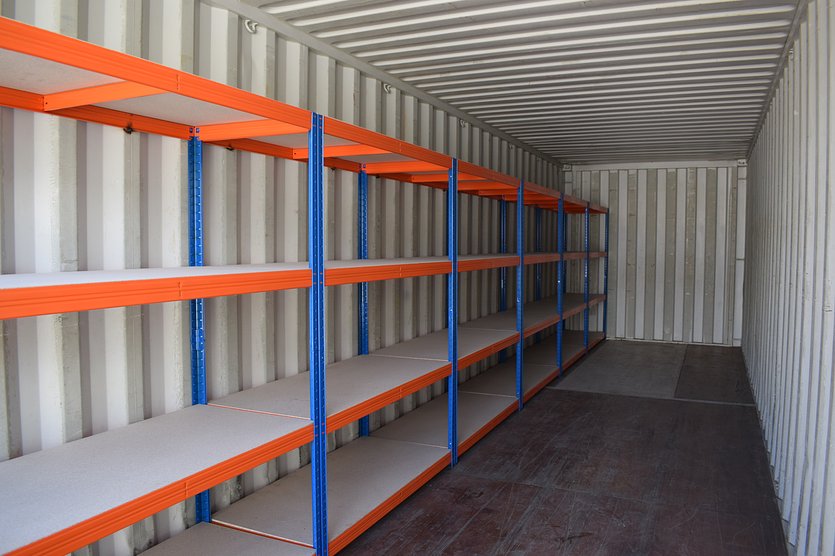 Over the decades, the 20ft shipping container has developed from a simple steel box into an advanced piece of equipment. Today, it is used for a wide variety of purposes, from carrying products to serving as short-term storage units and even mobile workplaces and homes.
Style and Specifications
The 20ft shipping container is a robust, rectangular structure normally made from Corten steel, which is resistant to rust. Its dimensions are standardized internationally, measuring 20 feet (6.1 meters) in length, 8 feet (2.4 meters) in width, and 8 feet 6 inches (2.6 meters) in height, providing a volume of roughly 1,172 cubic feet (33.2 cubic meters).
Key requirements consist of:
Material: High-quality steel with optional materials like aluminum for lighter weight.
Doors: Double sliding doors at one end, designed for simple loading and dumping.
Flooring: Wooden or metal, with load-bearing capabilities to support heavy goods.
Weight: An empty 20ft container weighs around 2,250 kgs (4,960 pounds).
Load Capacity: Can carry up to 20,000 kilograms (44,092 pounds) of cargo.
Kinds Of 20ft Shipping Containers
General Purpose (GP) Containers: The most typical type, developed for a variety of dry items.
Refrigerated Containers (Reefer): Equipped with cooling units to transfer temperature-sensitive products like food and pharmaceuticals.
Open Top Containers: Feature a tarpaulin cover that can be eliminated, allowing for the loading of large and heavy items.
Flat Rack Containers: Ideal for carrying large, bulky items that do not require the security of side walls.
Insulated Containers: Designed to keep a constant temperature for items that are delicate to heat or cold.
Tanked Containers: Used for carrying liquids and gases, often in the form of ISO tanks.
Utilizes in Global Trade
The 20ft shipping container is a cornerstone of global trade, helping with the transport of goods throughout continents. Here are some of its main uses:
Maritime Transport: The most typical application, where containers are filled onto ships and transported across oceans.
Intermodal Transport: Containers can be easily moved between ships, trucks, and trains, making them flexible for multi-leg journeys.
Storage: Both in transit and at destination ports, containers serve as safe and secure storage systems.
Logistics and Distribution: Used in warehousing and warehouse to shop and arrange goods.
Short-term Housing and Offices: Repurposed into mobile homes, workplaces, and even retail spaces.
Catastrophe Relief: Deployed to offer emergency situation shelter and storage for relief supplies.
Economic Impact
The 20ft shipping container has had an extensive influence on the international economy. By standardizing the transportation procedure, it has actually considerably minimized the cost and time connected with moving goods. This performance has led to:
Increased Trade Volumes: Lower shipping costs have actually made it more practical for companies to engage in global trade.
Global Supply Chains: The ability to move items dependably and efficiently has actually enabled the advancement of intricate worldwide supply chains.
Financial Growth: By minimizing barriers to trade, containerization has contributed to economic development in both established and establishing countries.
Job Creation: The shipping and logistics industry has expanded, producing various tasks in ports, warehousing, and transport.
Sustainability and Environmental Considerations
The ecological impact of shipping containers is a subject of increasing concern. While containerization has reduced the total carbon footprint of worldwide trade by enhancing cargo capacity and lowering handling, there are still problems to address:
Recycling and Repurposing: Many retired containers are repurposed into different structures, lowering waste.
Fuel Efficiency: Modern ships created to bring containers are more fuel-efficient, decreasing emissions.
Alternative Fuels: The shipping industry is checking out alternative fuels like LNG (liquefied gas) and hydrogen to further minimize ecological impact.
Frequently Asked Questions About 20ft Shipping Containers
Q1: How much weight can a 20ft shipping container carry?
A 20ft shipping container can carry as much as 20,000 kgs (44,092 pounds) of cargo, in addition to its own weight of around 2,250 kgs (4,960 pounds).
Q2: What are the most common products carried in 20ft containers?
Common items include dry items like electronics, clothes, and household products, along with cooled products like food and pharmaceuticals.
Q3: Can 20ft shipping containers be used 20ft container for domestic purposes?
Yes, 20ft containers are frequently repurposed into mobile homes, workplaces, and even little retail areas. They are economical and can be customized to satisfy numerous requirements.
Q4: What is the average cost of a new 20ft shipping container?
The cost of a new 20ft shipping unit shipping container can differ depending on the producer and market conditions however usually ranges from $2,000 to $4,000.
Q5: How are 20ft containers protected throughout transportation?
Containers are secured utilizing twist locks, which suit the corner castings of the container and lock it in place on the ship or truck. Extra procedures like securing straps and dunnage can be used to avoid movement during transit.
Conclusion
The 20ft shipping container is a symbol of modern international trade, representing efficiency, standardization, and flexibility. From its humble starts to its prevalent usage today, it has changed the logistics and transport market, making it much easier and more cost-efficient to move products around the world. As the market continues to progress, the 20ft container remains a vital component, driving financial development and connection on a global scale.
By comprehending the history, style, and usages of the 20ft shipping container, businesses and people can better appreciate its role in the global economy and its potential for different applications, from standard shipping to ingenious housing services.
댓글목록
등록된 댓글이 없습니다.